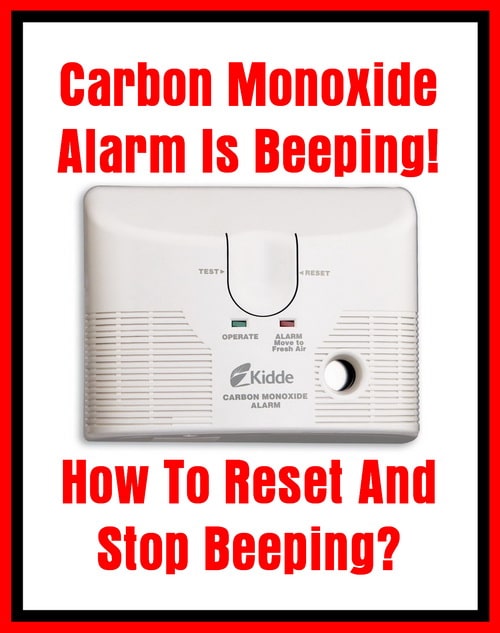
Carbon Monoxide Alarm Won't Stop Beeping

There are few sounds as universally recognized, and often universally cursed, as the insistent beep of an alarm. While a smoke detector’s shriek usually signifies burnt toast (or something more serious), its often-overlooked cousin, the carbon monoxide alarm, works a more subtle, yet equally vital, kind of magic. We don't "enjoy" the alarm itself, of course, but what we truly value is the profound peace of mind it quietly provides, allowing us to sleep soundly knowing an unseen guardian is standing watch.
Think of it as your home's silent sentinel, ever vigilant against an invisible, odorless, and tasteless threat: carbon monoxide (CO). This insidious gas, a byproduct of incomplete combustion from common household appliances like furnaces, gas stoves, water heaters, and fireplaces, can be lethal. Without an alarm, you'd never know it was there until symptoms like headaches, dizziness, nausea, or worse, set in. The CO alarm's purpose is brilliantly simple: to detect this silent killer before it has a chance to harm you or your loved ones, giving you precious time to react and evacuate. It’s a literal lifesaver, a small investment that offers an immeasurable return in safety.
You’ll find these crucial devices safeguarding homes of all shapes and sizes – from cozy apartments and sprawling houses to RVs, cabins, and even boats. They're typically installed on every level of a home, especially near sleeping areas and fuel-burning appliances. Their presence allows us to comfortably enjoy the warmth of a gas fireplace, the convenience of a gas oven, or the hot shower from a gas water heater, without a nagging worry in the back of our minds.
Must Read
But what happens when that reassuring sentinel starts to scream, or worse, just incessantly chirp, leaving you utterly baffled? Dealing with a carbon monoxide alarm that won't stop beeping can be incredibly frustrating, even frightening. To "enjoy" your alarm more effectively – which in this case means understanding and managing its vocalizations – here are some practical tips:

First, listen carefully to the pattern of the beep. This is critical! A carbon monoxide alarm typically has different sounds for different situations:
- A full CO alarm (four loud beeps, pause, four loud beeps) means DANGER! This is NOT a drill. It’s detecting dangerous levels of carbon monoxide. You need to act immediately. Open windows and doors to ventilate, get everyone (including pets) out of the house into fresh air, and then call your local emergency services (911 in the US) or your gas company from outside. Do not re-enter until emergency personnel have confirmed it's safe. Your alarm is doing its job; listen to it!
- A single chirp every 30-60 seconds usually indicates a low battery. This is the most common and annoying culprit! Most alarms use AA, AAA, or 9V batteries. Grab a new set, consult your alarm's manual for replacement instructions, and swap them out. You might need to press and hold a test/reset button afterward.
- Five continuous chirps, or another specific pattern (check your manual!) often signals an end-of-life warning. Carbon monoxide alarms don't last forever; they have a lifespan, typically 5-7 years, after which their sensors degrade. There should be a "replace by" date on the back or side of the unit. If your alarm is chirping this way and its batteries are fresh, it's time to replace the entire unit. Don't delay; an expired alarm is an ineffective alarm.
Beyond identifying the beeps, remember to test your CO alarms monthly using the test button, and gently dust them periodically to prevent buildup that could interfere with the sensor. Never paint over an alarm! By understanding these signals and taking appropriate action, you can turn that baffling beep into a clear call to action, ensuring your silent guardian continues to protect your home effectively, allowing you to return to that cherished peace of mind.