
Carbon Monoxide Alarm Installation Height
/fig 1.png?width=850&name=fig 1.png)
Alright, friend, gather 'round! We're about to dive into something so mundane, so everyday, yet surprisingly... fun. Seriously! We're talking about your Carbon Monoxide (CO) alarm. You know, that little gadget quietly guarding your home? But here's the kicker: we're going to talk about where it goes. Specifically, its height. And trust me, it’s not as boring as it sounds!
Think about it. We all have these silent sentinels, but do we really know their secrets? Most folks pop 'em up, cross their fingers, and hope for the best. But what if I told you there’s a whole quirky science to it? And what if that science busts some major myths you probably believe?
The Great CO Myth: Up, Down, or All Around?
Let's play a game. Quick! Where do you think Carbon Monoxide hangs out? Is it a high-flyer, chilling with the dust bunnies on the ceiling? Or a floor-crawler, snuggled with the pet hair by your baseboards? Most people, and don't feel bad if this is you, instinctively think, "Oh, it's a gas, it rises!" Or maybe, "It's heavy, it sinks!"
Must Read
Spoiler alert: it does neither with any significant preference. Mind blown yet? Mine was!
CO vs. Smoke: Not the Same Party Animals
Here’s where the confusion often kicks in. We’re super familiar with smoke alarms, right? Smoke is visible, often hot, and definitely rises. It's like the obnoxious party guest who immediately floats to the highest point in the room, making a scene. So, naturally, we assume CO, another invisible gas, plays by the same rules.
But nope! Carbon Monoxide is a totally different beast. It's the sneaky ninja of gases. It’s almost the same density as air. Yep, you read that right. Imagine CO as air’s best buddy. They're so similar, they basically mingle and mix like two peas in a pod, evenly throughout the room. No special preference for high or low ground.
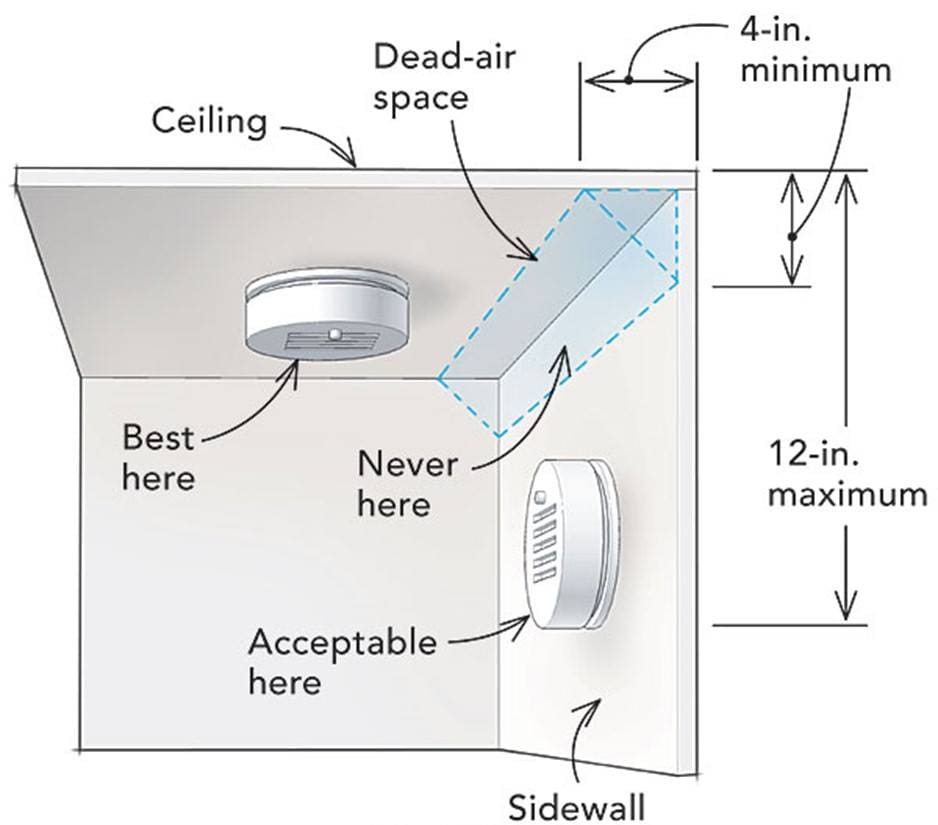
This means all those elaborate theories about CO rising to the ceiling or sinking to the floor? Mostly hogwash! And that, my friend, is a hilariously liberating fact. No need to stand on a ladder with a protractor, measuring the exact molecular travel path!
So, Where Does This Sneaky Gas Hang Out?
Because CO mixes so well with air, it can be found anywhere in a room. Seriously! High, low, middle – it doesn't care. It’s the ultimate chill molecule, just vibing wherever the air takes it. This is why some manufacturers recommend installing alarms at different heights, and others say "anywhere goes!"
But before you toss your alarm up with a blindfold on, let’s talk about some smart, practical placement tips. Because while CO doesn't care, you should!
The Golden Rules of Placement (Beyond Height!)
While the height isn't as rigid as you thought, there are still some key spots where your CO alarm will be most effective. Think of these as its VIP lounges:

- Near Bedrooms: This is a big one! CO is most dangerous when you're asleep because you can't detect its presence. A loud alarm near sleeping areas is non-negotiable. If you can only put one, make it here!
- On Every Level: If your home has multiple floors, you need an alarm on each. CO doesn't respect architectural boundaries. It's not going to politely stay on the first floor.
- Central to Your Home: Think hallways, living areas. Places where you're likely to hear the alarm from multiple rooms.
Avoid These Quirky No-Go Zones!
Just like you wouldn't set up a picnic in a swamp, there are places your CO alarm absolutely hates to be. And these are quite amusing to consider:
Too Close to Fuel-Burning Appliances: Think furnaces, water heaters, gas stoves. You might get nuisance alarms from normal operation, like a quick puff of exhaust. Your alarm isn't broken; it's just a bit overzealous!
In Direct Sunlight or Near Vents: Extreme temperature changes can mess with the sensor's accuracy. Plus, direct airflow from a vent could dilute CO before it reaches the sensor, giving you a false sense of security. It’s like trying to detect a faint smell in a wind tunnel!
Bathrooms and Kitchens: Steam from showers, cooking fumes, humidity – all these can trigger false alarms or even damage the sensor over time. Nobody wants their alarm shrieking because of a steamy risotto!
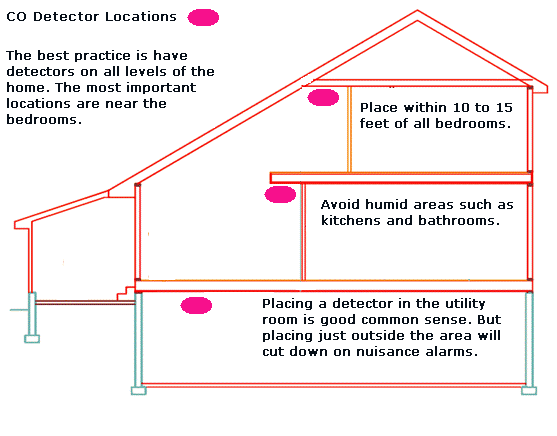
Behind Curtains or Furniture: Obvious one, but worth mentioning! Don't let anything block the sensor. It needs to breathe the air freely. It's not shy; let it be seen!
The Big Reveal: The Height!
So, after all that buildup, what's the verdict on height? Drumroll please...
For most modern CO alarms, the specific height doesn't matter as much as you think!
Many manufacturers will simply say to install them on a wall or ceiling, or anywhere in between. Why? Because, as we learned, CO mixes evenly with air. So, whether it's knee-high, eye-level, or head-banging-the-ceiling-high, the sensor will eventually detect it.
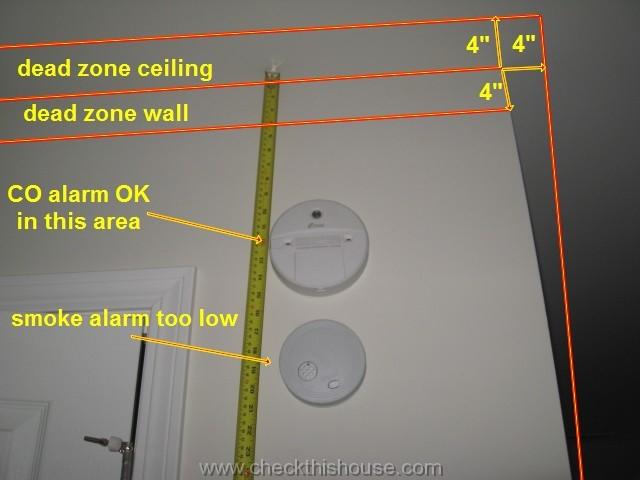
However, there are a few practical considerations:
- Manufacturer's Instructions: Always, always follow the specific instructions that came with your alarm. Some have unique sensor designs or specific recommendations. That little booklet isn't just packing material!
- Audibility: Place it where you can actually hear it if it goes off. You don't want it muffled under a bed or in a dusty attic.
- Protection from Damage: Not so low that it gets kicked, or so high it's ignored during maintenance.
So, the "quirky" truth is, while smoke alarms have very specific height requirements (because smoke does rise!), CO alarms are far more forgiving. It’s a liberation! You can stop worrying about that precise measurement and focus on the really important stuff: placing it where it's effective, audible, and properly maintained.
Test It, Friend!
No matter where you install it, remember to test your CO alarm regularly. That little "test" button isn't just for show. Give it a push monthly, and replace batteries as recommended. It's a simple habit that keeps your home, and you, safe.
See? Who knew Carbon Monoxide alarm placement could be such a wild ride? Now you're not just a homeowner; you're a CO alarm installation HEIGHT EXPERT! Go forth and share your newfound, surprisingly fun knowledge!