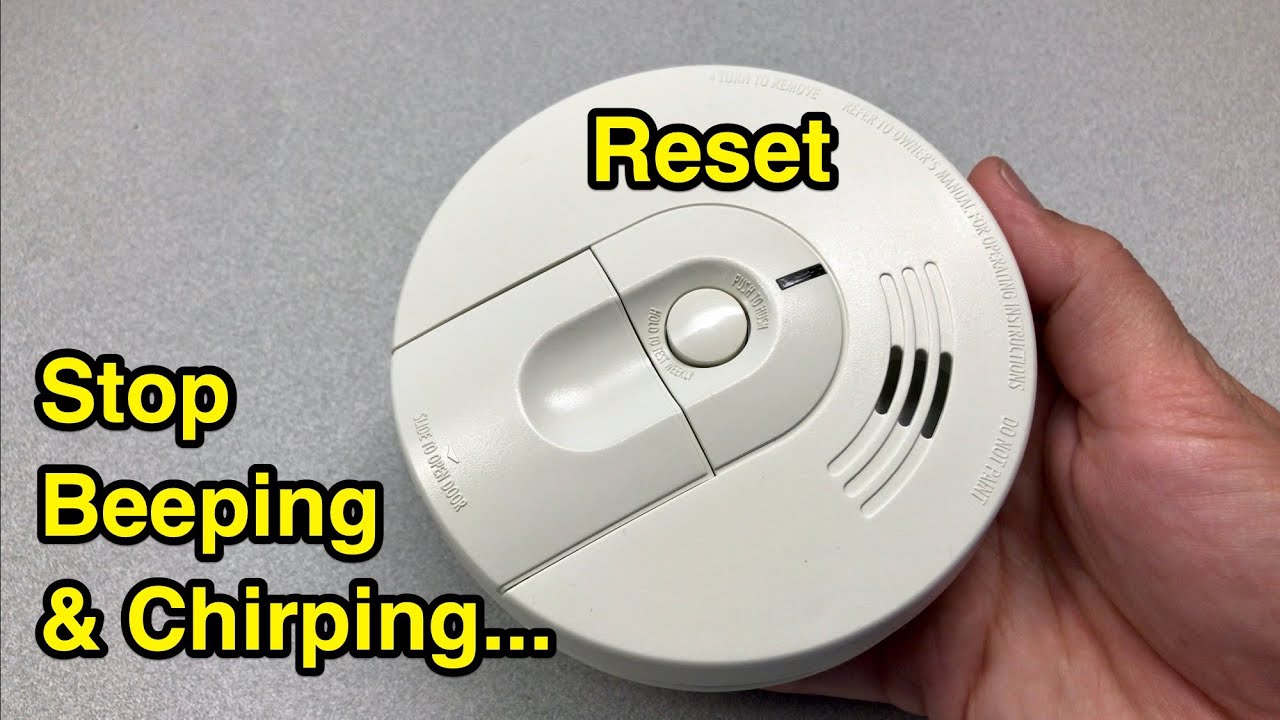
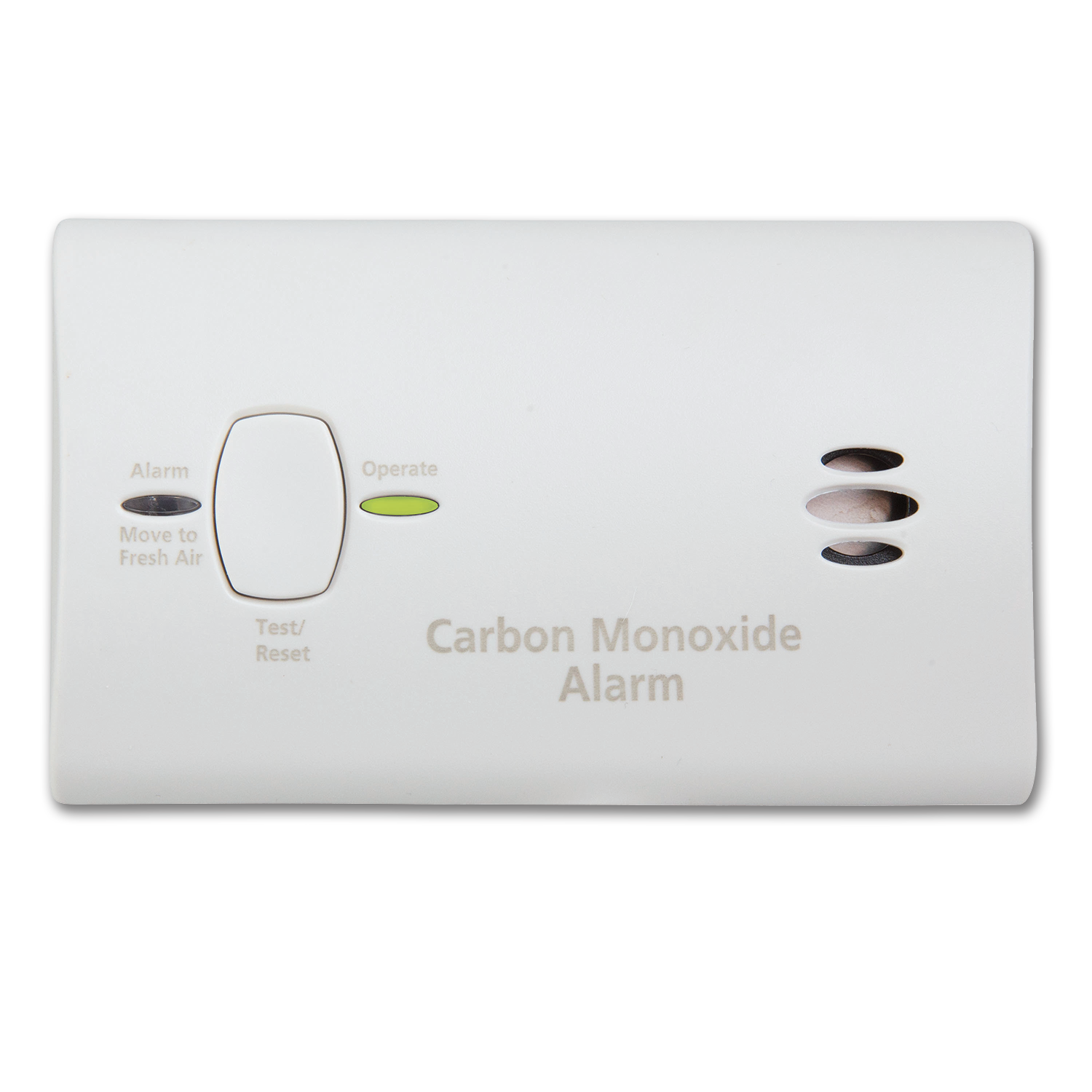
Carbon Monoxide Alarm Beeping Every 30 Seconds
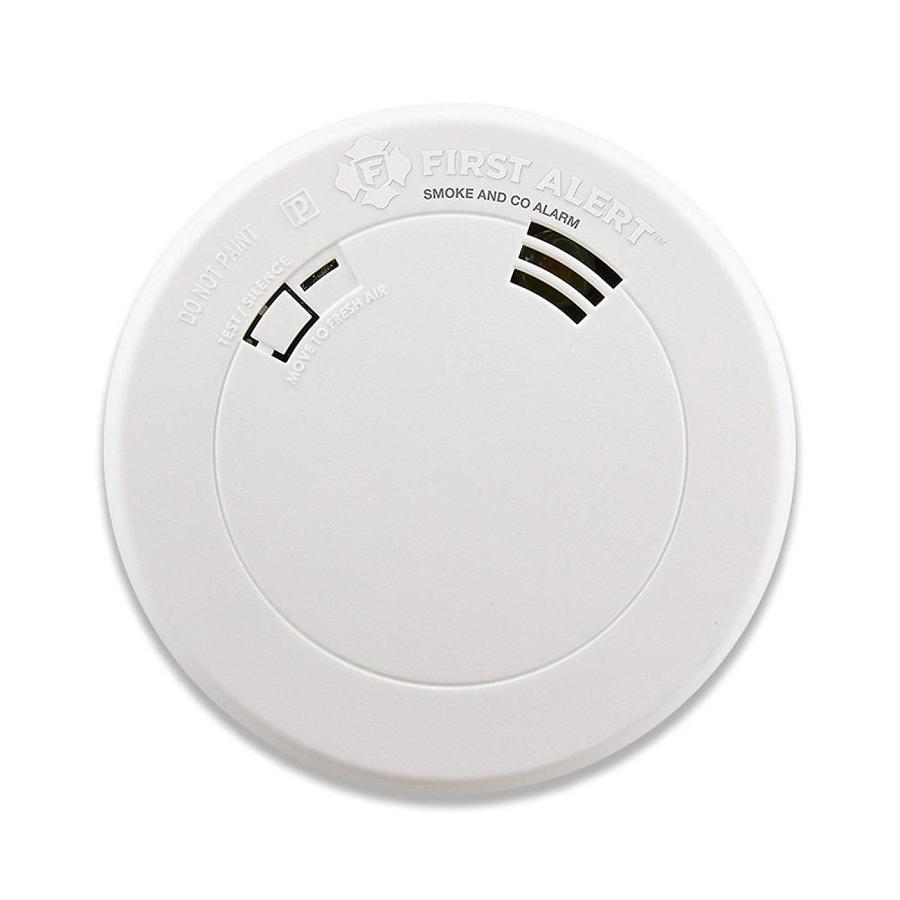
You know the sound. That insistent, almost apologetic chirp that cuts through the quiet of your home, usually at the most inconvenient hour. It’s not the birds. It’s not your phone. It’s that tiny, often overlooked Carbon Monoxide (CO) alarm, beeping every 30 seconds like a persistent, digital cricket. Annoying? Absolutely. But also, in its own way, a tiny domestic superhero doing its job.
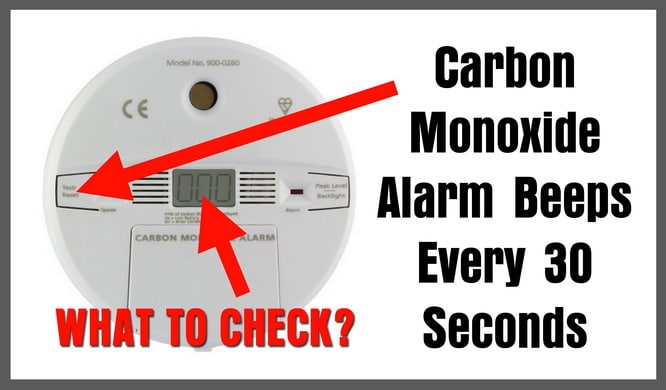
Let's demystify this little household alert. That regular, spaced-out beep every 30 seconds is typically not an emergency CO detection. Phew! Your immediate instinct might be to panic, but generally, this specific cadence is your alarm’s way of saying, "Hey, I need some attention!" It's usually either a low battery warning or an end-of-life signal for the unit itself. Think of it like your car’s low fuel light – a reminder, not a breakdown.
Understanding Your Silent Guardian
Before we dive into fixing the chirp, let's have a quick, friendly chat about CO. Carbon Monoxide is often called the "silent killer" for a reason. It's a truly sneaky gas: colorless, odorless, and tasteless. It’s a byproduct of incomplete combustion from things like furnaces, gas stoves, water heaters, fireplaces, and even car exhaust. It robs your blood of oxygen, and symptoms can mimic the flu – headaches, dizziness, nausea – making it incredibly dangerous if undetected.
Must Read
That's where your CO alarm steps in. It's the only way to detect this invisible threat. So, while that incessant chirping might be driving you up the wall, remember it's ultimately a good thing, even if it's just asking for a new battery.
Deciphering the Chirp: Low Battery vs. End-of-Life
The 30-second interval is key. Here’s what it usually means:
- Low Battery: This is the most common culprit. Just like your phone begging for a charger at 5%, your CO alarm is telling you it’s running out of juice. Most alarms use a 9V or AA batteries.
- End-of-Life: CO alarms don't last forever. Their internal sensors degrade over time. Most units have a lifespan of 5-7 years. The alarm will chirp to let you know it's time for retirement. Imagine a little robot saying, "My time has come!"
It's important to note: a true CO emergency alarm sounds very different. It’s typically a much louder, more frequent, continuous siren – usually three or four loud beeps followed by a pause. That's when you evacuate immediately and call emergency services.
Your Action Plan for the Pesky Chirp
Okay, the chirping has begun. Here's your no-fuss guide to silence it and ensure your home stays safe:
/cdn.vox-cdn.com/uploads/chorus_asset/file/23356188/best_carbon_monoxide_detector_panel.jpg)
- Locate the Culprit: Sometimes, it’s a game of "which one is it?" If you have multiple alarms, try to pinpoint the exact one beeping.
- Battery Swap (The Easiest Fix):
- Gently remove the alarm from its mounting bracket.
- Open the battery compartment (usually a little sliding door or clip).
- Replace the old batteries with fresh ones. Be sure to use the correct type (9V, AA, etc.). Pro tip: Keep a stash of fresh batteries in your "junk drawer" for just this occasion!
- Snap it back into place. Often, a fresh battery will stop the chirp immediately.
- Check the Expiry Date: While the alarm is in your hand, flip it over. Look for a "replace by" or "end of life" date printed on the back or side. If that date has passed, your alarm has served its time. It’s like a carton of milk – it expires!
- Test Button: After replacing batteries or if it's not chirping and you just want to check, press and hold the "Test" button. It should emit a loud alarm, letting you know the unit is working.
- Clean It Up: A quick wipe down can sometimes help. Dust can occasionally interfere with the sensor or sound.
Placement and Maintenance: Your Home's Health Check-Up
Just like you wouldn’t skip your annual check-up, don't neglect your home’s safety features. CO alarms should be installed on every level of your home, especially near sleeping areas. Avoid placing them directly next to fuel-burning appliances or in very humid areas like bathrooms.
Make it a habit to check the "replace by" date annually and to test your alarms monthly. Some savvy folks tie it to daylight saving time changes – "spring forward, test your alarm; fall back, test your alarm."
A Little Perspective
That little beep, as irritating as it can be, is a fantastic example of modern convenience meeting crucial safety. It's a reminder that even in our tech-filled lives, some of the most important warnings come from the simplest devices. It might have woken you up, interrupted your Netflix binge, or just added to your already overflowing to-do list. But in its own persistent way, that Carbon Monoxide alarm is just looking out for you, quietly ensuring that your domestic haven remains a safe and sound sanctuary. So next time it chirps, don't just groan; give it a little nod of appreciation for doing its vital, albeit noisy, job.