Carbon Footprint Of Electric Cars Vs Gas Cars

Okay, let's talk cars! Not just any cars, but the epic showdown between gasoline guzzlers and those sleek, silent electric vehicles (EVs). Which one leaves a bigger footprint on our planet? It's like a reality show where the contestants are transportation, and the prize is a cleaner future. Intriguing, right?
The Gas Car's Story
We all know gas cars. They’ve been around forever! You fill 'em up at the pump, and off you go. But here's the thing: getting that gasoline isn't exactly a walk in the park. It involves drilling, transporting, refining... It's a whole process. And each step releases carbon dioxide, a greenhouse gas that contributes to climate change. It’s like a chain reaction, and the final result is that your car is creating a significant carbon footprint.
Then, there's the exhaust. Every time you hit the accelerator, those engines are working and releasing more of those same emissions into the atmosphere.
Must Read
Electric Cars: Are They the Green Heroes?
Enter the EVs! They don't have tailpipes, which automatically makes them seem cleaner. But hold on! The story isn't quite that simple. EVs run on electricity, and where that electricity comes from matters. If your electricity comes from a coal-fired power plant, well, the EV isn't so squeaky clean anymore.
Think of it like this: your EV is powered by a giant extension cord plugged into... something. The carbon footprint of that "something" affects the overall footprint of your car.
The Nitty-Gritty Comparison
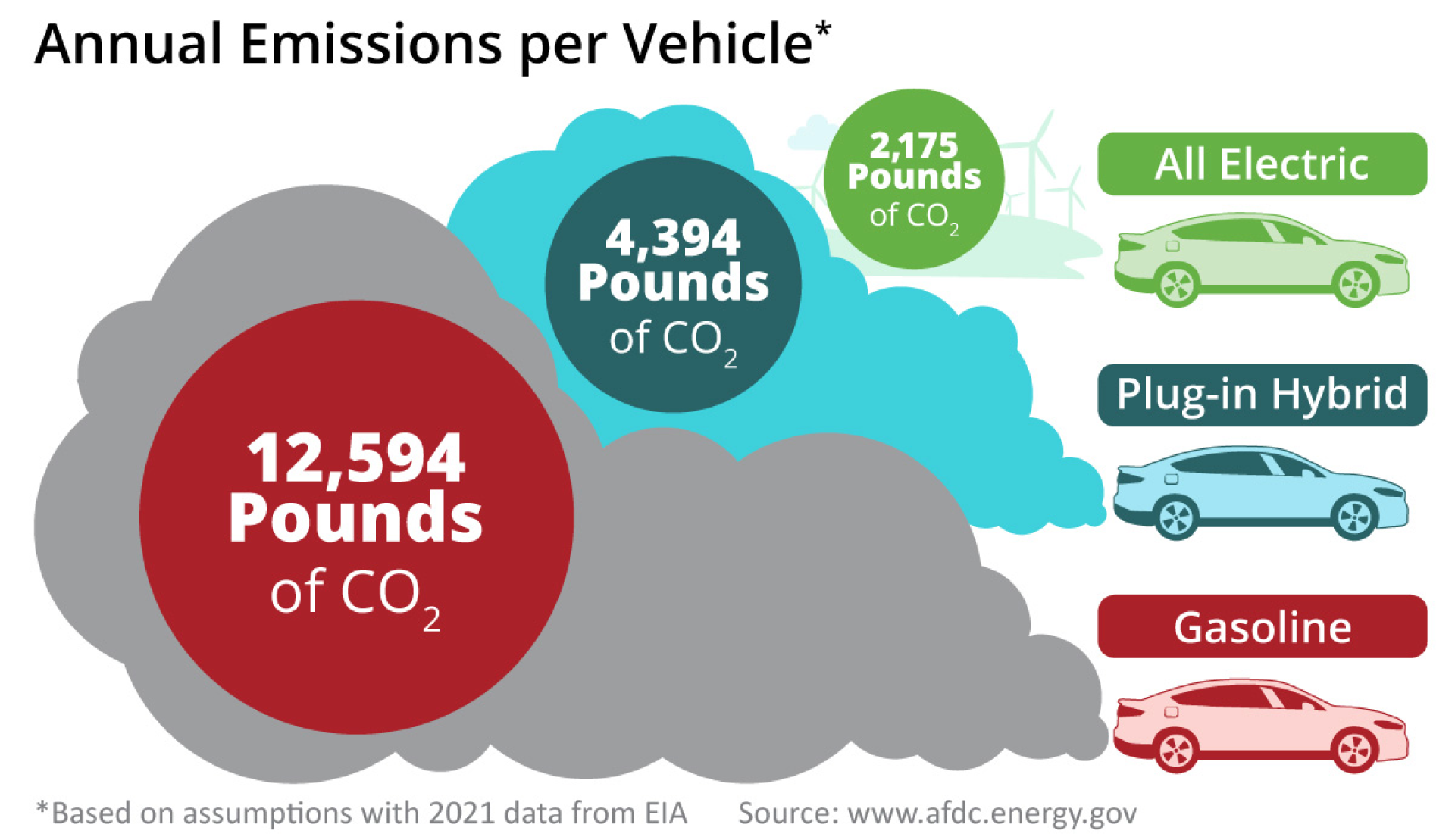
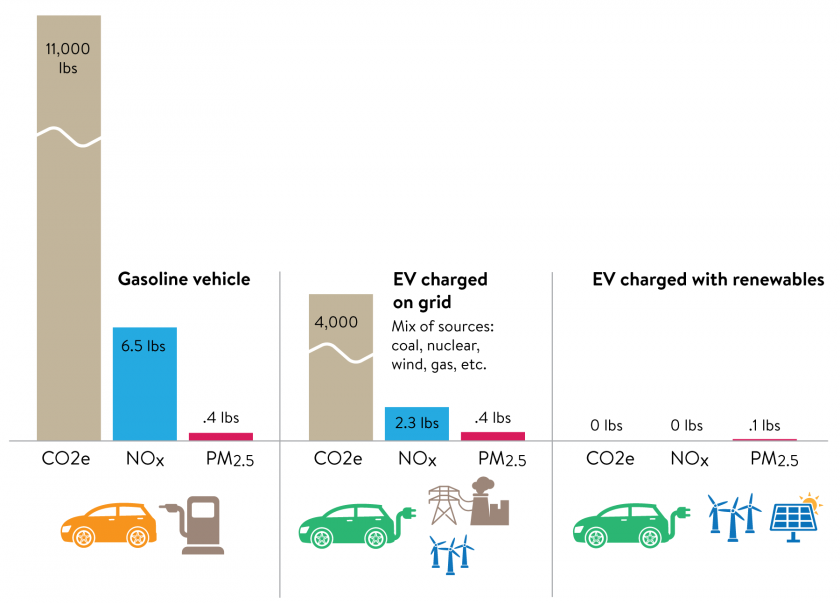
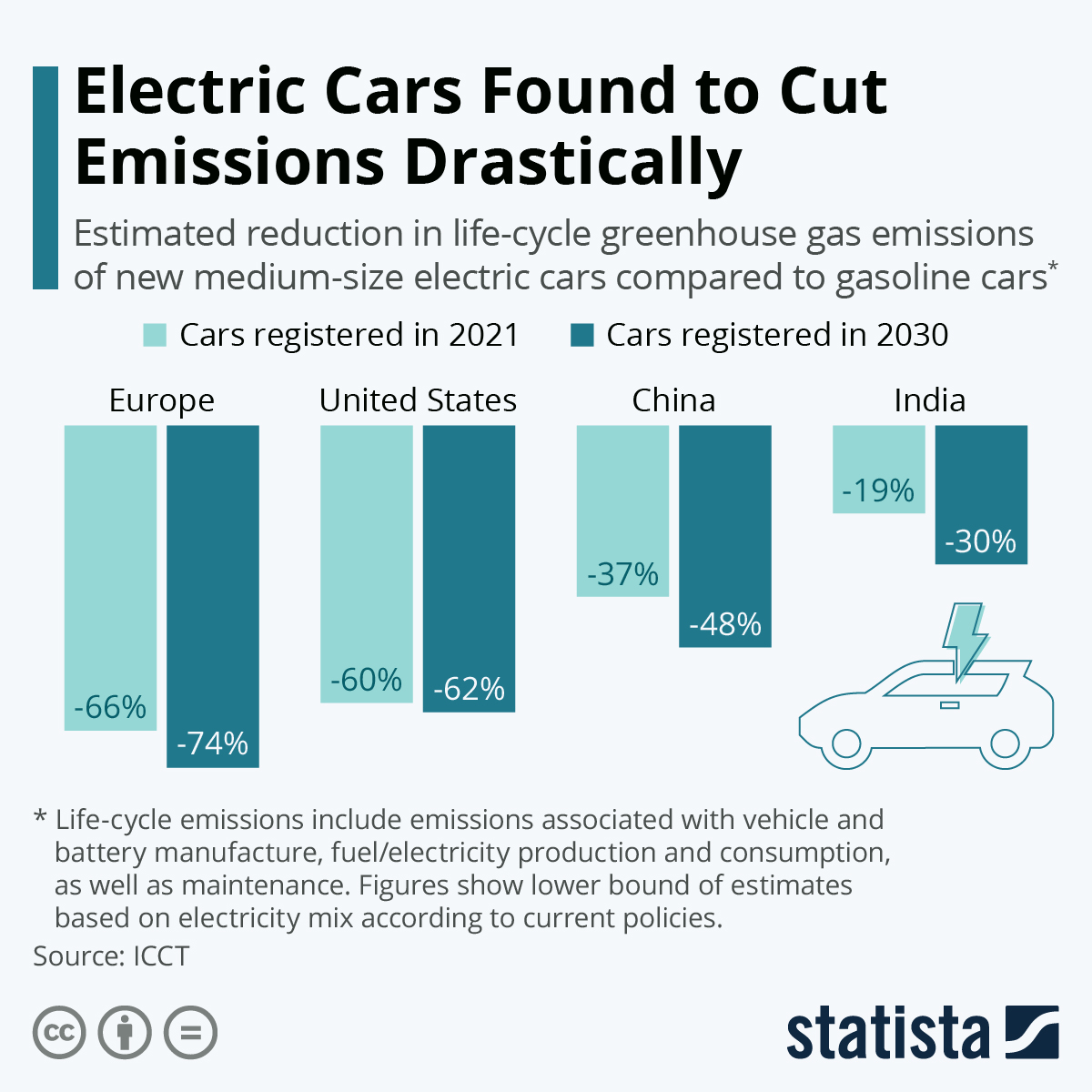
So, who wins the carbon footprint battle? Drumroll, please... Generally speaking, EVs come out ahead. Even when you factor in the electricity generation, they tend to have a smaller carbon footprint over their lifespan than gasoline cars. This is especially true if the electricity grid in your area relies heavily on renewable energy sources, like solar or wind.
However, that advantage depends. The initial production of an EV has a higher carbon footprint because of the mining and manufacturing of batteries. Batteries require resources like lithium and cobalt. The process of extracting these materials and producing the batteries isn't emission-free. But keep in mind, that’s a one-time deal. And after the batteries are produced, EVs tend to make up for it during the rest of its lifespan.
Beyond Just Driving
It's not just about driving. Think about the entire lifecycle of each car. The materials used, the manufacturing process, the transportation, and what happens to the car at the end of its life. EVs are becoming more recyclable, and battery technology is constantly improving. These advancements make EVs even more sustainable.
Gasoline cars have a well-established recycling process, but the continuous need for gasoline is a constant source of emissions. It's a never-ending cycle.
The Verdict (For Now)
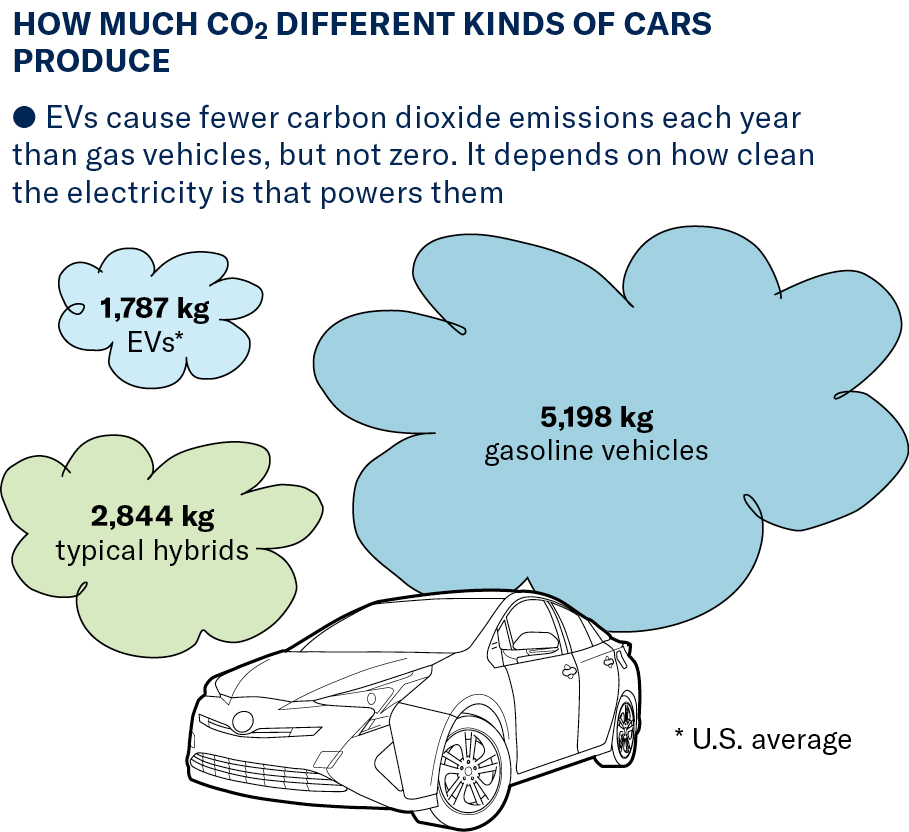
The carbon footprint comparison between EVs and gasoline cars is complicated, but it makes for fascinating debate. It shows that there is no ultimate right answer. We have to keep looking at the entire picture. EVs are generally better, especially as renewable energy becomes more widespread. Plus, they’re often zippier and quieter to drive. It's like trading in your clunky old record player for a sleek new sound system.
Want to dive deeper? Check out resources from the EPA (Environmental Protection Agency) and other environmental organizations. They have detailed studies and calculators that can help you estimate the carbon footprint of different vehicles. You might be surprised by what you find!
So, next time you see an EV gliding silently down the street, remember it's part of a bigger story. A story about technology, energy, and our planet. It’s a story still being written. You could even get inspired to be a part of the greener future!