Carbon Fiber What Is It Made Of
You know that sleek, dark, almost futuristic material that makes fancy bikes fly, race cars hug corners, and even airplanes soar with remarkable efficiency? That's right, we're talking about carbon fiber. It's the superstar of materials science, famous for being incredibly strong yet unbelievably light. It looks expensive, feels high-tech, and often carries an air of mystery. But have you ever stopped to wonder, what on Earth is this wonder-stuff actually made of? Prepare yourself, because the answer might just tickle your funny bone and warm your heart.
Most people imagine carbon fiber being forged from some exotic meteorite or perhaps spun from the web of a radioactive spider. Something rare, perhaps glistening, and definitely hard to find. Well, buckle up, because the true origin story is far more humble, and in its own way, utterly delightful. The secret ingredient, the unsung hero, the initial state of this magnificent material is... drumroll please...
PLASTIC!
Yes, you read that correctly. Much of the carbon fiber we admire today begins its life as a very specific type of plastic. Not the kind that makes your milk jugs or your kids' toys, but a special polymer, a long chain of molecules, often referred to as polyacrylonitrile (but let's just stick with "a special kind of plastic" for simplicity, because who wants a tongue-twister when we're having fun?).
From Humble Plastic to High-Tech Marvel
So, how does a basic strand of plastic transform into the super-strong, feather-light material that builds everything from Formula 1 cars to space rocket components? It's a bit like a culinary masterpiece, but instead of delicious aromas, we're dealing with extreme heat and some serious chemistry.
Imagine taking a very thin strand of this special plastic, almost like a fishing line, and putting it into an oven. But not just any oven – we're talking about industrial furnaces that crank up the heat to astronomical levels, often well over 1,000 degrees Celsius! It's hotter than the surface of some volcanoes!
What happens then is pure magic, or rather, brilliant science. As the plastic heats up, all the non-carbon atoms (like hydrogen and nitrogen) start to burn off, vaporize, and basically disappear into thin air. It’s like a very extreme diet plan, where the material sheds all its molecular baggage. What's left behind? Almost pure carbon.
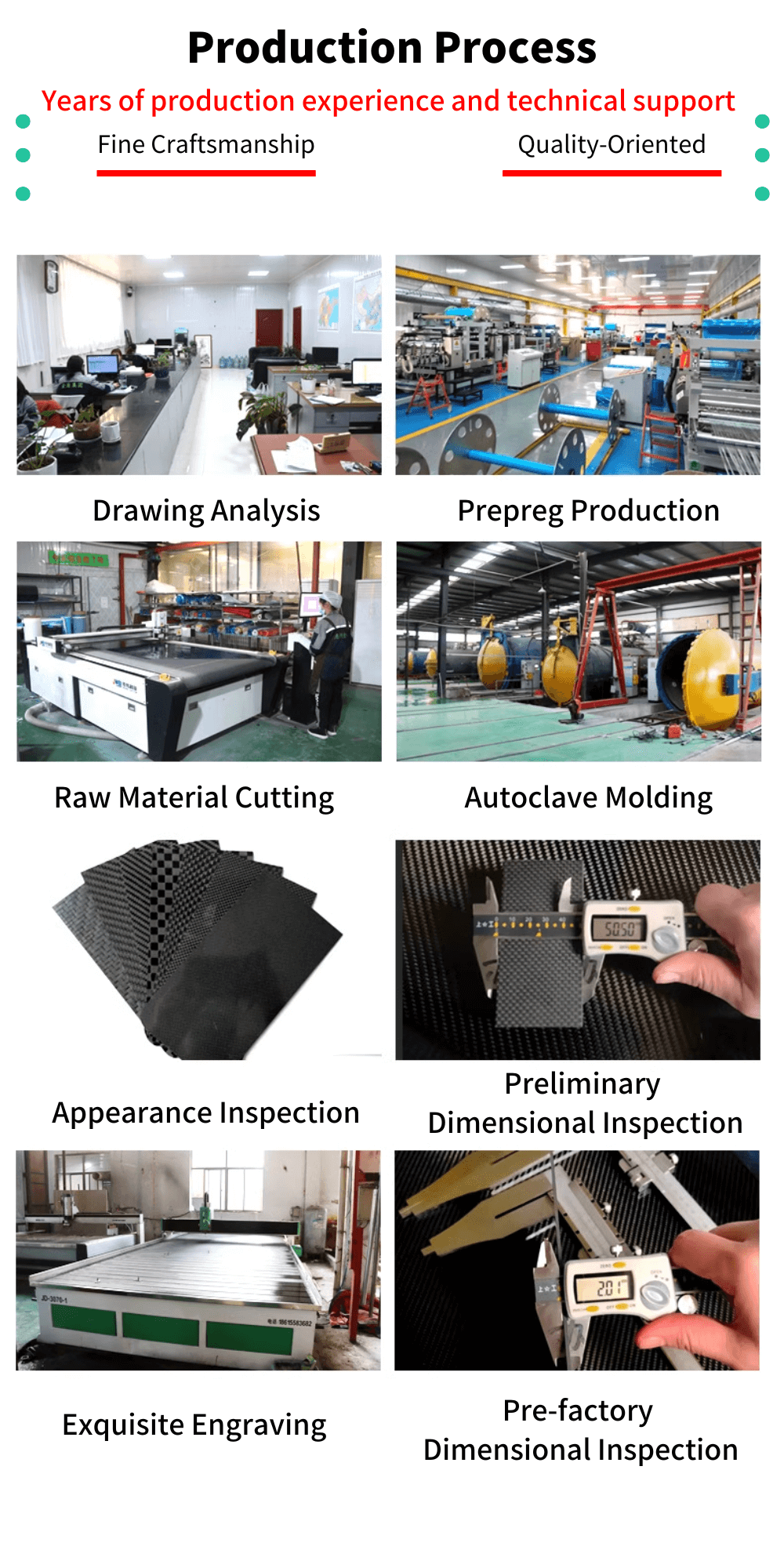
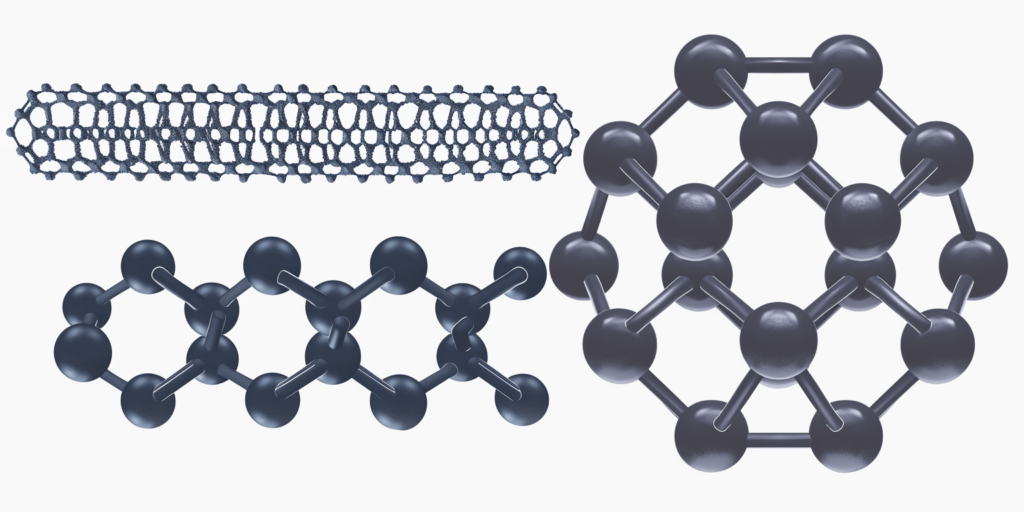
These remaining carbon atoms then rearrange themselves into long, tightly packed, crystal-like structures that run parallel to the length of the fiber. Think of them as microscopic, perfectly aligned tubes or sheets. This precise arrangement is what gives carbon fiber its incredible strength and stiffness, especially in relation to its minuscule weight. It's truly an ugly duckling story, where a humble plastic thread undergoes a fiery trial and emerges as a graceful, powerful swan.
The Heartwarming Ingenuity
Isn't it amazing to think that some of the most cutting-edge gadgets and vehicles on the planet owe their existence to something as unassuming as a plastic precursor? It's a testament to human ingenuity and our endless quest to make things better, faster, stronger, and lighter.
Next time you see a sleek carbon fiber bicycle frame, a dazzling sports car with exposed carbon weave, or even a high-performance tennis racket, take a moment to appreciate its surprising journey. From humble plastic origins, through a blazing furnace, it transforms into an engineering marvel that enhances our lives in countless ways. It’s a fantastic reminder that sometimes the most extraordinary things come from the most unexpected, and delightfully ordinary, beginnings.