Carbon Emissions Scope 1 2 3
Alright, buckle up, eco-champions! Have you ever wondered about the secret life of carbon emissions? It’s not just some scary, invisible cloud; it’s actually a fascinating, solvable puzzle, and you, yes you, can totally get a handle on it! Think of it like a super-fun detective game where we track down carbon footprints, not with a magnifying glass, but with a sprinkle of common sense and a dash of playful exaggeration. We’re going on a mission to uncover the mysteries of
Scope 1: The "Right Under Your Nose" Emissions!
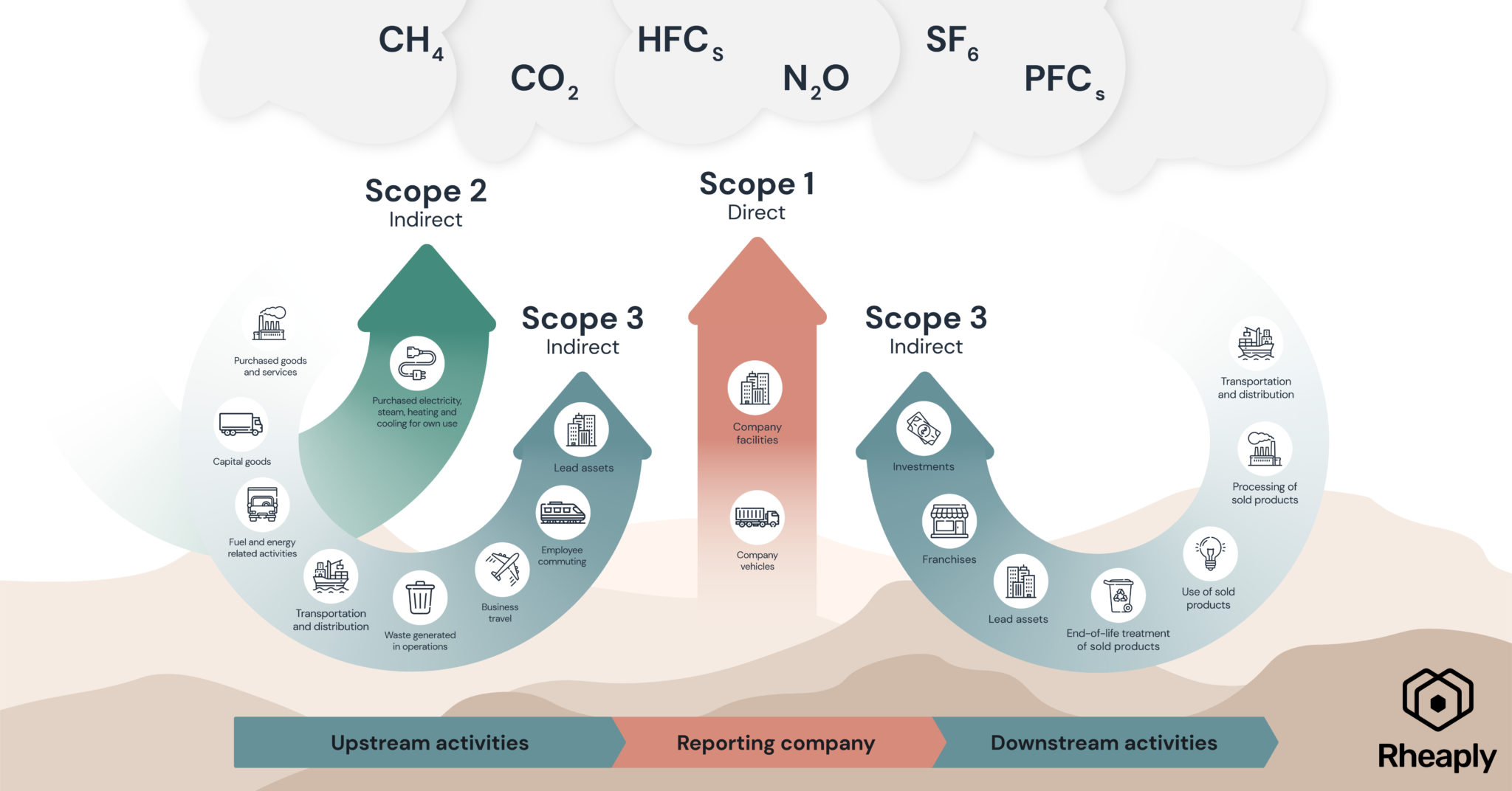
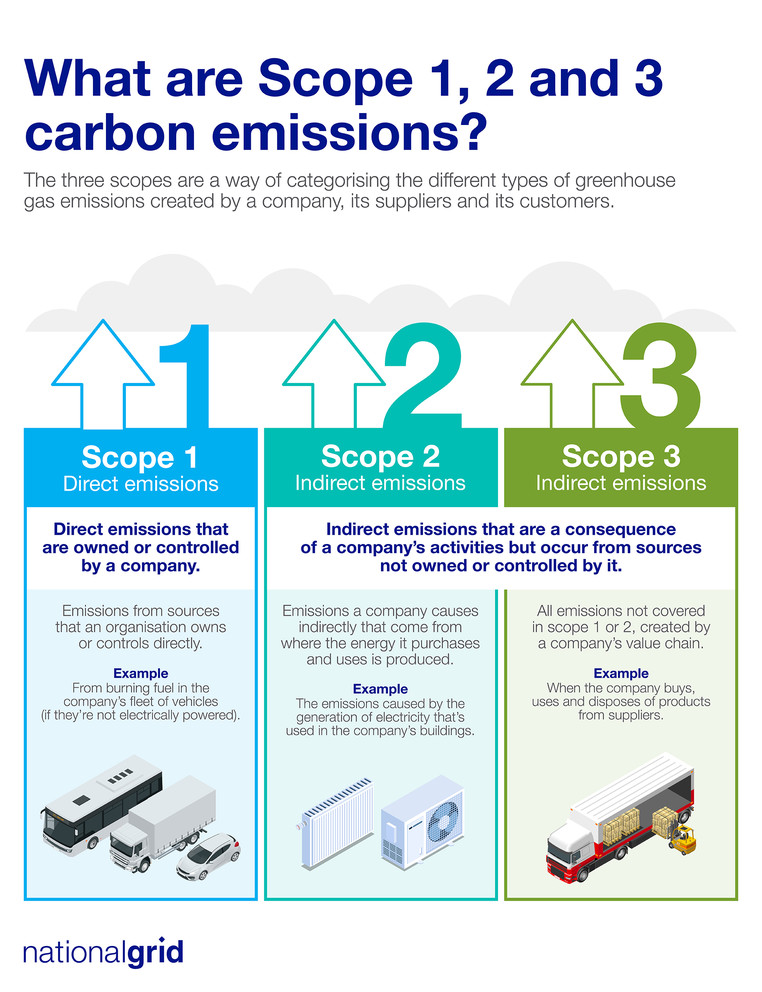
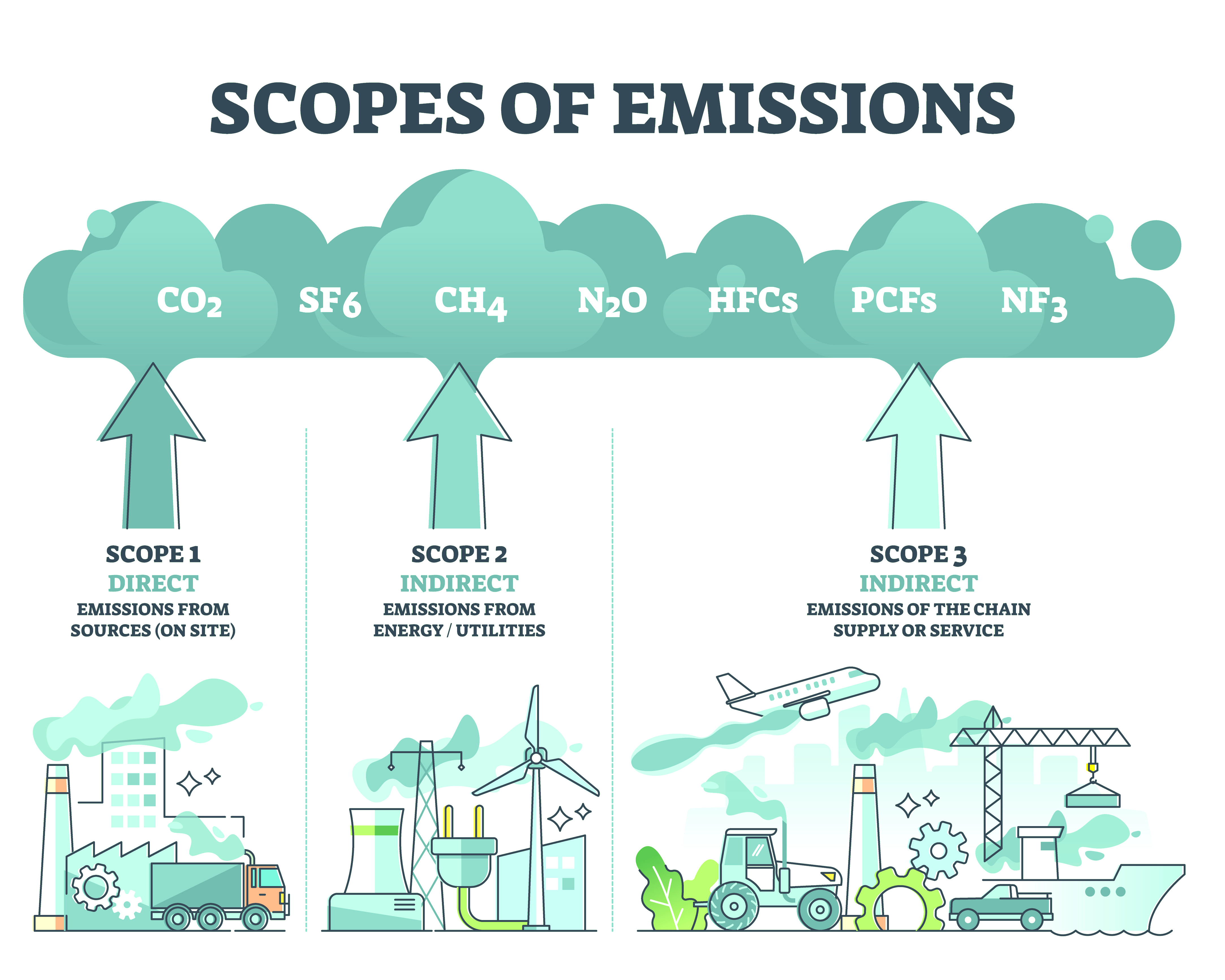
Let's kick things off with Scope 1 emissions. Imagine these as the carbon output you can literally point to and say, "Yep, that's my smoke, baby!" These are the emissions that come directly from sources a company owns or controls. It’s like when you drive your own car – the exhaust fumes wafting out the back? Those are
Think of it this way: If you've got a grumpy old factory with a smokestack puffing away like a dragon with a bad cold, all that huffing and puffing is Scope 1. It’s the carbon equivalent of you owning a pet dragon and having to deal with its fiery sneezes directly! No middleman, no mystery – just pure, unadulterated, direct carbon from your very own activities. This is where you have maximum control, like being the conductor of your own carbon orchestra!
This scope is all about what you burn, what you release from your own facilities, or what your own fleet of vehicles spews out. It's the most straightforward, the "what you see is what you get" of the carbon world. Easy peasy, right?
Must Read
Scope 2: The "Plug-In and Play" Emissions!
Next up, we have Scope 2 emissions, and these are a little sneakier, but still totally trackable. These are the indirect emissions from the generation of purchased electricity, steam, heating, and cooling consumed by your organization. In plain English? It’s the carbon footprint of the energy you buy from someone else to power your lights, your computer, your air conditioning – basically, anything you plug into the wall!
Imagine you're at home, happily charging your phone, brewing your coffee, and keeping your fridge frosty. You're not personally burning coal in your living room (thank goodness!), but somewhere, a power plant is working hard, probably burning fossil fuels, to send that electricity your way. Those emissions, produced by the power plant because you bought their electricity, are your Scope 2. It's like paying for a subscription to a carbon-producing service!
So, while you don't own the power plant or its smokestacks, your choice to use their energy directly influences their emissions. It’s your share of the electricity grid’s carbon footprint. By opting for renewable energy suppliers or just being super-savvy with your energy use, you can shrink this footprint significantly. It’s your chance to be a carbon-conscious consumer, making choices that ripple back to the source!
Scope 3: The "Everybody Else Involved" Emissions!
And now, for the grand finale, the big kahuna, the wild, wonderful, and enormous world of Scope 3 emissions! This is where the carbon detective game gets really exciting, and a little bit mind-boggling.
Think of your favorite t-shirt. Its Scope 3 journey began with growing the cotton (farming emissions!), then spinning it into fabric (factory emissions!), dyeing it a fabulous color (chemical emissions!), shipping it across oceans (fuel emissions!), and then, after you've loved it to bits, maybe it ends up in a landfill (decomposition emissions!). You didn't do any of that directly, but it all happened because you wanted that t-shirt!
This is truly the ultimate carbon detective novel with a cast of thousands! It includes emissions from things like:
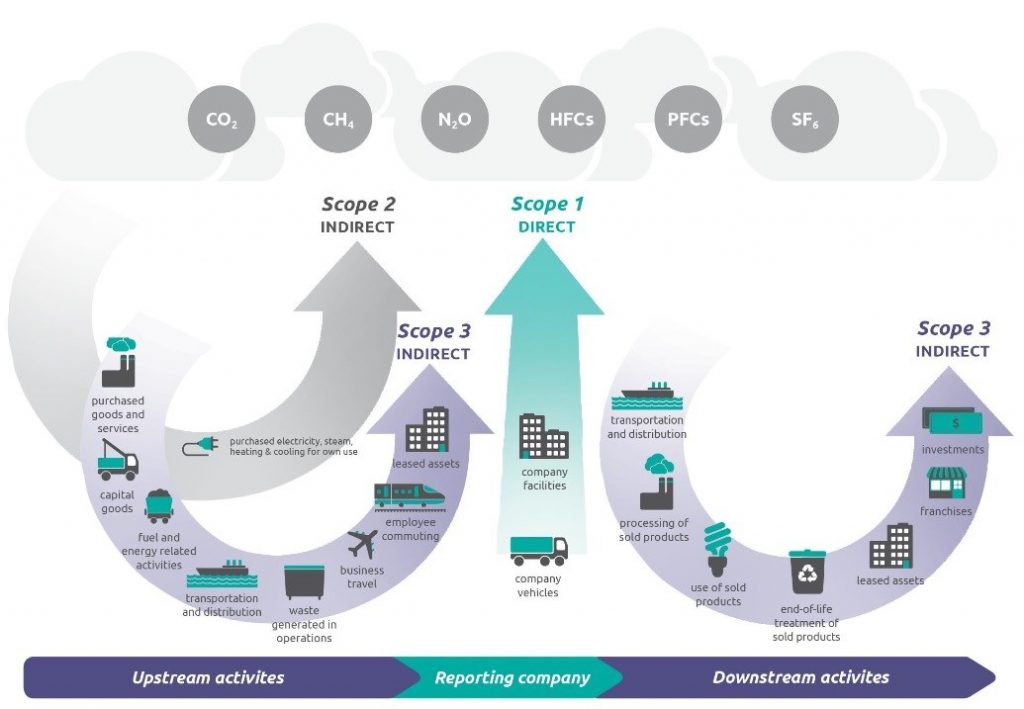
- Your suppliers making the stuff you buy (raw materials, components).
- Your employees commuting to work (bus, train, their own cars).
- Business travel (flights, hotels).
- Waste generated in your operations (landfills, recycling plants).
- The products you sell when customers use them (think of a car's lifetime fuel use after it's been sold!).
- And even the end-of-life treatment of those products (what happens when they're finally thrown away).
It’s every single ripple effect, every indirect consequence, every carbon contribution that's connected to your existence, but not directly under your smokestack or your electricity bill. Because Scope 3 is so vast, tackling it requires collaboration, innovation, and a serious amount of detective work, but it also has the biggest potential for positive change. By understanding it, companies can influence their entire supply chain, nudging everyone towards a greener future.
Why does all this carbon tracking matter?
Because when we know exactly where our carbon footprints are landing, we can stomp them out more effectively! Understanding