Car Ac Works In Morning But Not In Afternoon

Ever hopped into your car on a scorching summer afternoon, only to be greeted by a blast of lukewarm air instead of the icy relief you were expecting? You're not alone! It's a surprisingly common problem: your car's AC works great in the morning when it's cooler, but seems to give up the ghost when the afternoon heat hits. Figuring out why can be a bit of a puzzle, but understanding the basics is both interesting and incredibly useful for keeping your cool (literally!).
So, what exactly is the purpose of a car's AC, and why is it so vital? Simply put, it's designed to remove heat and humidity from the interior of your vehicle, making it a comfortable and safe environment, especially during hot weather. Think of it as a tiny refrigerator for your car. The benefits are numerous: improved driver alertness and concentration, reduced fatigue, and prevention of heatstroke, especially important for children and pets. It also helps to defog your windows on humid days, improving visibility and safety.
Understanding how a car AC works, even at a basic level, can be surprisingly useful in everyday life. For example, knowing that the AC system relies on refrigerant to cool the air can prompt you to seek professional help if you suspect a leak. A decline in AC performance, especially the morning-versus-afternoon scenario, can be a clue. Perhaps you've noticed the AC works well when the engine is first started, but deteriorates as the car sits in traffic under the baking sun. This is a common symptom of several issues, from a low refrigerant charge to a failing compressor or condenser.
Must Read
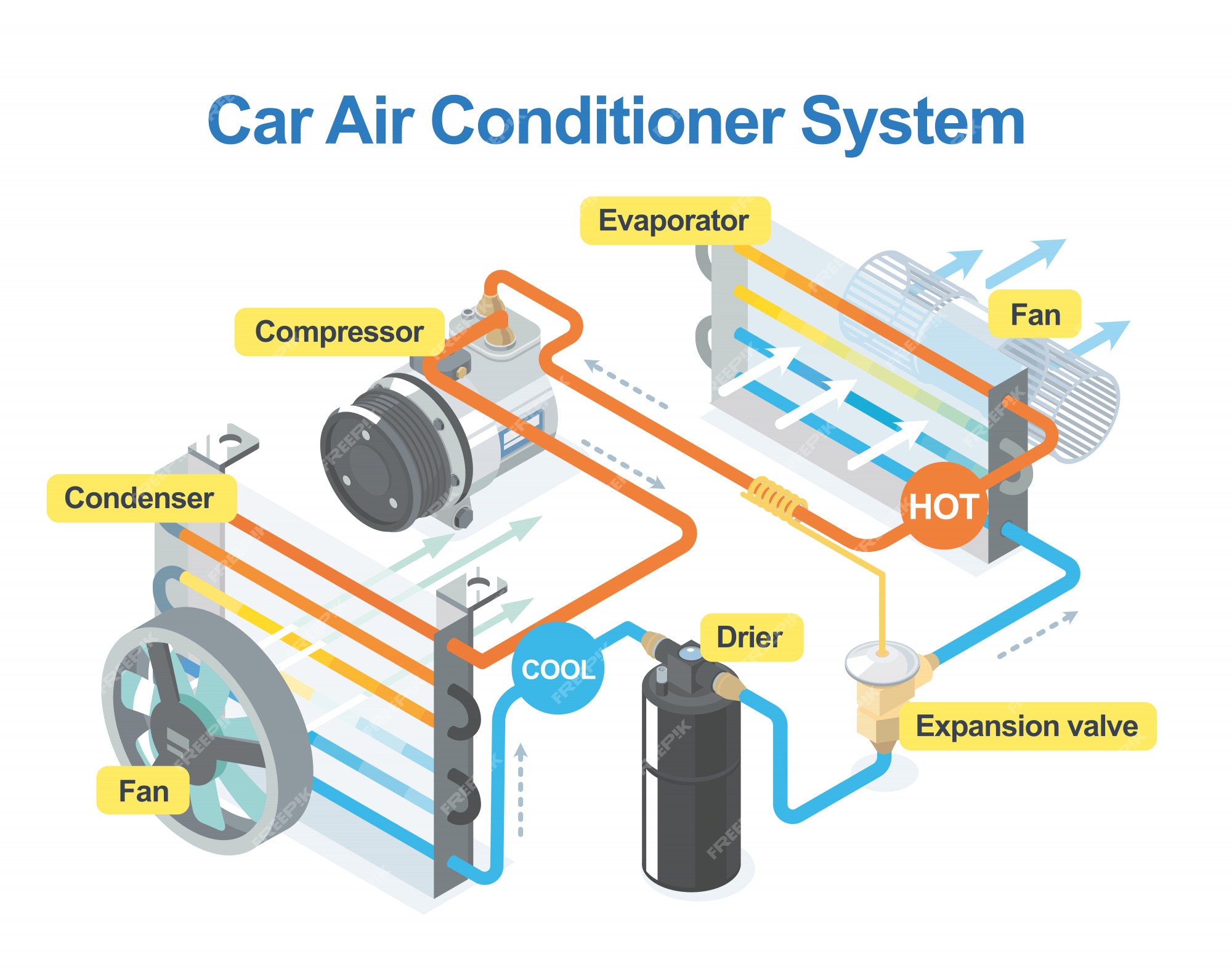
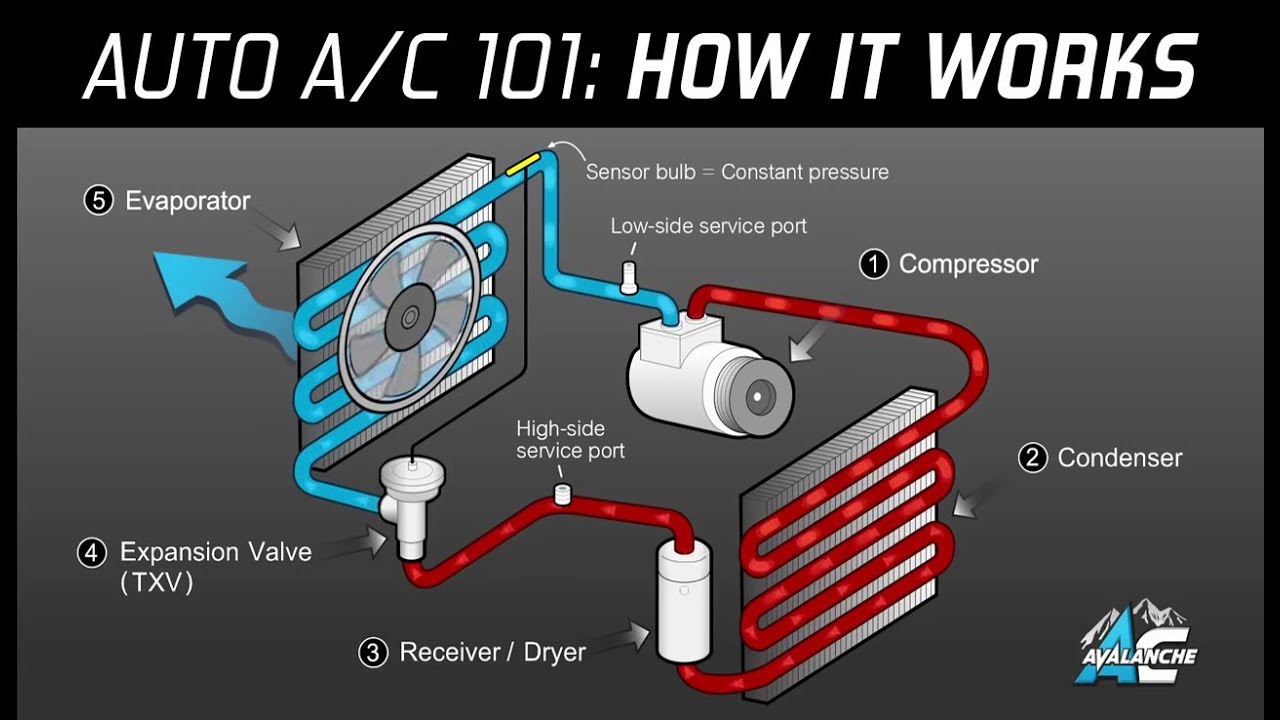
But why the morning/afternoon difference? There are several potential culprits. One common cause is a low refrigerant charge. The system might have just enough refrigerant to function adequately when the ambient temperature is lower, but the extra heat in the afternoon pushes it beyond its capacity. Another possibility is a failing compressor. The compressor is the heart of the AC system, and as it ages, it may struggle to maintain adequate pressure, particularly under stress from high temperatures. A blocked condenser, which dissipates heat from the refrigerant, can also cause this issue. When the condenser is clogged with debris, it can't effectively cool the refrigerant, leading to reduced AC performance, especially in the hot afternoon sun. Furthermore, electrical issues, such as a weak cooling fan motor, can exacerbate the problem. If the fan isn't efficiently drawing air across the condenser, the AC system won't cool as effectively.

Here are a few simple ways to explore potential problems (though always remember safety first!):
- Observe the AC performance: Pay close attention to when the AC starts to fail. Does it gradually worsen as the day heats up, or is it a sudden drop-off?
- Listen for unusual noises: A hissing sound might indicate a refrigerant leak, while a rattling or grinding noise could point to a compressor issue.
- Check the condenser: Carefully inspect the condenser (usually located in front of the radiator) for debris. You can try gently cleaning it with a soft brush and water. Be very careful not to damage the delicate fins.
While these are just a few initial steps, remember that diagnosing and repairing car AC systems often requires specialized equipment and knowledge. If you're experiencing this frustrating morning-good-afternoon-bad AC issue, it's best to consult a qualified automotive technician. They can accurately diagnose the problem and get your AC blowing ice-cold air again, no matter the time of day. Don't suffer in silence! A properly functioning AC isn't just a luxury; it's an important safety feature that contributes to a more comfortable and focused driving experience.