Can You Weld Stainless Steel With A Mig Welder

Hey there, welding buddy! Ever stared at a roll of stainless steel wire and then at your trusty MIG, wondering if they could, you know, be together? Like a star-crossed romance movie, only with metal? Well, grab a cup of coffee (or your favorite energy drink – no judgment!) and let’s chat about welding stainless steel with a MIG welder. The short answer? Yes, absolutely! But, like most things in life, there's a "but..."
Think of it this way: your MIG welder is like a universal translator. It can speak many metal languages, but you need to make sure it's using the right dialect for stainless steel, or things can get… well, let’s just say less than pretty. We're aiming for shiny and strong, not a bird's nest of disappointment, right?
Gettin' Technical (But Not Too Technical)
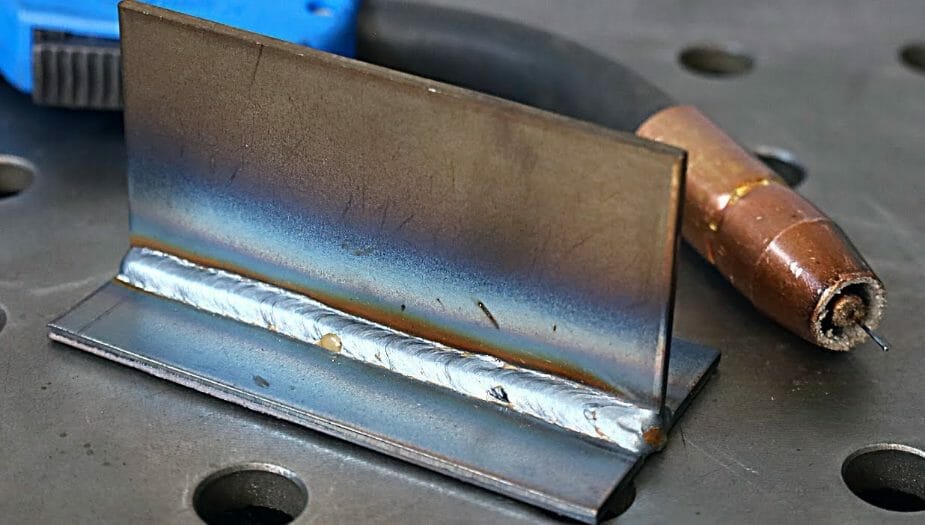
Okay, let's dive into the slightly-less-casual stuff. When you're MIG welding stainless steel, you're dealing with a metal that's a bit more… sensitive than your average mild steel. It doesn’t like overheating; it throws a tantrum if you put too much heat into it. Think of it as the diva of the metal world. So, what do we do with divas?
Must Read
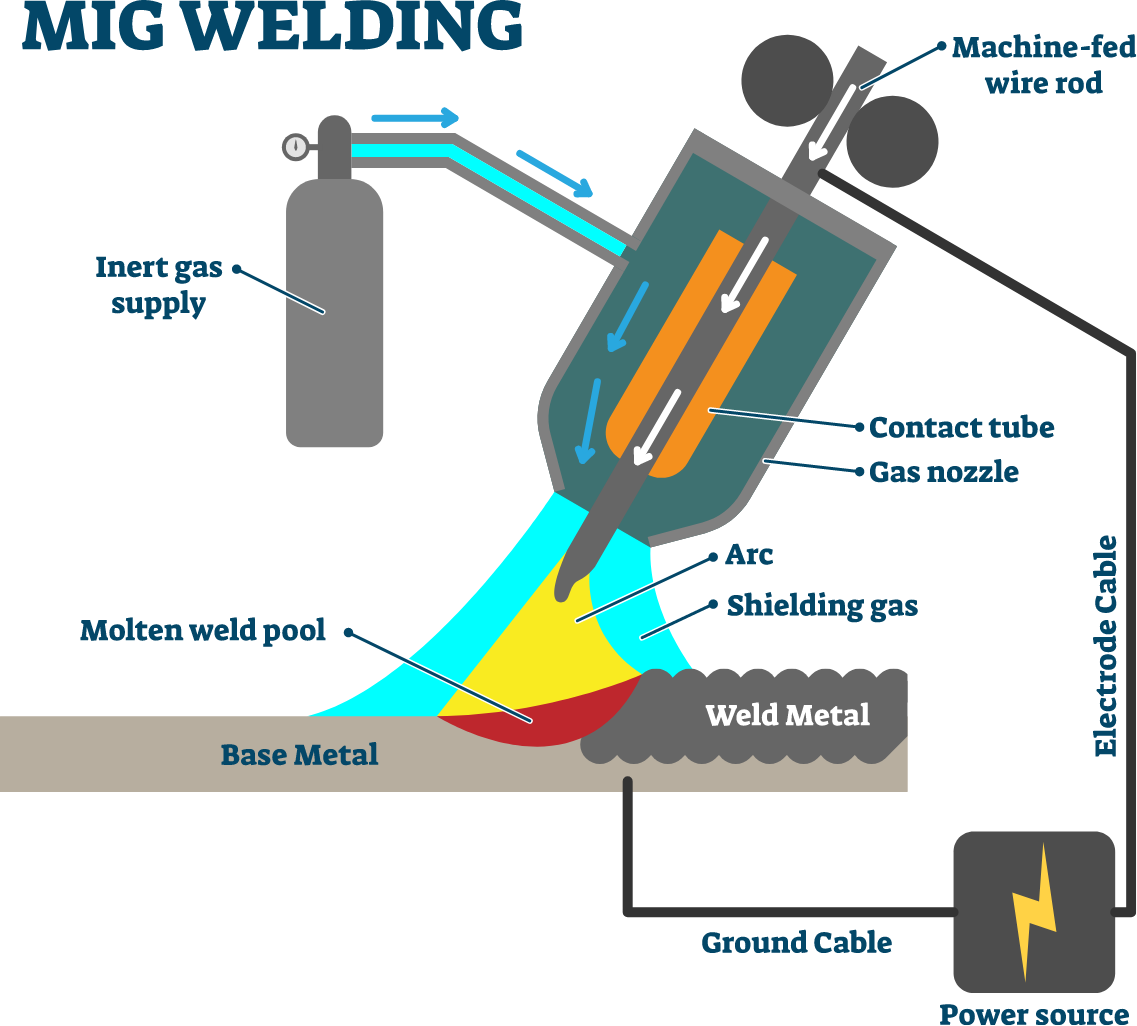
We use a lower voltage, my friend! Keep that voltage down. You want a nice, controlled arc, not a supernova. Speaking of arcs, you'll also want to use a shorter arc length. This helps you focus the heat and prevents the stainless steel from getting too hot and bothered.
And now for the gas! Not the kind that makes you giggle (though that could lighten the mood in the shop!). We're talking shielding gas. For stainless, you're going to want a mix containing argon. Argon helps protect the weld from the atmosphere and keeps it looking all silvery and spectacular. Some welders like a mix of argon and CO2, but keep the CO2 percentage low to avoid discoloration and reduced corrosion resistance. Nobody wants rusty stainless!
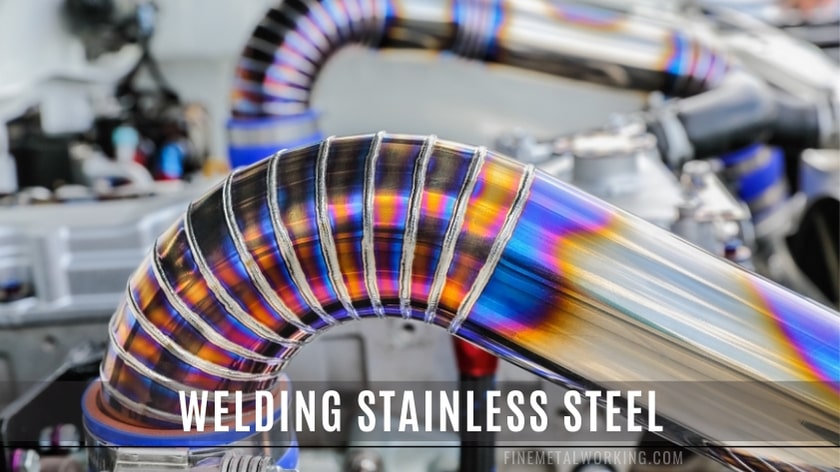
The wire? Ah, the wire! You’ll need a stainless steel MIG wire, naturally. ER308L or ER316L are common choices. Just match the wire type to the type of stainless you are welding and you should be golden. Well, silvery actually.
Tips and Tricks for Stainless Steel MIG Welding Success
Alright, now for the fun part: secrets! Just kidding (sort of). Here are a few little nuggets of wisdom to help you on your stainless steel welding journey:
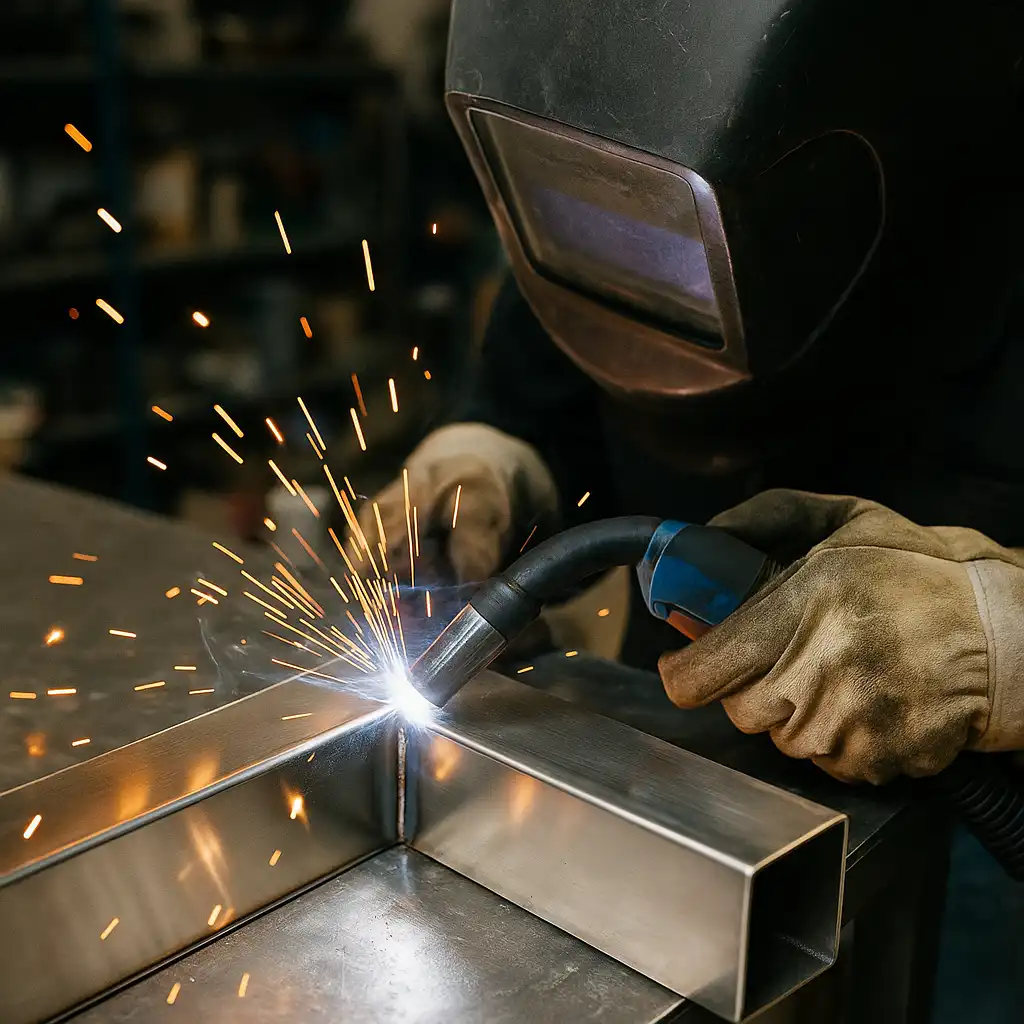
- Clean, Clean, CLEAN! Seriously, clean your stainless steel before welding. Any grease, grime, or contaminants can lead to porosity (little holes) and a weak weld. Think of it as brushing your teeth before a date.
- Keep it Cool: Stainless steel retains heat like a champion. Use multiple short welds and let it cool between passes. You might even use a wet rag to help it cool down. Don't quench it, though!
- Travel Speed: Move at a steady, consistent pace. Too slow and you'll overheat the stainless steel. Too fast, and you won't get adequate penetration. It's all about finding that sweet spot.
- Practice Makes Perfect: Let's be honest, nobody becomes a welding master overnight. Practice on scrap pieces of stainless steel until you get the hang of it. You'll thank yourself later.
Think of welding stainless steel as learning a new dance. It takes practice, coordination, and a little bit of rhythm. But once you get the steps down, you'll be gliding across the metal like a pro!
Don't Be Afraid to Experiment!
Ultimately, welding is a very practical skill. The best way to learn is to get out there, get your hands dirty (metaphorically, wear gloves!), and start experimenting. Don't be afraid to try different settings, techniques, and shielding gas mixes. You might just discover your own secret sauce for welding stainless steel.
And hey, if you mess up, don't sweat it! We all start somewhere. Just grind it down, clean it up, and try again. That’s the beauty of welding, isn’t it? You get to melt metal together and create something new (and hopefully strong and shiny!) out of it. So, grab your MIG welder, your stainless steel, and get to work! You got this!
So, to answer your initial question: yes, you can weld stainless steel with a MIG welder. Just remember to adjust your settings, use the right shielding gas, and keep it clean. Now go forth and weld, my friend!