
Can You Use Plastic Wrap To Insulate Windows
Okay, so let's talk about something we've all probably considered at 3 AM while staring at our ridiculously high heating bill: can you actually use plastic wrap to insulate your windows? I mean, we’ve all been there, right? You feel that draft creeping in like a tiny, icy ninja, and you think, "There has to be a cheap, MacGyver-esque solution!"
Think of it like this: your windows are basically saying, "Come on in, Winter! Make yourself at home! The thermostat's over there!" And your wallet is weeping silently in the corner.
So, plastic wrap. We use it to keep our leftovers from turning into weird science experiments in the fridge. But can it also be our budget-friendly savior against Jack Frost?
Must Read
The Theory Behind the Plastic Wrap Power Move
The basic idea is this: you create an extra layer of air between the window and your room. Air, when trapped, acts as an insulator. Think of it like a puffy winter coat for your window. Makes sense, right?
And hey, for a lot of us, the choice comes down to buying some expensive window insulation kits or rummaging through the kitchen drawer. Let's be honest, the kitchen drawer usually wins by default. It's like choosing between a gourmet meal and a bag of chips when you're already wearing your pajamas. Chips are just easier!
So, Does It Actually Work? The Nitty-Gritty
Yes, and no. I know, classic answer. But hear me out. Plastic wrap can provide some level of insulation. It's better than nothing, especially if your windows are single-pane and drafty enough to whistle a Christmas carol. It's not going to turn your living room into a tropical paradise, but it can definitely reduce drafts and make the room feel warmer.
Think of it like wearing a thin sweater on a chilly day. It's not a parka, but it's something. It's a small victory in the ongoing war against cold drafts.
The Fine Print (Because There's Always Fine Print)
Here’s the catch: it’s not a long-term solution. Plastic wrap is, well, plastic wrap. It's not designed to withstand extreme temperature changes or constant sunlight. It can get cloudy, tear easily, and generally look a bit…tacky after a while. Imagine trying to look out your window and all you see is a blurry, stretched-out version of the world. Not exactly ideal for enjoying a scenic snowstorm.
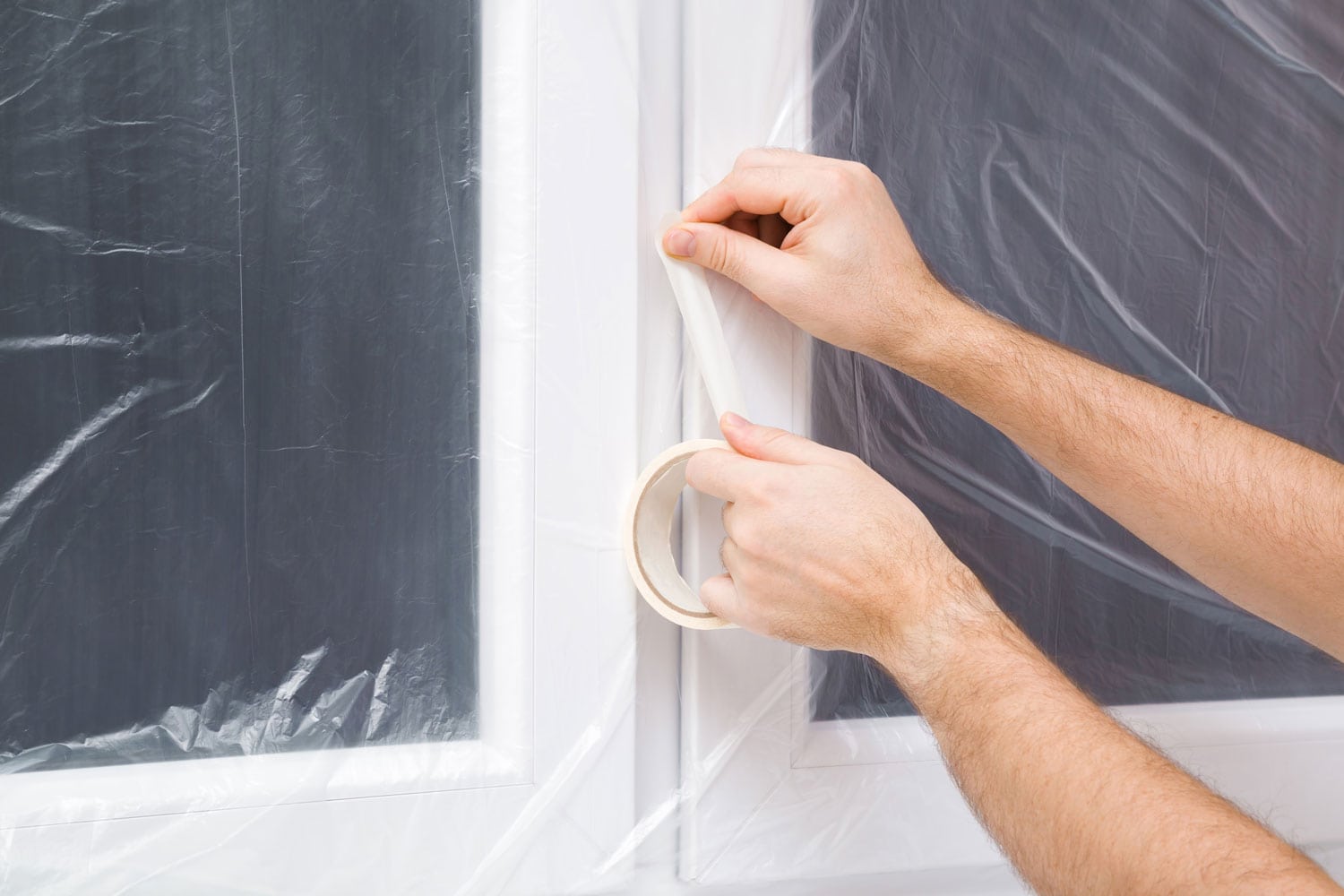
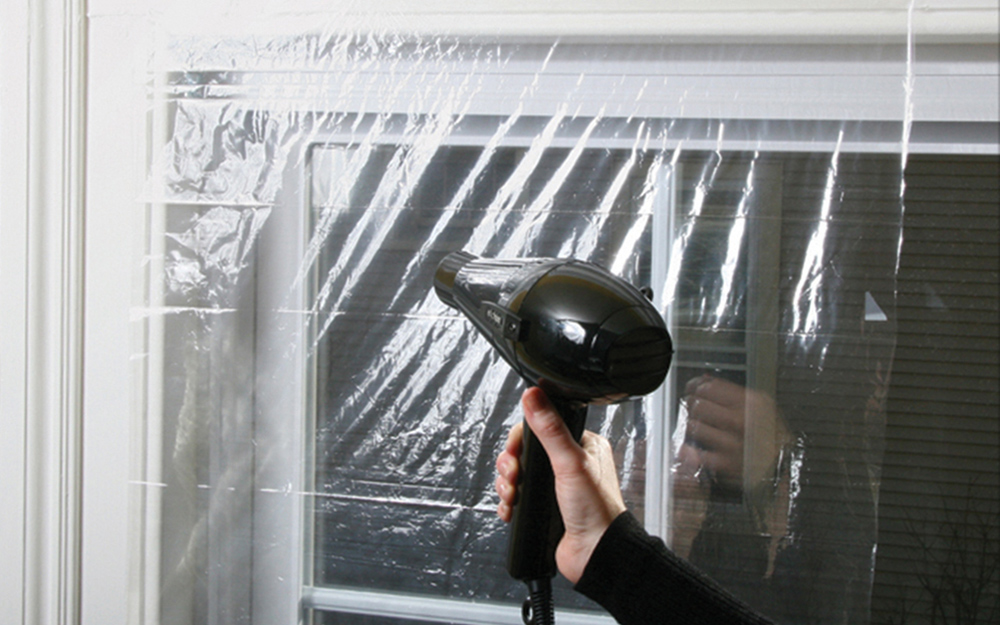
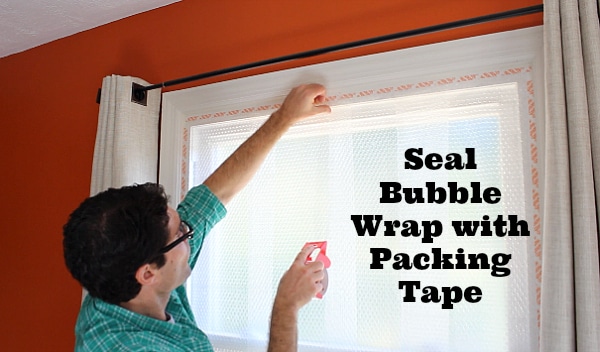
Also, application can be tricky. You'll need double-sided tape (or a similar adhesive) and a hairdryer. And even with the best intentions, you might end up with wrinkles and bubbles that make your windows look like they're wearing a very poorly fitted face mask.

And let’s not forget the aesthetic factor. While functional, plastic-wrapped windows aren’t exactly winning any design awards. It’s a bit like wearing socks with sandals – practical, maybe, but definitely not stylish.
The Verdict: Should You Wrap It Up?
If you're looking for a cheap, quick, and temporary fix to combat drafts, plastic wrap can be a decent option. It’s perfect for renters who can't make permanent changes or for homeowners on a super tight budget. It also makes a decent barrier to dust and pollen.
But if you're aiming for a more effective and long-lasting solution, you might want to consider investing in proper window insulation kits or even better, energy-efficient windows. Think of the plastic wrap as a band-aid and proper insulation as actual medical care.
So, grab your plastic wrap if you're feeling crafty and desperate. Just don't expect miracles. And maybe, just maybe, invest in a thicker blanket too. Because let’s be real, a good blanket is always a solid plan.
Ultimately, you know what? Whatever helps you stay cozy, warm, and sane during those long winter months is a win. Even if it involves a slightly questionable amount of plastic wrap. Stay warm, friends!