Can You Use A Cpap Without Water
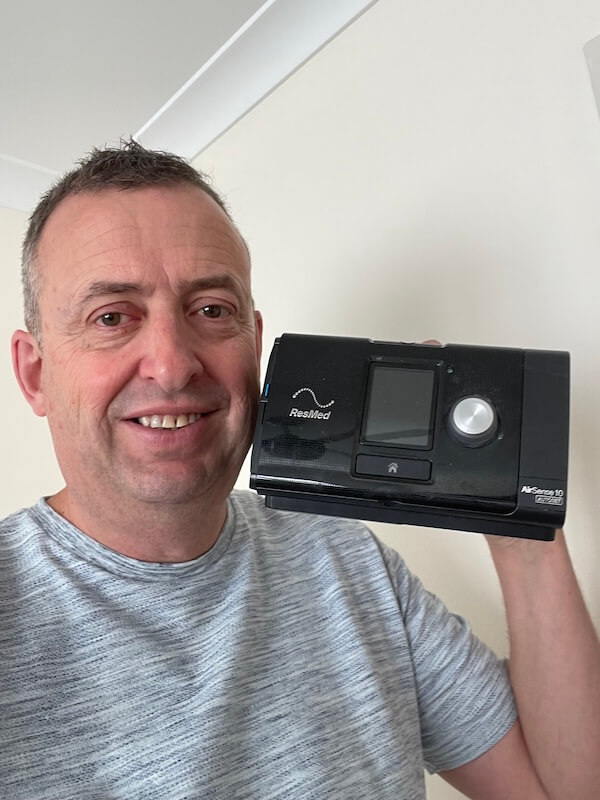
Ever found yourself packing for a trip, glancing at your CPAP machine, and wondering, 'Do I really need that big water chamber?' Or maybe you woke up in the middle of the night, realized you forgot to fill it, and panicked? If so, you're not alone! This common question is more than just a curiosity; it's about real-world convenience and understanding how your essential sleep therapy device actually works. Debunking the myth around CPAP humidifiers can truly simplify your life and make managing your sleep apnea much more flexible.
So, why is this question so popular and useful? For beginners to CPAP therapy, it's incredibly reassuring to know that if you occasionally forget the water, your therapy won't grind to a halt. It helps demystify the machine, making it feel less like a complex medical device and more like a manageable tool. For families planning vacations, this knowledge is a game-changer. No more hunting for distilled water in unfamiliar towns or worrying about lugging extra equipment. It streamlines travel preparations, making journeys smoother and less stressful for everyone involved. And for the frequent traveler or the 'hobbyist' who loves optimizing every aspect of their gear, understanding the role of the humidifier means greater freedom. Camping trips, international flights, or even just a spontaneous overnight stay become less of a logistical headache and more about enjoying the moment.
The good news is: yes, you absolutely can use your CPAP machine without water! The humidifier component, while a fantastic feature for comfort, is generally not essential for the primary function of your CPAP machine – delivering pressurized air to keep your airway open. Think of it like this: the machine itself is the engine, and the humidifier is the climate control. Many modern CPAP devices come with integrated humidifiers, while older models or specific travel CPAPs might have a detachable one, or none at all. When you don't use water, you're essentially just turning off or bypassing the 'climate control' feature. This is perfectly fine for short periods, during travel, or if you live in a naturally humid environment where you don't experience dryness.
Must Read
Ready to embrace the freedom of water-free CPAP use? Here are some simple, practical tips:
- Turn Off the Humidifier: If your machine has a humidifier and you're not using water, make sure to turn off the humidification setting in your machine's menu. This prevents the heating plate from dry-burning and potentially damaging the chamber.
- Hydrate Yourself: Drink plenty of water throughout the day, especially if you anticipate a drier night without the humidifier.
- Nasal Saline Spray: Keep a saline nasal spray handy. A quick spritz before bed can do wonders for preventing dryness and irritation.
- Consider Your Mask Type: If nasal dryness is a persistent issue, a full-face mask might offer a bit more comfort than a nasal pillow mask, as it covers both your mouth and nose.
- Short-Term vs. Long-Term: While fine for short-term use, if you find prolonged water-free use uncomfortable, consult your doctor. They might suggest alternative solutions or adjustments to your therapy.
Understanding that your CPAP can function perfectly well without its humidifier is a wonderfully liberating piece of knowledge. It offers unparalleled flexibility, reducing stress around travel and accidental oversights. So go ahead, pack lighter, worry less, and enjoy the true portability of your sleep therapy. Knowing your options truly enhances the overall value and ease of your CPAP journey!