Can You Take Your Temperature With An Apple Watch
So, you're rocking an Apple Watch, feeling a little under the weather, and suddenly the question pops into your head: "Can this thing tell if I'm burning up?" It's a fair question! We've become so reliant on our wrist-worn gadgets; it feels like they should be able to do practically anything, from ordering pizza to predicting the lottery. But can your Apple Watch actually replace that thermometer you keep tucked away in the medicine cabinet?
The Temperature Tango: A Sensor-sational Story
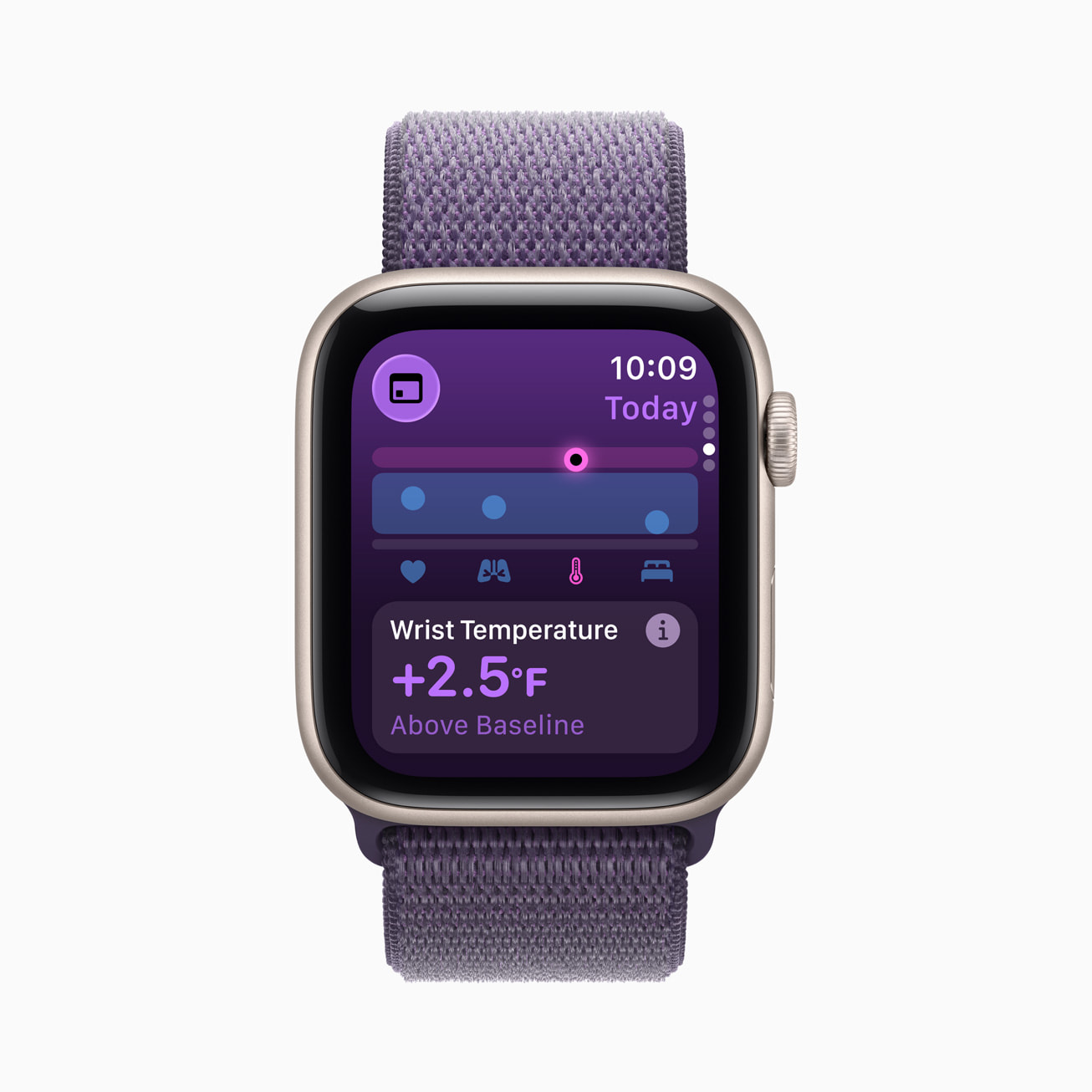
The short answer is... sort of! Here's the deal. Newer Apple Watch models, specifically the Apple Watch Series 8 and later, including the Ultra models, have a temperature sensor. But don't picture it as a tiny little digital thermometer ready to spit out a precise 98.6 reading. It's a bit more nuanced than that.
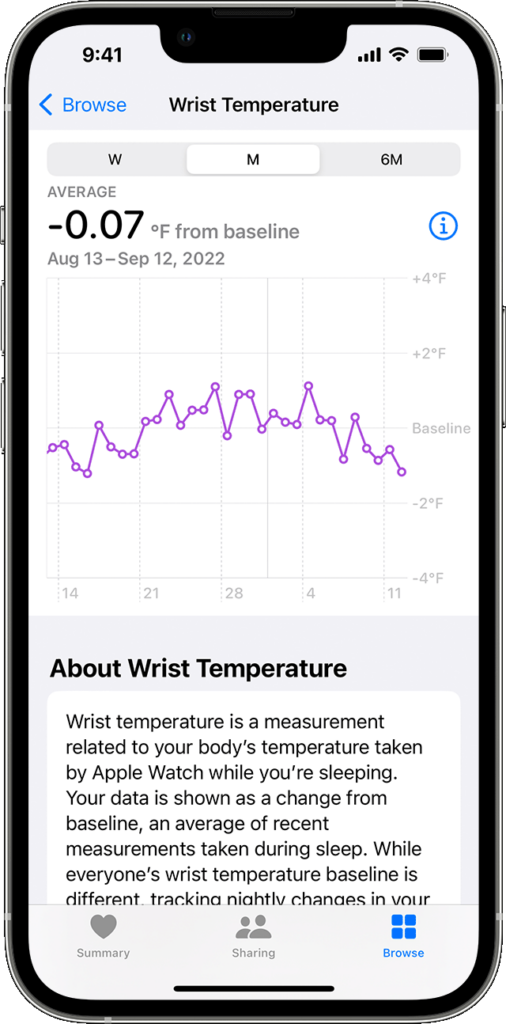
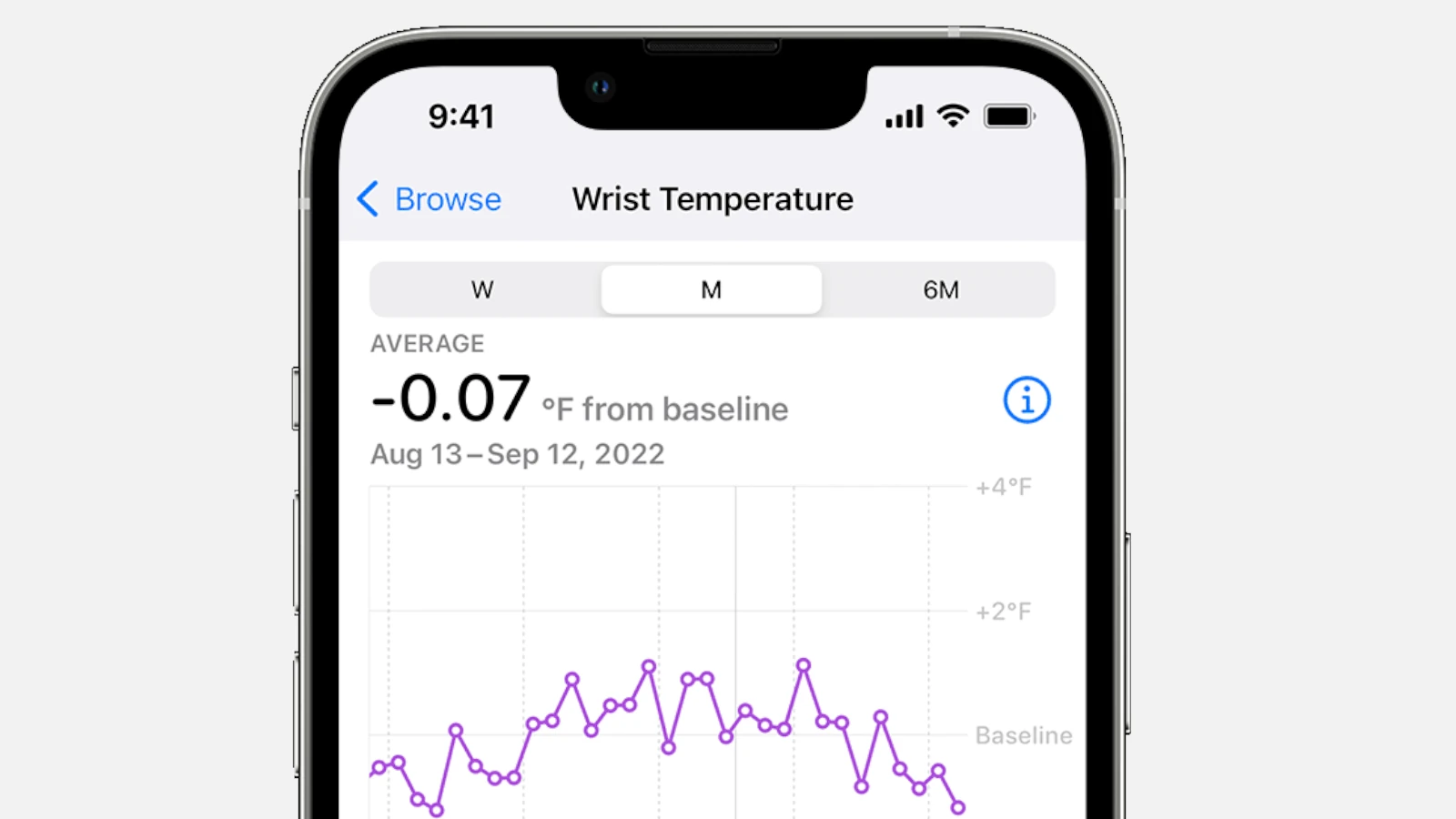
Instead of giving you an exact temperature like your old-fashioned thermometer, these watches use their temperature sensor to track changes in your wrist temperature overnight. Think of it like a sophisticated, temperature-sensitive mood ring, but for your health. The watch establishes a baseline temperature for you and then monitors for deviations from that baseline. It's all about spotting the trends.
Must Read
"This isn't about diagnosing a fever," explains Apple. "It's about providing insights into your overall well-being."
So, if you wake up and your watch tells you your wrist temperature has significantly increased from your usual baseline, it could indicate a fever. However, it could also be due to a number of other factors. Maybe you slept with an extra blanket, or perhaps you had a particularly spicy curry for dinner. The watch can't tell you definitively why your temperature has shifted; it just flags the change.
More Than Just a Fever Finder: Women's Health and Beyond
The temperature sensing capabilities of the Apple Watch were initially targeted towards women's health. It can be used to provide retrospective ovulation estimates and improved period predictions. This information can be incredibly valuable for family planning or simply gaining a better understanding of your own body. Many women have found the insights provided by their Apple Watch to be surprisingly helpful and empowering.
Imagine the scene: a woman, previously relying on apps and calendars to track her cycle, now has this insightful data seamlessly integrated into her everyday life, all thanks to a little sensor on her wrist. That's pretty neat!
But the potential applications extend beyond women's health. Tracking overnight temperature changes can also be useful for identifying potential illnesses early. A sudden and sustained increase in temperature could be a sign that you're coming down with something, prompting you to take extra precautions or consult a doctor.
The Bottom Line: A Helpful Tool, Not a Replacement
While your Apple Watch won't replace your trusty thermometer anytime soon, it's a valuable tool for monitoring your overall health and well-being. It's like having a silent, temperature-sensitive roommate who's always keeping an eye (or rather, a sensor) on your wrist. It can provide you with valuable insights into your body's rhythms and alert you to potential changes that might warrant further investigation.
Think of it this way: your Apple Watch can whisper, "Hey, something's a little different today," but it's up to you to listen, investigate, and ultimately decide whether to reach for the thermometer and consult a medical professional. It's a collaborative effort between you and your tech, working together to keep you healthy and informed. Plus, it's a pretty cool conversation starter at parties. Who knew your watch could be so interesting?
So, while it might not give you that precise 98.6 reading, the temperature sensor in your Apple Watch is another step towards a more connected and health-conscious future. And that's something to feel good about, even if you are feeling a little under the weather.