
Can You Take A Shower In A Thunderstorm

Okay, so picture this: You’re snuggled up on the couch, maybe binging your favorite show, when suddenly… BOOM! The sky opens up, lightning flashes, and the whole world decides to have a dramatic light and sound show. And naturally, right at that moment, your hair feels a little greasy, or you’ve just finished a workout, and all you can think is, “Man, a nice hot shower would hit the spot.”
But then, that little voice in your head – probably the one that reminds you not to touch hot stovetops – pipes up with, “Uh, are you sure about that? Isn’t showering during a thunderstorm… like, dangerous?” And that, my friend, is the million-dollar question we’re about to dive into. Grab your imaginary coffee, let’s chat.
The Big Question: To Shower or Not To Shower?
We’ve all heard the whispers, the old wives’ tales, or maybe even a stern warning from a particularly cautious parent. “Don’t stand under trees!” “Unplug the TV!” And, of course, “Don’t take a shower when it’s storming!” But is it truly a risk, or just another myth passed down through generations like Bigfoot sightings and the idea that cracking your knuckles gives you arthritis?
Must Read
Spoiler alert: It’s not a myth. Sorry to burst that bubble of blissful ignorance, but there’s a genuine, scientific reason why hopping in the shower when the heavens are rumbling might not be your smartest move. And it all boils down to a little thing called… electricity. Duh, right?
Why It's Even A Question (The Science-y Bit, Kinda)
So, lightning. It’s basically a giant, super-charged spark of electricity. And what does electricity love? Well, among other things, it adores traveling through things that conduct it really well. Guess what’s a fantastic conductor? You guessed it: water and metal. And what are your shower and plumbing pipes made of or filled with?
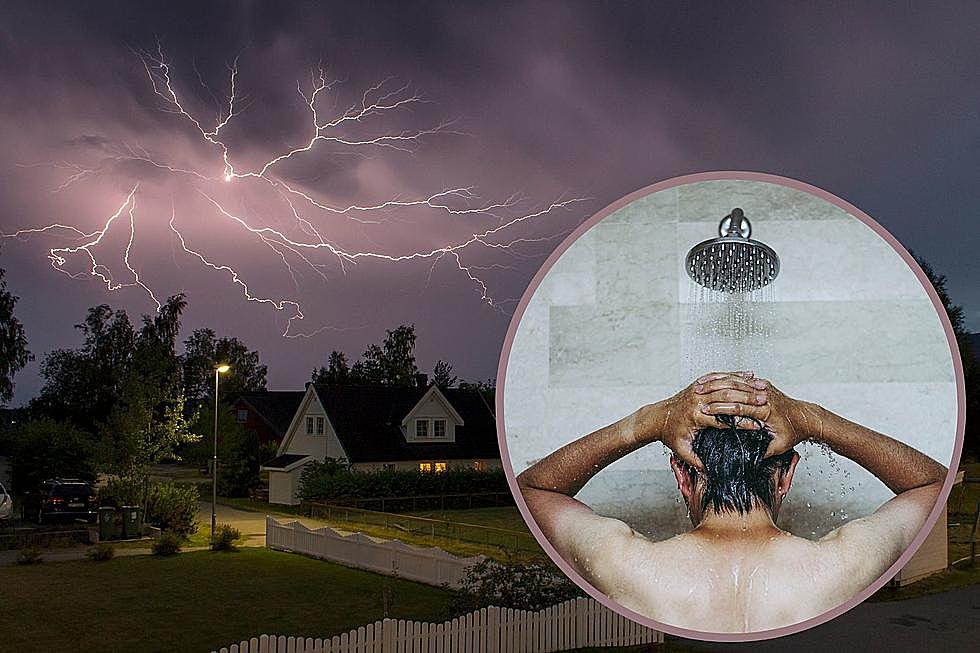
Yep, you got it. Water and metal! When lightning strikes your house, or even near your house, that electrical current is looking for the fastest, easiest path to the ground. And unfortunately for your hygiene routine, your home’s plumbing system can be a superhighway for that electricity. We’re talking about copper pipes, water lines, all that jazz. It’s like a VIP lane for lightning.
The Nitty-Gritty: How Does Lightning Get You?
Think about it: most homes have a robust network of pipes. If lightning strikes your house, or the ground near it, that charge can travel through the ground into your home’s electrical system, or more directly, into your plumbing. And once it’s in the pipes, that current can travel right to where you’re standing, blissfully unaware, under a stream of water.
So, you’re standing in the shower, probably belting out your favorite tunes, and suddenly, BZZZZT! A shock. Maybe a small jolt, or potentially something much, much worse. It's not a direct strike to you, but rather the current finding a path through your body to the ground. Yikes! That’s definitely not the kind of "invigorating" shower experience you're looking for, right?
So, Is It Like, Really Dangerous?
Now, let’s be clear: the odds of this actually happening to you are relatively slim. Lightning strikes are somewhat rare, and a direct hit to your plumbing system that then zaps you in the shower is even rarer. But when it does happen, the consequences can be pretty severe. We’re talking burns, cardiac arrest, neurological damage – the whole kit and caboodle of “really bad things.”
So, while it’s not an everyday occurrence, it’s also not a “never happens” scenario. The Centers for Disease Control and Prevention (CDC) even advises against it! When the experts say “don’t,” it’s probably a good idea to listen. Especially when the alternative is, you know, being electrocuted while trying to get clean.
What About Fancy New Houses with PVC?
“But what about my super modern house?” you might be wondering. “I have plastic pipes! PVC, baby!” Good point! Homes with all-plastic (PVC) plumbing might be a little safer since plastic isn't a good conductor of electricity. However, even with PVC, the water itself can still conduct electricity.

Plus, many homes still have some metal components in their plumbing, especially if they’re connected to a municipal water system or have a water heater with metal elements. So, while it reduces the risk, it doesn't completely eliminate the danger. Better safe than sorry, even if you’re living in a futuristic, all-plastic pipe wonderland.
The Bottom Line: What Should I Actually Do?
Honestly? When you hear that thunder start to rumble, and the sky puts on its angry face, just hold off on the shower. It’s really not worth the risk, however small. A little bit of greasy hair for an hour or two isn't going to kill you, but a rogue lightning strike just might!
The safest thing to do during a thunderstorm is to avoid contact with anything that conducts electricity. That means staying away from plumbing (sinks, baths, showers), landline phones (unplug them if you still have one!), and unplugging major electronics. Basically, pretend you’re camping, but inside your house. Embrace the wilderness, my friend.
Beyond the Shower: Other Thunderstorm No-Nos
While we're on the subject, remember other things like washing dishes, doing laundry, or even just touching a faucet can also put you at risk if your home’s plumbing is struck. So, during a severe storm, it's best to postpone all water-related activities until at least 30 minutes after the last clap of thunder or flash of lightning.
That 30-minute rule is key! Just because the rain has stopped doesn't mean the danger has passed. Lightning can strike miles away from the actual storm clouds. Sneaky, right?
Wrap-Up: Your Safety First!
So, there you have it! Next time a thunderstorm rolls in, and you get that inexplicable urge for a cleansing shower, remember our little chat. It’s better to be a tiny bit stinky than to risk a truly shocking experience. Your safety, and peace of mind, are far more important than sparkling clean hair at that particular moment. Stay dry, stay safe, and enjoy the storm from a safe distance! Maybe put on a face mask instead?