Can You Start A Car While Battery Is Charging
Ever find yourself staring at your car, its lights dim, the engine refusing to turn over? It's a situation we've all likely faced, or at least dread encountering: a dead or dying car battery. And the immediate instinct is often to hook it up to a charger. But then the question pops up: Can you just jump in and start the car while the battery is getting a boost? It's a surprisingly common question, and the answer, while seemingly straightforward, involves a bit of nuance. Let's dive in and explore!
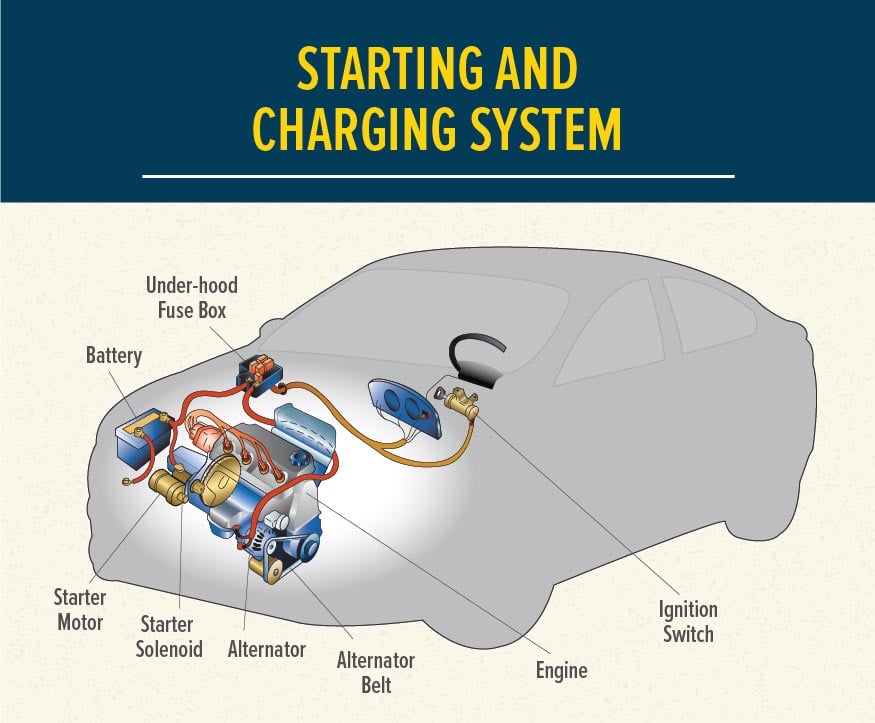
The primary purpose of a car battery charger is, as the name suggests, to recharge a depleted battery. It provides a controlled flow of electricity to replenish the energy stored within the battery's cells. Now, think of your car's electrical system as a complex network. The battery is a key component, acting as a reservoir of power that's crucial for starting the engine and running accessories when the engine isn't generating power (like the radio or interior lights when parked). The alternator, driven by the engine, takes over this role once the car is running, continuously recharging the battery and powering the electrical system.
So, can you start the car while charging? Generally, no, you shouldn't. Here's why: most consumer-grade battery chargers are designed to provide a relatively low current for charging. Attempting to start the car demands a massive surge of current – far more than the charger is designed to deliver. Trying to draw that level of power can overload the charger, potentially damaging it or even creating a safety hazard. The charger simply isn't built to handle the starting load.
Must Read
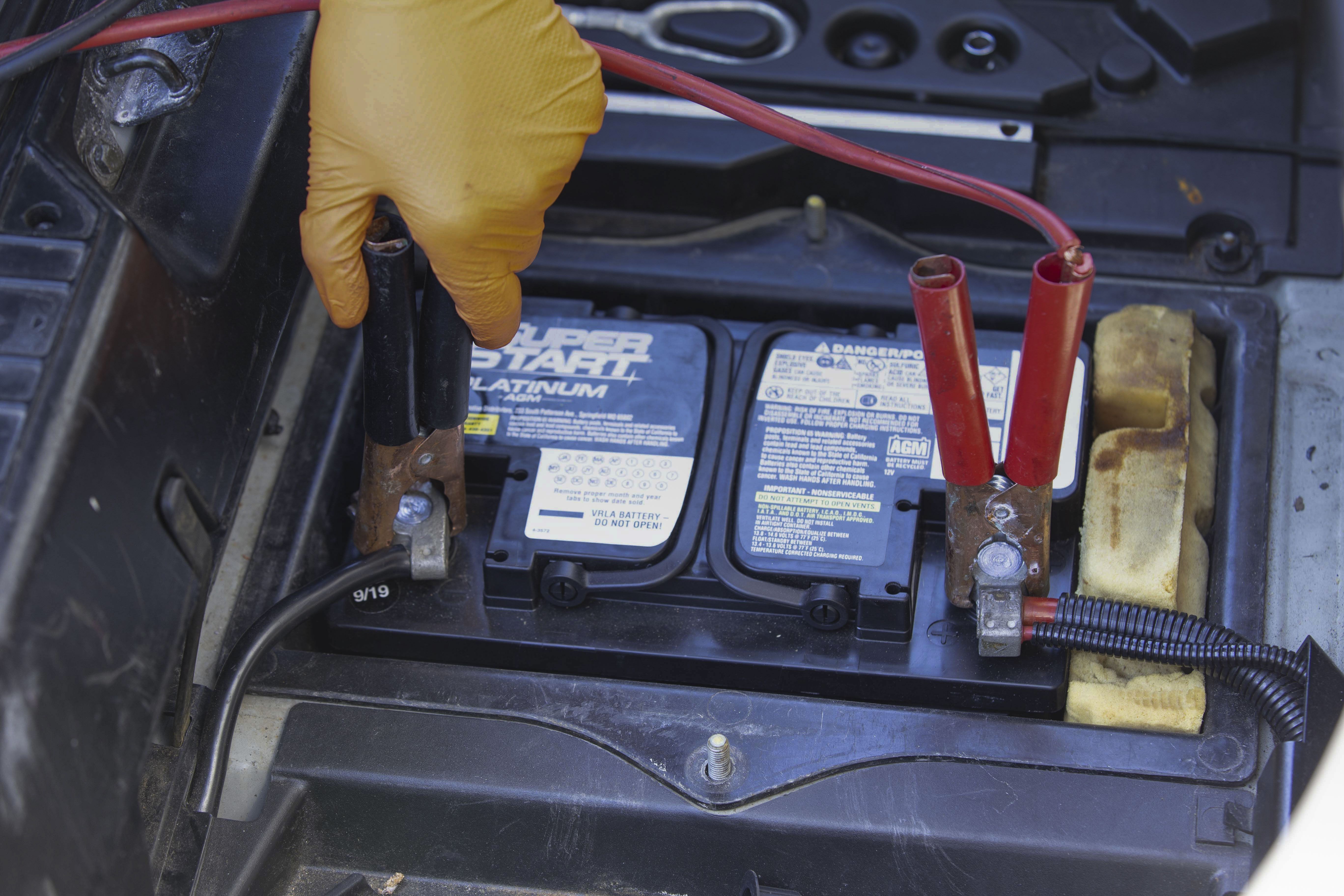
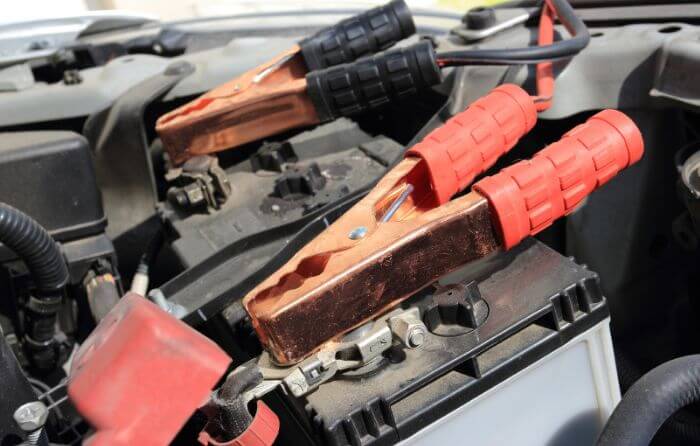
However, there's a slight exception. Some heavy-duty chargers, often referred to as "jump starters" or "boosters," are specifically designed to deliver a high current surge for starting a car with a dead battery. These devices typically have a "boost" or "start" mode that provides the necessary amperage to crank the engine. But even with these, it's crucial to carefully read the manufacturer's instructions. They will specify the correct procedure for using the boost function, including any waiting period after connecting the charger before attempting to start the car.
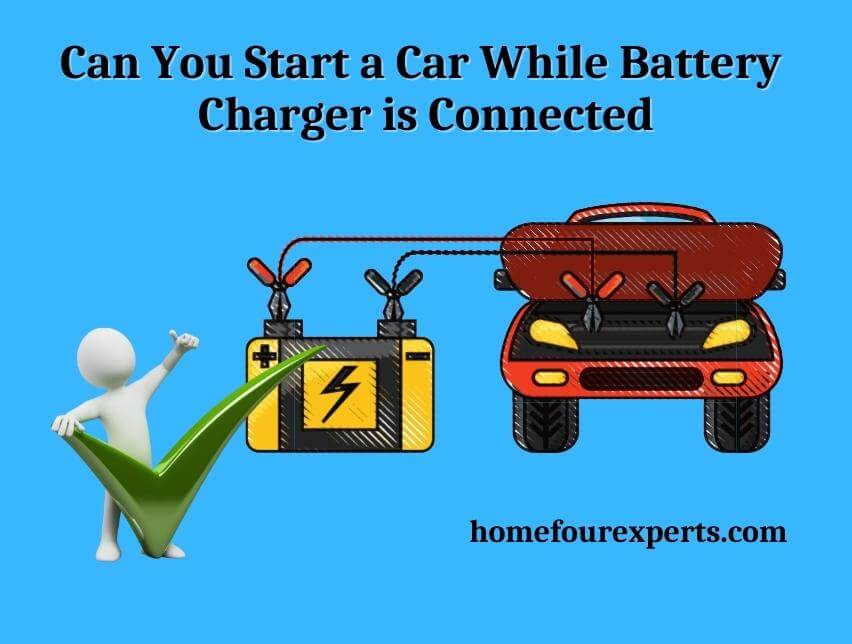
In everyday life, understanding this difference can save you time, money, and potential frustration. Imagine you're a student learning about electrical circuits and power demands. Understanding why a small charger can't start a car highlights the importance of matching power sources to the required load. Or, consider a scenario where you're stranded with a dead battery. Knowing that you need a jump starter (or another car) instead of just a regular charger can help you make the right decision and get back on the road faster. The simple example of a car battery and charger showcases real-world applications of electrical concepts.
A simple way to explore this further is to research different types of car battery chargers online. Look at their specifications, paying close attention to the charging current and whether they have a "boost" function. You could also watch videos demonstrating the proper use of jump starters. The key takeaway is to treat your car battery charger with respect and always prioritize safety by following the manufacturer's guidelines.