
Can You Refreeze I C E Cream
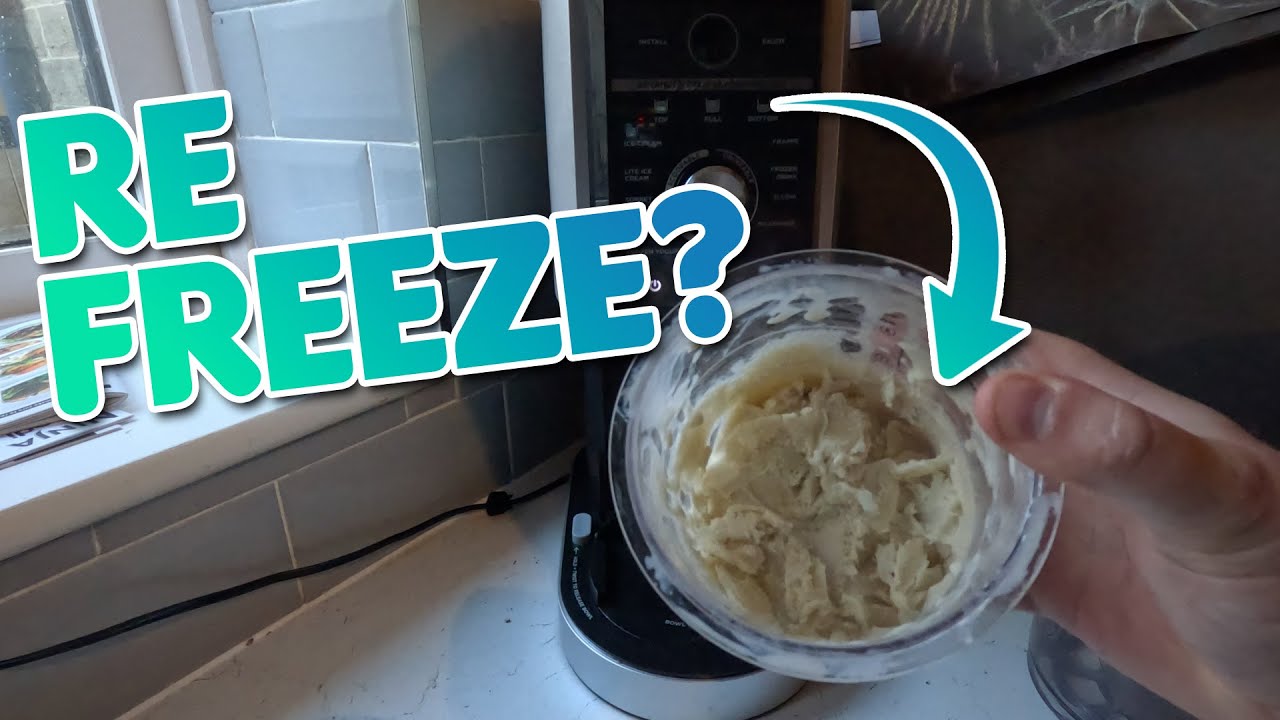
Ah, the age-old dilemma. You’ve just finished a glorious dinner, the kind where elastic waistbands suddenly feel like a brilliant invention. And then, the call of the freezer: ice cream. You scoop out a generous portion, maybe even two (we’re not judging), but then... life happens. The phone rings, the dog needs an emergency potty break, or you just get lost in the sheer joy of the first few bites, forgetting the rest of the tub is chilling (or not chilling) on the counter.
You return to find a scene that could bring a tear to any dessert lover's eye: a sad, soupy puddle of what was once your glorious frozen delight. A desperate thought sparks: "Can I save it? Can I just... shoo it back into the freezer and pretend this never happened?"
The Great Ice Cream Refreeze Debate: Yes, But…
The short answer, my friend, is a resounding yet cautious "Yes, you can refreeze it," but much like trying to fit into your jeans after a holiday feast, it might not be quite the same experience. It’s a bit like giving your favourite fluffy blanket a really rough wash; it’s still a blanket, but that glorious softness might be a tad… compromised.
Must Read
Why the hesitation? Because ice cream is a delicate diva. It's an emulsion, a magical blend of fat, sugar, water, and air, all whipped together to create that unbelievably smooth, creamy texture we adore. Think of it like a carefully constructed sandcastle on a breezy beach – beautiful, but easily disturbed.
When ice cream melts, that delicate structure goes a bit haywire. The tiny air pockets, which are responsible for its lightness and scoopability, escape like teenagers sneaking out of the house. The water molecules, usually well-behaved and evenly dispersed, decide to throw a party and clump together. When you refreeze it, these water molecules re-crystallize, often forming larger, crunchier ice crystals.

Imagine a fluffy cloud of freshly fallen snow. Now imagine that snow after it's melted into a puddle, then refrozen into a solid block of ice. That's kind of what happens to your poor ice cream. That smooth, silky texture that melts on your tongue? It often gets replaced by something a little more... grainy, a little less luxurious. Like trying to chew on a tiny glacier. It's still ice cream in spirit, but it's lost a little of its sparkle, a little of its joie de vivre.
When a Quick Comeback is Okay
Now, let’s be fair. If your ice cream has only just started to get a bit soft around the edges – you know, that perfect "just-scoopable" stage that lasts about 30 seconds before gravity really kicks in – then pop it back in! Quickly! That's like pressing pause on a minor crisis. The damage is minimal, and it'll likely recover quite well, ready for its next starring role. We've all been there, hovering over the freezer, willing it to harden faster, haven't we?
Think of it as a brief power nap for your ice cream. A little rest and it’s good to go. The key here is speed. The less time it spends in its melted state, the less chance those naughty water molecules have to bond into giant ice crystals.
When It’s Time to Wave the White Flag (Food Safety Edition)
But if it's been sitting out for, say, an hour or two, looking more like a milkshake that's given up on life, and you're contemplating refreezing it? Hold your horses, cowboy. We're now venturing into the Wild West of food safety. While ice cream is pasteurized, letting it hang out at room temperature for too long is like sending out an open invitation for unwelcome guests (bacteria) to set up camp. Think of it as leaving a picnic basket out on a scorching summer day. You wouldn't eat those potato salad leftovers, would you?
The general rule of thumb for any perishable food is to avoid leaving it in the "danger zone" (between 40°F and 140°F, or 4°C and 60°C) for more than two hours. So, if your ice cream has reached full-on liquid status and been chilling on the counter for a while, it’s probably best to enjoy it as a delicious, impromptu milkshake now, or (sadly) bid it a fond farewell. Safety first, even when it comes to dessert.

Tips for the "Must-Refreeze" Moments
So, if you must refreeze, and it's only just melted into a glorious soft serve situation:
- Act Fast: Speed is your superpower here. Get it back into the coldest part of your freezer pronto. The quicker it freezes, the smaller those dreaded ice crystals will be.
- Seal It Up: Transfer it to an airtight container. This helps prevent freezer burn (which makes things taste weird) and those pesky ice crystals from forming quite so aggressively on the surface. No one wants ice cream that tastes like the inside of a freezer bag.
- Don't Stir: Resist the urge to stir it. This just incorporates more air (which is good for initial churn, bad for melted stuff) and could potentially make the texture worse. Just let it be.
The Sweet Conclusion
Ultimately, refreezing ice cream is a bit like reheating pizza. It's still pizza, it’ll get the job done, but it's never quite as glorious as that fresh-from-the-oven slice. So, next time you're faced with a melting puddle of sugary joy, weigh your options. Is it worth the textural compromise for another scoop? Sometimes, absolutely! Especially if it's just a little soft.
But if it's a full-on liquid situation, maybe it's a sign to just enjoy a delicious, impromptu milkshake. Because even a melted ice cream is still pretty darn good, right? Go forth, my friend, and conquer your creamy dilemmas with wisdom, speed, and perhaps a backup tub in the freezer!
