Can You Plug In A Surge Protector Into Another

Let's face it, we all love our gadgets. From smartphones and laptops to TVs and gaming consoles, our lives are increasingly powered by electricity. And with that power comes the ever-present concern of power surges – those sudden, unexpected spikes in voltage that can fry our precious electronics. That's where surge protectors come in, acting as silent guardians, standing between our devices and electrical doom.
Surge protectors are designed to absorb excess voltage, diverting it away from your sensitive electronics. Think of them as electrical lifeguards, ready to jump in and save the day when a power surge threatens to drown your gadgets. The benefit is simple: they protect your investments from damage, potentially saving you hundreds, even thousands, of dollars in replacement costs. They also offer peace of mind, allowing you to use your devices without constantly worrying about a sudden power surge ruining your day.
You see surge protectors everywhere: in homes, offices, and even public places like libraries and coffee shops. They come in various forms, from power strips with built-in surge protection to wall-mounted units and even whole-house surge protectors. People use them to protect their computers, televisions, home theater systems, kitchen appliances, and anything else plugged into an electrical outlet. Imagine a lightning storm rolling through, and you're comfortably watching a movie, knowing your valuable electronics are safe, thanks to that unassuming surge protector plugged into the wall.
Must Read
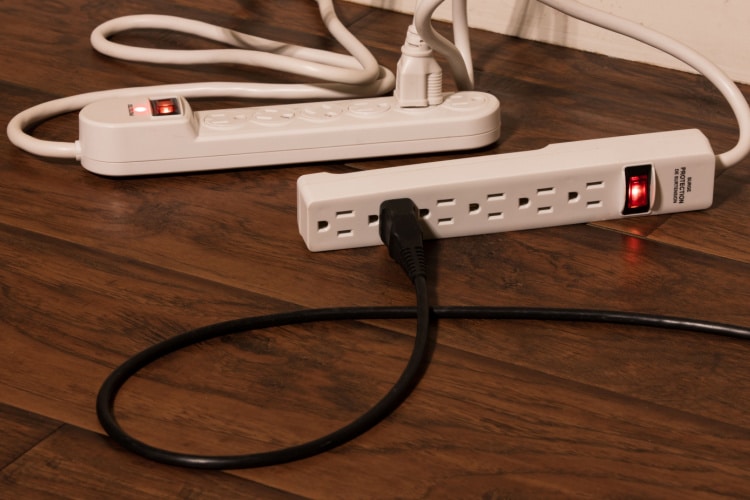
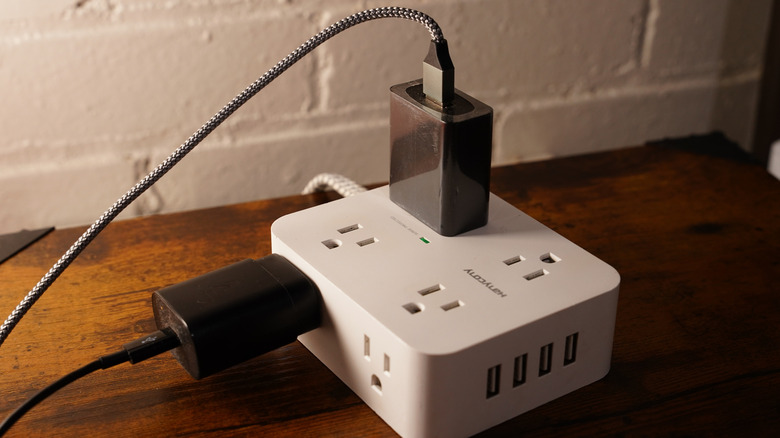
But what happens when you run out of outlets? The temptation arises: can you plug a surge protector into another surge protector, creating a daisy chain of electrical defense? This is where things get tricky. While it might seem like a convenient solution, it's generally not recommended. Why? Because it can overload the circuit.
Each surge protector has a maximum amount of energy it can absorb, measured in joules. When you daisy-chain surge protectors, you're essentially increasing the load on the first surge protector in the chain. If a large surge occurs, the first surge protector might be overwhelmed, potentially failing and leaving your devices unprotected. In extreme cases, it could even lead to a fire hazard.
So, how can you enjoy surge protection more effectively without resorting to dangerous daisy-chaining? Here are a few practical tips:
- Use high-quality surge protectors: Invest in surge protectors with a high joule rating. This indicates their ability to absorb larger surges.
- Check the surge protector's indicator light: Many surge protectors have an indicator light that tells you if they're still functioning properly. If the light is off, it's time to replace the surge protector.
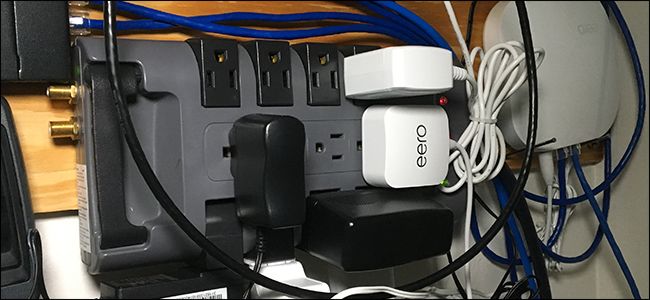
- Avoid overloading outlets: Don't plug too many devices into a single outlet, even with a surge protector. Consider using multiple outlets or having an electrician install additional outlets.
- Consider a whole-house surge protector: For comprehensive protection, consider installing a whole-house surge protector at your electrical panel. This protects all the electrical devices in your home from surges originating outside the house.
- If you need more outlets, use a power strip without surge protection: Plug the power strip into the surge protector. This gives you more outlets without compounding the surge protection issue.
In conclusion, surge protectors are essential for protecting our electronic devices, but it's important to use them correctly. Avoid daisy-chaining surge protectors and follow the tips above to ensure your devices are safe and sound. By understanding the limitations and using them responsibly, you can keep your gadgets humming along happily for years to come.