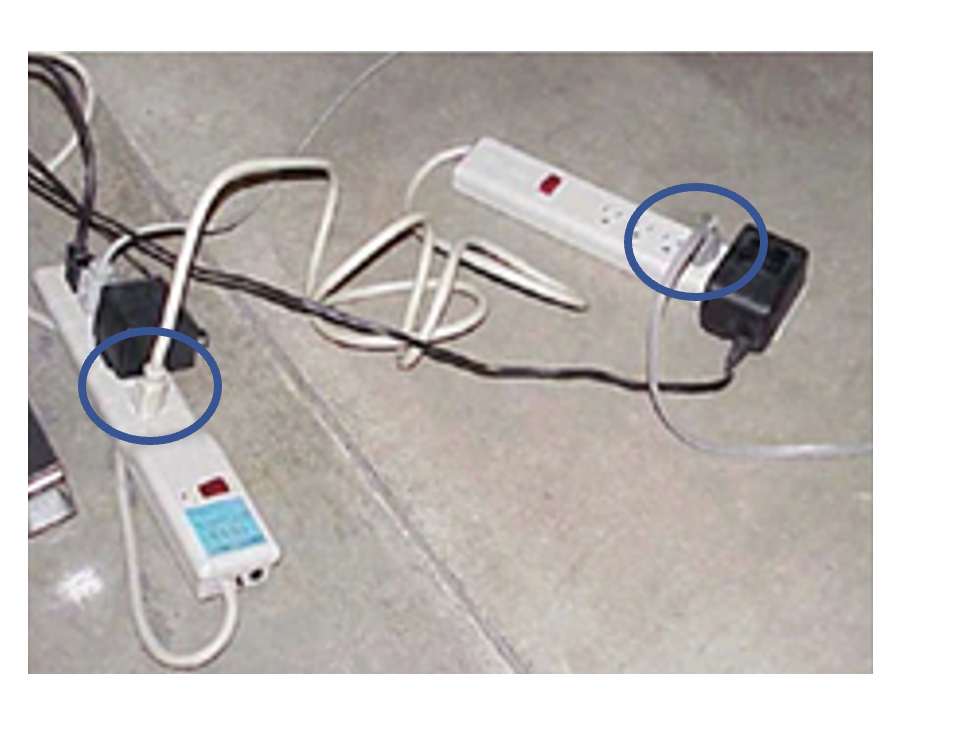
Can You Plug An Extension Cord Into A Power Strip
Hey there! So, you're pondering a question that's plagued many a household, haven't you? Can you plug an extension cord into a power strip? It's like the age-old question: chicken or the egg? Except, potentially more… electrifying. Get it?
Seriously though, let's get down to brass tacks. The short answer? Probably not a good idea. But, as with most things in life, there's a bit more to it than a simple yes or no. Buckle up; it's about to get… electrifyingly interesting! (Okay, I'll stop with the electricity puns… mostly.)
Why You Might Be Tempted (And Why You Shouldn't)
Look, we've all been there. You've got a power strip already straining under the weight of your electronics – laptop, phone charger, desk lamp, that weird singing fish you got as a gag gift (we don’t judge!). And then, BAM! You realize you need more outlets! The desperation is real. So, you eyeball that lonely extension cord and think, "Aha! Solution!"
Must Read
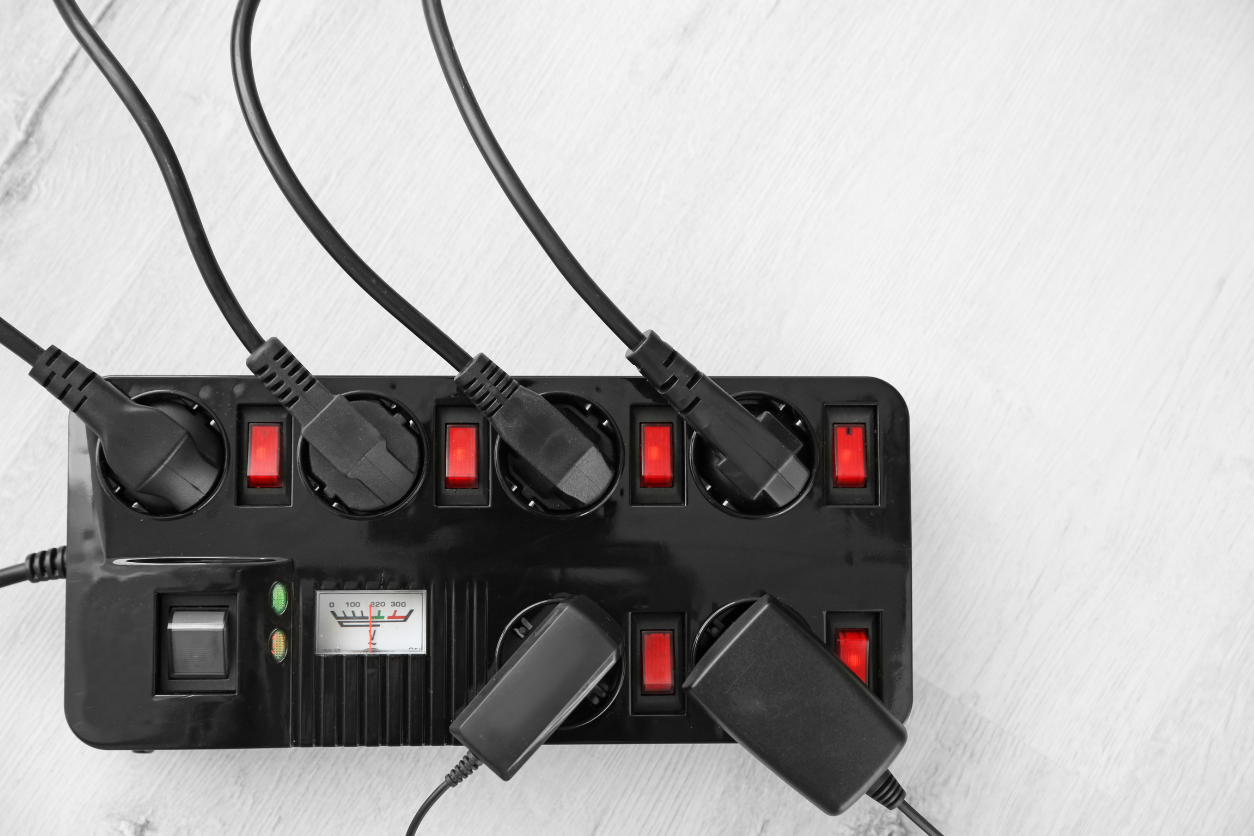
But hold on a sec! Plugging an extension cord into a power strip is basically like creating a power octopus with a serious addiction to electricity. And that can lead to problems, folks. Big, potentially fiery problems.
The "Christmas Tree Effect" (And Why It's Bad)
Think of it like those Christmas lights you string together, end to end, that one year you went a little overboard. Remember how the last few bulbs were always super dim? That's because the power was spread too thin! Same concept here, only instead of dim bulbs, you risk overloading the circuit.
Power strips, and even extension cords, have a maximum amperage they can handle. It's like a weight limit on an elevator. Exceed it, and… well, things get ugly. You risk tripping the circuit breaker (inconvenient), or worse, starting a fire (extremely inconvenient!).
Now, you might be thinking, "But I'm only plugging in a phone charger and a small fan!" That might be true. But every device draws power, and it adds up faster than you think. It's the cumulative effect that's the real danger.

So, What Can You Do?
Alright, alright, I’ve painted a scary picture. But don't despair! You're not doomed to a life of outlet inadequacy. Here are a few safer options:
- Use a longer extension cord directly into the wall outlet. This is usually a better solution than daisy-chaining cords together.
- Invest in a power strip with a higher surge protection rating. Just make sure you understand what its limits are, and don't exceed them!
- Call an electrician. Okay, maybe this is a bit extreme for a single extra outlet. But if you consistently need more power, it's a sign your electrical system might be outdated or insufficient. They can install new outlets or upgrade your electrical panel. Think of it as an investment in your safety and the future of your singing fish!
The Bottom Line (In Big, Bold Letters)
Just because you can do something doesn't mean you should. Plugging an extension cord into a power strip is generally a bad idea. It increases the risk of overloading circuits and causing a fire. Play it safe, folks. Your electronics (and your house!) will thank you for it.
Think of it this way: would you trust a stranger to juggle flaming torches while riding a unicycle on a tightrope? Probably not. So, why risk playing electrician when you don't have to? Safety first, my friend!
Now, if you'll excuse me, I'm going to unplug a few things… just to be on the safe side. Better safe than sorry, right?