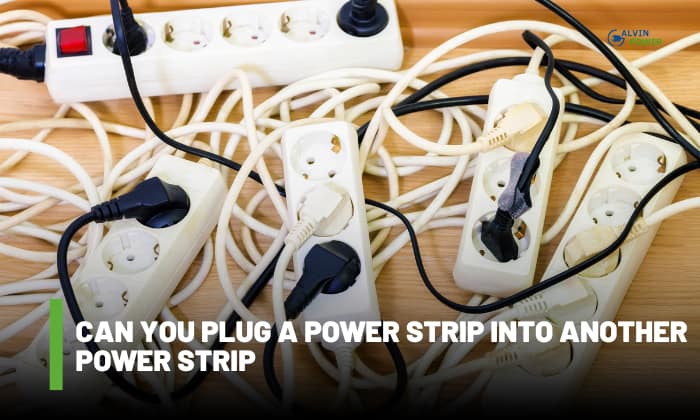
Can You Plug A Surge Protector Into A Power Strip

Hey there, friend! Ever feel like you're playing a high-stakes game of electrical roulette when plugging in your devices? I know I have. You've got your phone, your laptop, maybe even that adorable little humidifier shaped like a cloud (mine's named Nimbus, by the way). All vying for precious outlet space. And that’s when the power strip and surge protector come to the rescue...or do they?
Let's dive into a question that's probably crossed your mind: Can you plug a surge protector into a power strip? The short answer? It's generally not a good idea. Let's explore why, and I promise, it’s less about lecturing and more about keeping your gadgets (and maybe your house!) safe and sound.
The Outlet Oasis: Power Strips and Surge Protectors
First, let's clarify what these devices actually do. Think of a power strip as a simple extension cord on steroids. It takes one outlet and multiplies it into several. It's like that friend who always brings extra snacks to the party – a lifesaver when you're running low on juice (pun intended!). However, a power strip's sole mission is to provide more outlets; it doesn’t inherently offer protection against power surges.
Must Read
Now, a surge protector is the bodyguard of your electronics. It's designed to shield your devices from voltage spikes – those sudden, unexpected surges of electricity that can fry your beloved gadgets. Imagine a rogue wave suddenly hitting your electronics, and the surge protector is there to take the brunt of it.
Why “Stacking” is a No-Go
So, what's the issue with plugging a surge protector into a power strip? Well, it comes down to something called daisy-chaining. Essentially, you’re creating a chain of electrical distribution, and that chain can become a weak link.

Imagine you're making a chain of paperclips. Each paperclip represents a connection point. If you add too many paperclips, the chain becomes long and unstable. It's much more likely to break, right? The same principle applies to electrical devices.
Here’s the core problem: overloading. Power strips and surge protectors have a maximum amount of electricity they can safely handle (usually measured in amps or watts). Plugging a surge protector into a power strip and then plugging a bunch of devices into both can easily exceed that limit. This could cause the power strip to overheat, potentially leading to a fire.
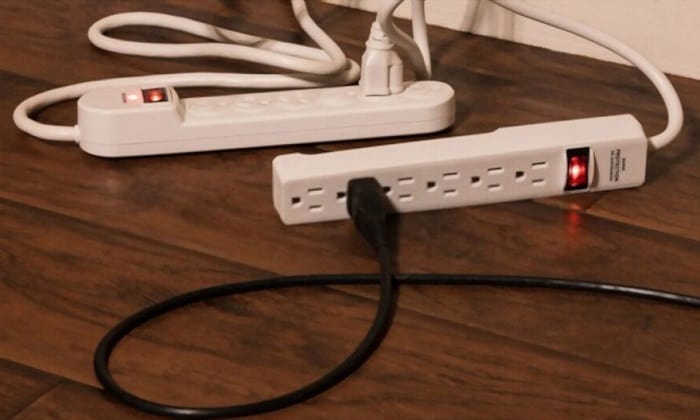
Think of it like this: Imagine you have a garden hose (the power strip). You attach another garden hose to it (the surge protector). Then you attach multiple spray nozzles (your devices) to the second hose. The water pressure might become too much for the initial hose, causing it to burst. Electrical current behaves similarly.
What Could Happen? (Spoiler: None of it is good)
So, what are the actual risks of daisy-chaining power devices?
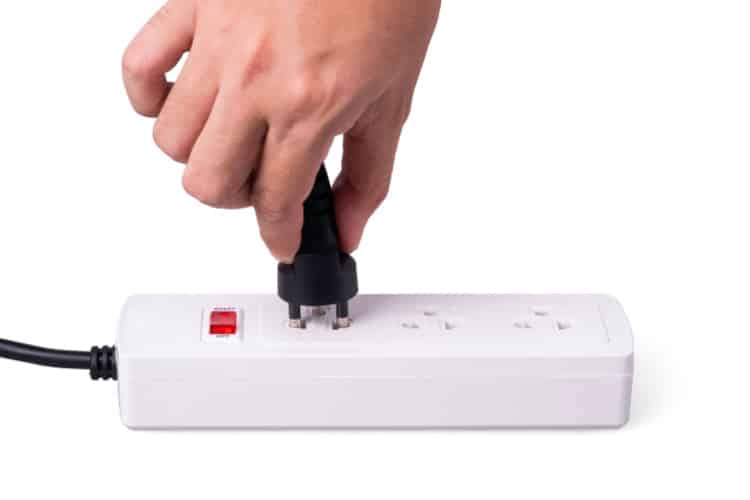
- Overheating and Fire Hazard: This is the biggest concern. Too much current flowing through the power strip can cause it to overheat and potentially ignite.
- Damaged Electronics: Even if a fire doesn't break out, an overloaded power strip can deliver inconsistent power to your devices, potentially damaging their internal components.
- Reduced Surge Protection: Connecting a surge protector to a power strip can sometimes compromise the effectiveness of the surge protector. It might not be able to handle surges as effectively as it would if plugged directly into the wall.
The Safe and Sound Solution
Okay, so what should you do? Here are a few safer alternatives:
- Plug Surge Protectors Directly into Wall Outlets: This is the ideal scenario. It ensures they can provide maximum protection without the risk of overloading a power strip.
- Use Surge Protector Power Strips: These devices combine the functionality of a power strip with built-in surge protection. They're a convenient and safer alternative to daisy-chaining. Make sure to buy one with a reputable brand and a good safety rating.
- Unplug Devices When Not in Use: This simple habit can significantly reduce the risk of overloading your electrical system. It's like giving your outlets a little vacation.
- Consider an Electrician: If you consistently find yourself running out of outlets, consider having an electrician install additional outlets in your home. It's a worthwhile investment in your safety and convenience.
A Little Extra Tip
And hey, here’s a pro-tip: Check the wattage or amperage of your devices before plugging them in. Add up the wattage of all the devices you plan to plug into a single outlet or power strip and make sure it doesn't exceed the maximum rating of the outlet or power strip.
So, there you have it! While it might seem convenient to plug a surge protector into a power strip, it's generally best to avoid it. By taking a few simple precautions, you can keep your devices safe, your home protected, and your peace of mind intact. Now, go forth and conquer those outlets… responsibly!