Can You Mig Weld With 100 Argon
Ever dreamt of joining metal, creating something sturdy and permanent with a flash of light and a steady hand? MIG welding is a bit like magic in that regard, making it a
For beginners, understanding your shielding gas is like knowing which brush to use for different paints – it makes all the difference! For seasoned hobbyists, exploring gas options can unlock new possibilities and help you tackle materials you once thought were out of reach. Families and DIY enthusiasts will find this knowledge incredibly valuable for everything from repairing a wobbly garden gate to building custom furniture or even creating unique metal art. It's about getting cleaner, stronger welds and avoiding frustrating mistakes, making your projects more enjoyable and successful.
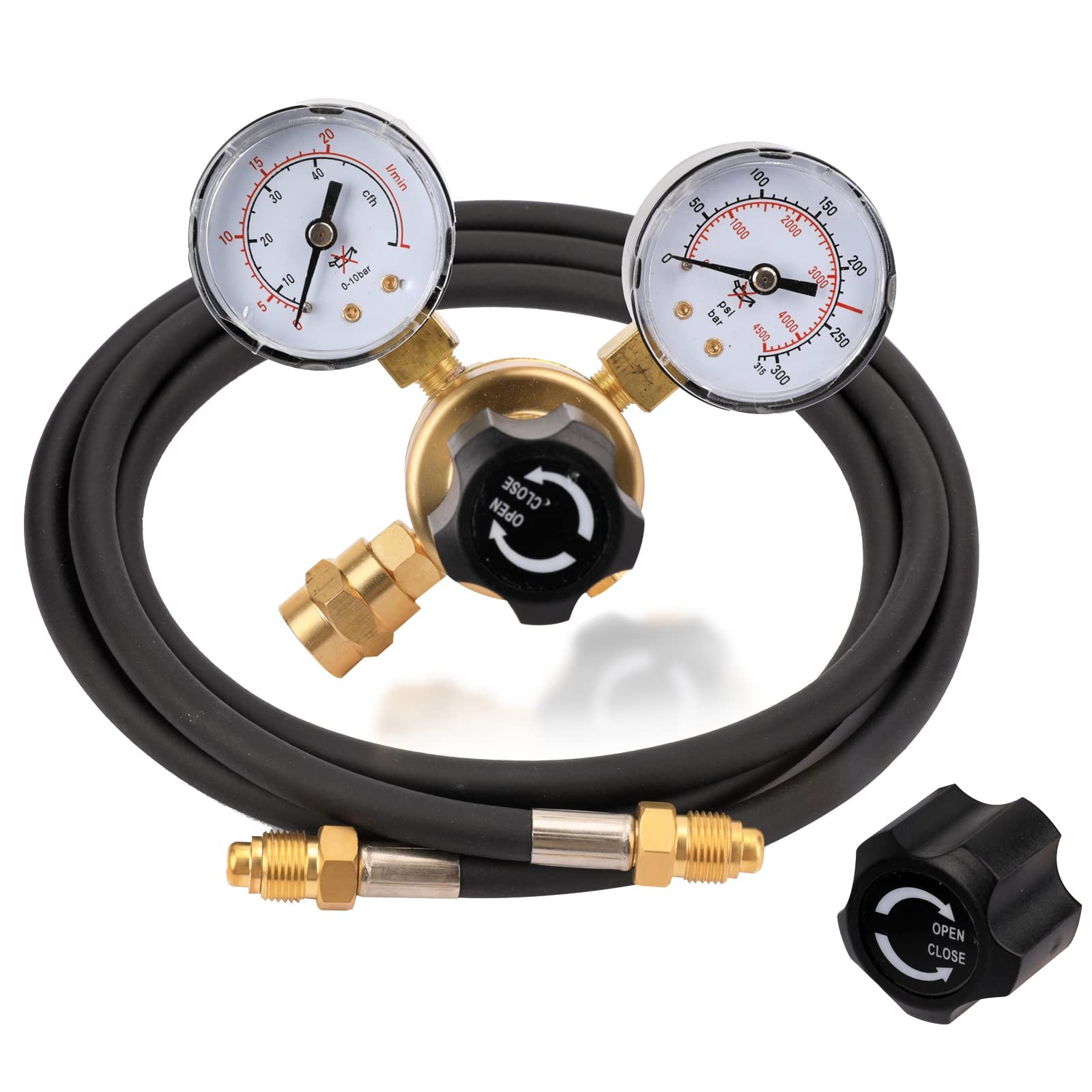
So, to answer the burning question: Yes, you absolutely can MIG weld with 100% Argon! In fact, when you're MIG welding aluminum, 100% Argon is not just an option, it's the standard choice. This pure noble gas provides a very stable arc and excellent cleaning action, which is crucial for aluminum, a metal that forms an oxide layer almost instantly. Without 100% Argon, your aluminum welds would be black, sooty, and weak – a real mess!
Must Read
Now, here's where the "variations" come in: while 100% Argon is fantastic for aluminum, it's generally not recommended for welding steel. If you try to weld steel with pure argon, you'll likely get a wide, shallow bead with lots of spatter and poor penetration. For steel, you'd typically reach for a blend like C25 (75% Argon, 25% CO2) or even 100% CO2 for deeper penetration, as the CO2 helps create a hotter arc and better puddle control on ferrous metals. Understanding this distinction is key to successful welding, preventing frustration and ensuring you get the right results for your material.
Ready to give it a try? Here are some simple, practical tips for getting started with 100% Argon and aluminum MIG welding:
- Safety First! Always wear your welding helmet, gloves, and a long-sleeved jacket to protect yourself from UV rays and spatter.
- Cleanliness is Godliness: Aluminum must be spotlessly clean. Degrease it thoroughly and use a stainless steel brush (dedicated to aluminum only) to remove any oxide layer right before welding.
- Use the Right Wire: You'll need aluminum MIG wire, typically 4043 or 5356, matched to your base metal. Ensure your machine has U-groove rollers and a Teflon liner to prevent the soft aluminum wire from kinking.
- Push the Puddle: Unlike steel where you often "pull" the weld, with aluminum, you typically "push" the torch, aiming the arc into the leading edge of the puddle.
- Practice, Practice, Practice: Start on scrap pieces to dial in your settings (voltage, wire speed) and get a feel for the unique characteristics of welding aluminum.
Learning about shielding gases might seem technical, but it’s really about equipping yourself with the right tools for the job. Mastering 100% Argon for aluminum welding opens up a whole new world of projects, from custom car parts to lightweight structures. There’s immense satisfaction in creating strong, clean welds, and knowing you’ve chosen the perfect gas for the task at hand makes the process even more rewarding. Happy welding!