
Can You Leave A Generator Outside In The Rain

Okay, picture this: the power's out, the fridge is starting to sweat, and you're staring at your trusty generator like it's the answer to all your problems. Which, let's be honest, it kinda is! But then you glance out the window and BAM! Rain. Buckets of it. Suddenly, that triumphant feeling deflates faster than a punctured bouncy castle. The question pops into your head, echoing in the stormy silence: Can I leave my generator outside in the rain?
The Soggy Situation: Generator Edition
Alright, let's not beat around the bush. The short answer? Leaving your generator exposed to a downpour is generally a bad idea. Imagine your phone taking an unexpected swim in the toilet. Not good, right? Your generator feels the same way about water. Okay, maybe not the exact same way, since generators don't have feelings (as far as we know!), but the consequences are similar.
Think of your generator as a highly caffeinated, slightly grumpy metal box filled with electrical components. Rain and electricity? Not exactly a match made in heaven. In fact, it's more like a recipe for a spectacular, possibly dangerous, and definitely inconvenient disaster.
Must Read
Why Rain is a Generator's Arch-Nemesis
So, what makes rain such a villain in the generator world? Let's break it down:
- Electrocution Hazard: This is the biggie. Water conducts electricity, and a wet generator can become a shocking hazard – literally. You, your family, your pets... nobody wants to be part of that electric slide show!
- Damage to Electrical Components: Rain can seep into the generator's delicate innards, causing corrosion, short circuits, and general mayhem. Think of it as rust's sneaky accomplice.
- Engine Trouble: Water can get into the engine, causing it to sputter, cough, and eventually give up the ghost. It's like trying to run a marathon after eating a whole pizza. Not gonna happen.
Protective Measures: Superhero Gear for Your Generator
Don't despair! Just because your generator doesn't like getting wet doesn't mean it's doomed to a life of indoor confinement. There are ways to protect it from the elements and keep the power flowing safely.
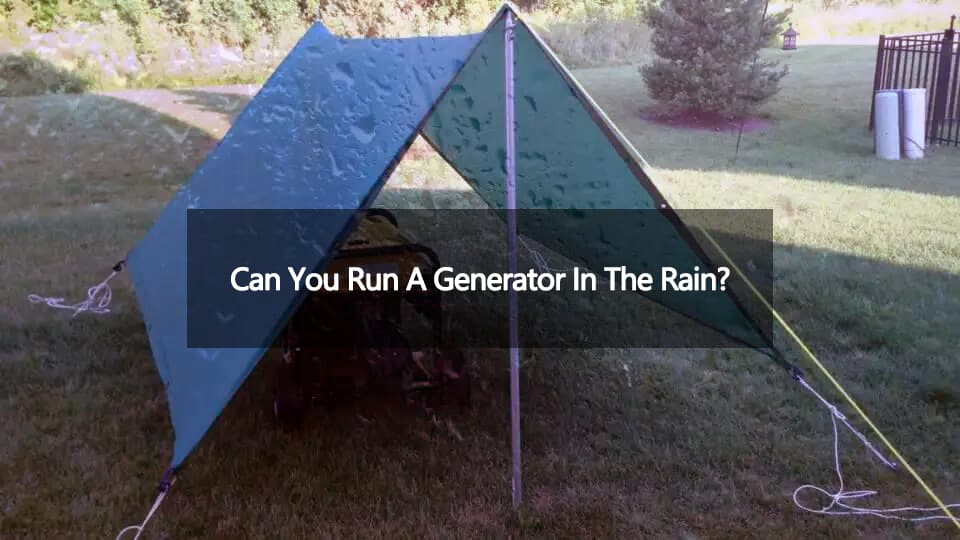
Here are some tried-and-true methods for keeping your generator dry:
- Generator Tents or Shelters: These are specifically designed to shield your generator from rain, snow, and other weather conditions. They're like little weatherproof condos for your power source. Look for ones that are well-ventilated to prevent overheating.
- DIY Solutions: Feeling crafty? You can create a makeshift shelter using plywood, tarps, and some ingenuity. Just make sure your structure is stable, well-ventilated, and doesn't block the generator's exhaust. Remember, carbon monoxide is a silent killer, so proper ventilation is non-negotiable!
- Positioning is Key: If you can't provide complete shelter, try to place your generator under an overhang or in a location that offers some protection from the rain. A patio roof, a wide eave, or even a large tree (be mindful of falling branches!) can provide some much-needed relief.
Common Sense Prevails (As Always!)
Regardless of how you choose to protect your generator, always remember to follow these essential safety tips:

- Never operate a generator indoors or in a partially enclosed space. Carbon monoxide poisoning is a real threat, and it's not worth the risk.
- Keep the generator away from flammable materials. This should be a no-brainer, but it's always worth repeating.
- Let the generator cool down before refueling. Spilled fuel + hot engine = potential disaster.
- Read the manufacturer's instructions carefully. Your generator came with a manual for a reason!
So, can you leave your generator outside in the rain? Technically, you could. But should you? Absolutely not. Treat your generator with respect, protect it from the elements, and it will reward you with reliable power when you need it most. Now go forth and conquer those power outages, armed with knowledge and a healthy dose of common sense! And maybe a good raincoat for yourself, too.
And remember, if you are ever in doubt, consult with a qualified electrician. Don't become a shocking statistic!

