
Can You Jump Start A Car With A Battery Charger

Ever been there? You turn the key, and… nothing. Just a sad, pathetic clicking sound, like a tiny robot giving up on life. Your car battery's dead. We've all been there, staring blankly at the dashboard, wondering if calling a tow truck is your only option. And then, you remember that battery charger you bought ages ago… Can it save the day?
The short answer? It's a little complicated. But don't worry, we'll break it down so even your Aunt Mildred who still thinks the internet is a fad can understand.
The Battery Charger vs. The Jumper Cables: A Tale of Two Tools
Think of jumper cables like a quick energy transfusion from a healthy car to your ailing one. They're designed for a rapid boost, a jolt of power to get your engine started. Imagine it like giving a friend a sugary energy drink when they're about to collapse on a hike. Quick, effective, but not a long-term solution.
Must Read
A battery charger, on the other hand, is more like putting your car on a slow, steady diet of electricity. It's designed to replenish the battery over time, not to provide an immediate burst of power. It's like slowly rehydrating someone with electrolyte water after a marathon. More sustainable, but takes longer.
So, can you jump start a car with a battery charger? Well, not in the traditional "jumper cable" sense. You can't just hook it up and expect the engine to roar to life instantly.
The "Boost" Feature: Your Charger's Secret Weapon
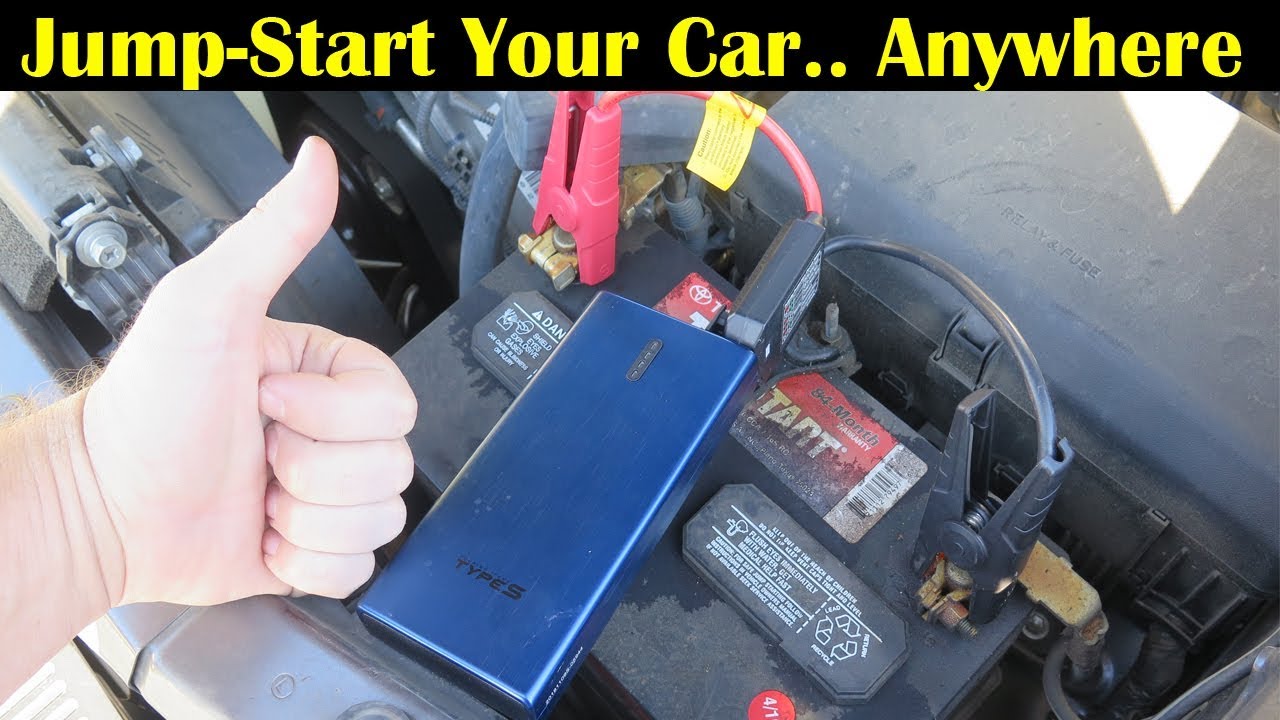
Now, here's where it gets interesting. Some modern battery chargers have a "boost" or "jump start" mode. This mode delivers a much higher amperage than normal charging, allowing you to potentially jump start your car. This is the key feature to look for!
Think of it like this: Your regular battery charger is like a garden hose, gently filling a bucket. The "boost" mode is like turning on a fire hose for a few seconds, enough to give the bucket a quick surge.
But here's the catch: even with a boost feature, it usually takes some time – often 5-30 minutes – to get enough charge into the battery to attempt a start. Patience is key here! Read your charger's manual carefully to understand how the boost function works and how long it needs to charge before attempting to start.

Why This Matters: Avoiding the Tow Truck Tango
Why should you care about this? Simple: because tow trucks are expensive, and waiting for roadside assistance is a drag. Knowing how to potentially jump start your car with a battery charger can save you time, money, and a whole lot of frustration. Imagine being stranded in a grocery store parking lot at dusk, only to remember your charger in the trunk. Suddenly, that dusty gadget becomes your best friend.
Beyond the immediate rescue, regularly using a battery charger to maintain your battery's charge can extend its lifespan. Think of it like giving your car battery a regular spa day. A happy, well-maintained battery is less likely to leave you stranded in the first place.
The Steps to (Potentially) Jump Start with a Charger
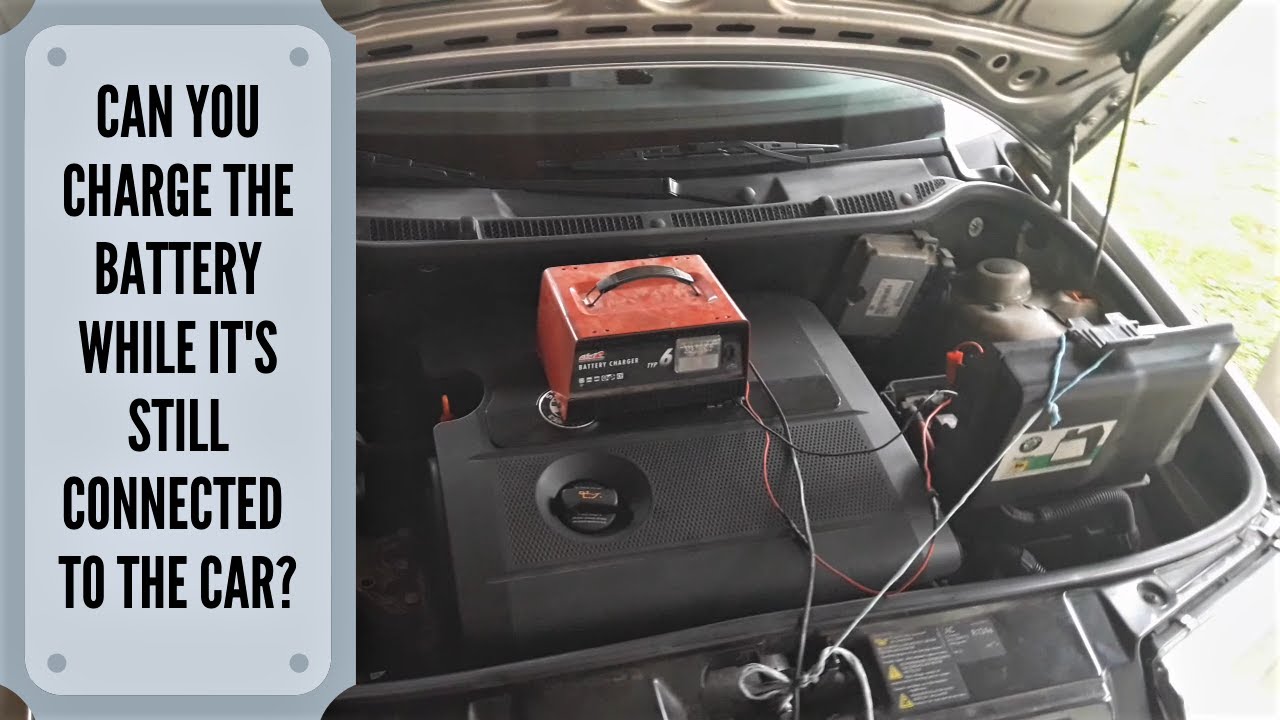
Okay, let's get practical. Here's how to try and jump start your car using a battery charger with a boost function:
- Read the manual! Seriously, every charger is different. Know how your specific charger works.
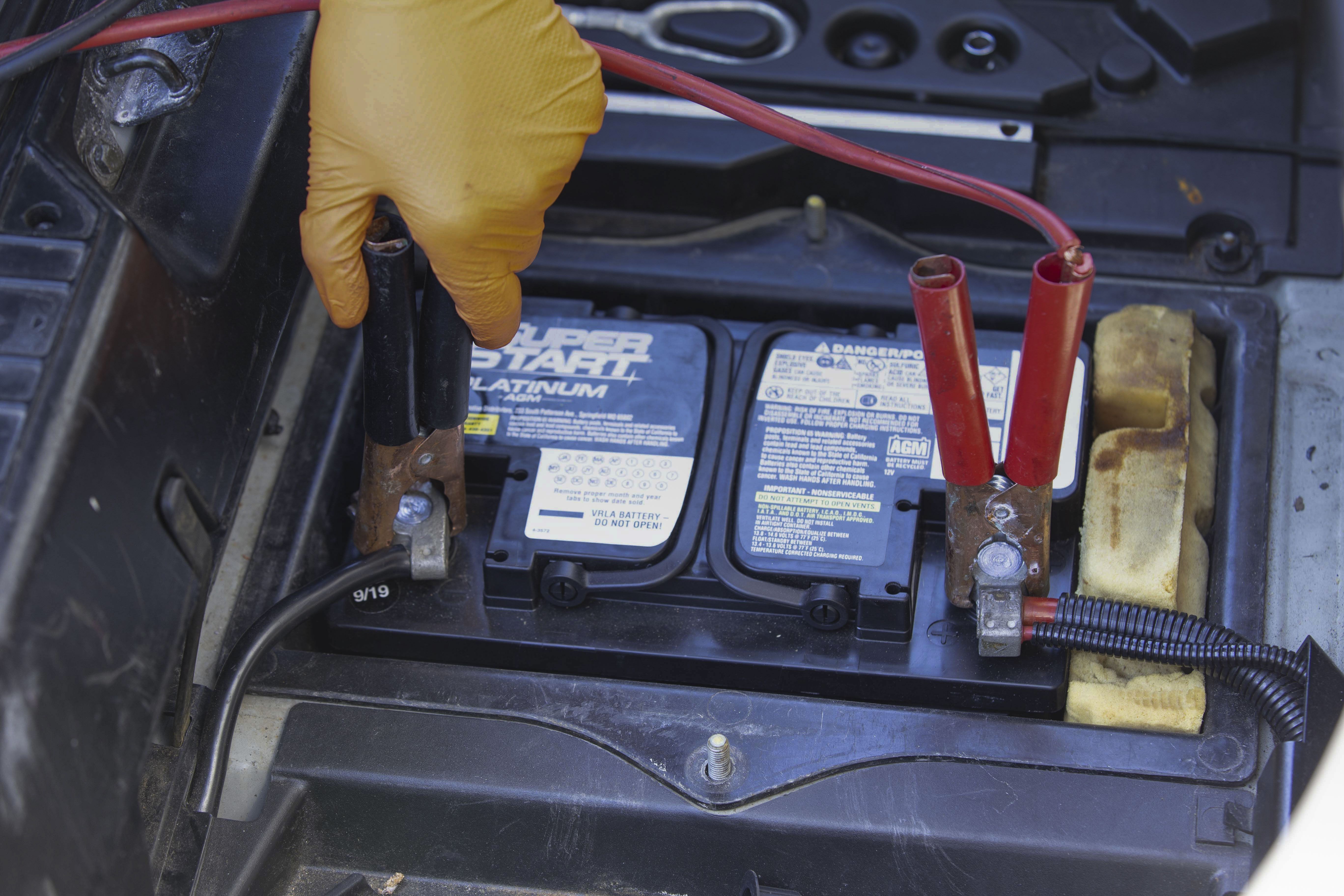
- Connect the charger properly. Red clamp to the positive (+) terminal, black clamp to the negative (-) terminal. Double-check! Getting this wrong can be disastrous.
- Select the "boost" or "jump start" mode. If your charger has it.
- Wait. Let the charger do its thing for the recommended time (usually indicated in the manual).
- Try to start the car. If it starts, congratulations! Let it run for a while to recharge the battery further. If it doesn't start, don't keep cranking the engine. You could damage the starter.
- If it doesn't start after a reasonable charging period, call for help. It might be something more serious than just a dead battery.
Important Caveats and Safety Tips
Safety first! Batteries contain acid and can produce explosive gases. Always wear safety glasses and gloves when working with a battery. Make sure the area is well-ventilated.
Not all batteries can be saved. If your battery is old, damaged, or completely dead (like, really dead), a charger might not be able to revive it. Sometimes, a new battery is the only answer.
Don't rely on this as a guaranteed fix. It's more of a "Hail Mary" play. If it works, great! If not, you've lost nothing.
If in doubt, consult a professional. Your local mechanic can diagnose the problem and recommend the best course of action.
In conclusion, while you can't exactly jump start a car with every battery charger, a charger with a boost function can be a lifesaver in a pinch. Understanding the difference between a charger and jumper cables, and knowing how to use your charger's boost mode safely, can empower you to tackle those frustrating dead battery moments with confidence. Plus, it's a great story to tell at your next family gathering, even if Aunt Mildred still doesn’t believe in the internet.