
Can You Heat Above Ground Pool

So, you’ve got that sparkling jewel of an above-ground pool sitting in your backyard. It looks amazing, doesn’t it? A perfect oasis… except for one tiny, little detail. When you dip a toe in, it feels less like a tropical lagoon and more like an ice-bucket challenge! Brrr!
You’re probably wondering, with a shiver, “Can I actually warm this thing up? Or am I destined for goosebumps every summer?” Well, my friend, I’m here to tell you, with a big, warm hug of an answer: YES, you absolutely can heat your above-ground pool! 🎉
Gone are the days of bracing yourself for the plunge. We can ditch the wetsuits and embrace the blissful, comfortable soak. Let’s dive into how you can turn your chilly puddle into a cozy paradise.
Must Read
Why Bother Heating Your Pool, Anyway?
Good question! Besides avoiding hypothermia, heating your pool means:
- A Longer Swim Season: You can open earlier in spring and close later in fall. More swim time? Yes, please!
- More Enjoyable Swims: No more tip-toeing in! Just a pleasant, relaxing dip.
- Happy Swimmers: Kids (and adults!) are much more likely to spend hours in a warm pool.
Basically, it transforms your pool from an occasional brave splash zone into a genuine backyard retreat. Who wouldn't want that?
Method 1: The Sunshine Sensation - Solar Covers
Think of a solar cover as a giant, bubble-wrap blanket for your pool. It’s probably the easiest and most budget-friendly way to get started.
How it works: The bubbles trap the sun’s warmth, transferring it to the water, and also prevent heat from escaping overnight. It’s like putting a lid on a pot of soup – keeps it warm!
Pros: Super affordable, uses free solar energy, reduces evaporation (saving water and chemicals!).

Cons: Doesn't heat super quickly or dramatically. You have to take it on and off (a minor chore, but worth it!).
Pro Tip: Even if you get another heater, always use a solar cover! It dramatically boosts efficiency and keeps that warmth in.
Method 2: Solar Panels/Mats - Harnessing the Sun!
Ready to level up your sun-powered game? Solar panels or mats are basically dedicated mini-solar heaters. These usually consist of black tubing or mats that you lay out in a sunny spot (like your roof or a dedicated rack).
How it works: Your pool water is pumped through these sun-drenched panels, where it heats up, and then returns to the pool. It’s a continuous, sun-powered loop!
Pros: Still uses free energy, more effective than just a cover, environmentally friendly.
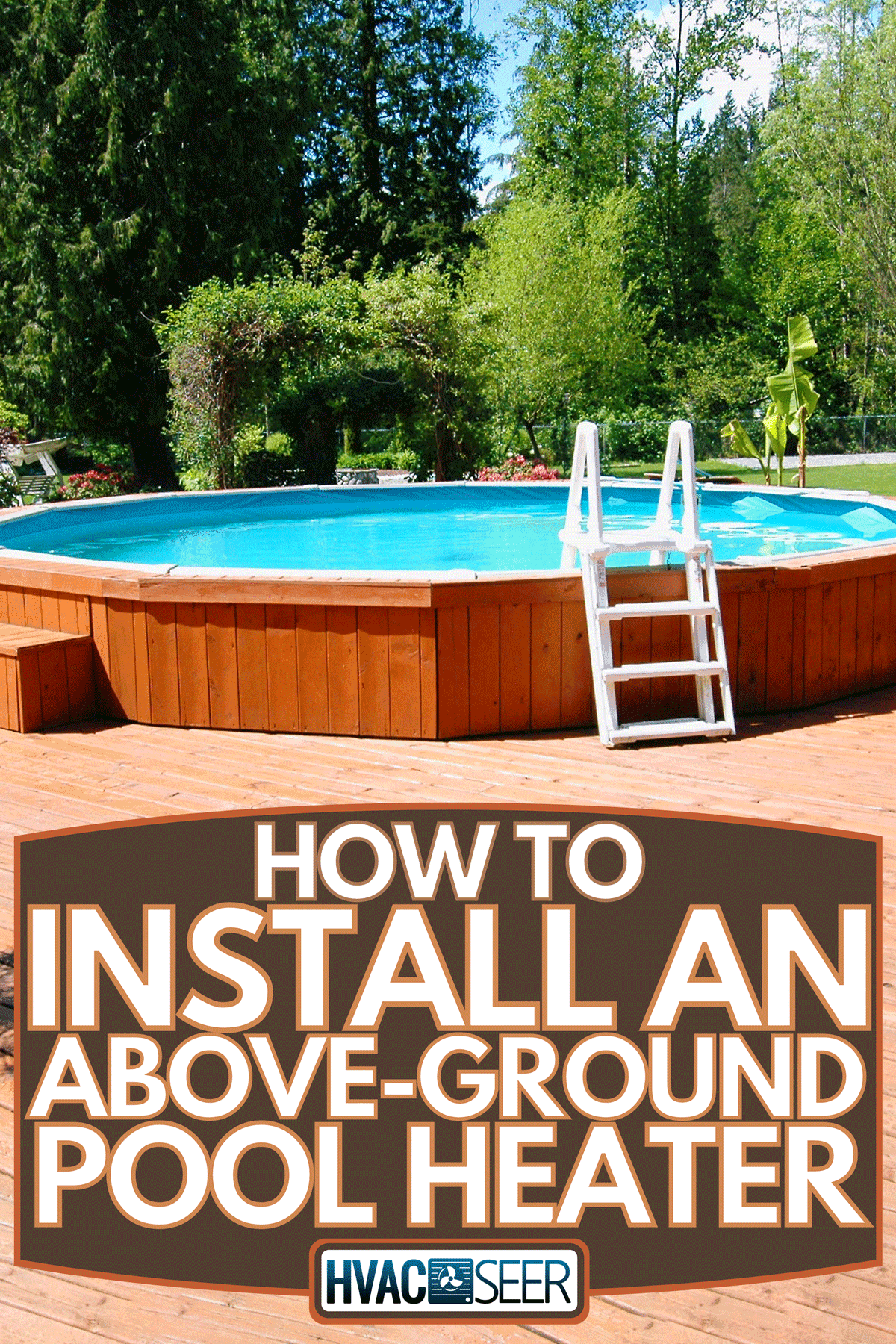
Cons: Higher upfront cost than a cover, requires a pump, effectiveness depends on sunshine.
It’s like giving your pool a warm, sunny hug, all day long. (Just try not to think about the tan lines your pool is getting.)
Method 3: Electric Pool Heaters - Plug and Play!
If you want a bit more oomph and less reliance on Mother Nature’s moods, an electric pool heater might be your jam. These are pretty straightforward: you plug 'em in, and they heat your water using an electric element, much like a giant kettle.
How it works: Water flows through the heater, passes over an electric heating element, and gets zapped with warmth before heading back to the pool.
Pros: Reliable, heats quickly, works regardless of sunshine.
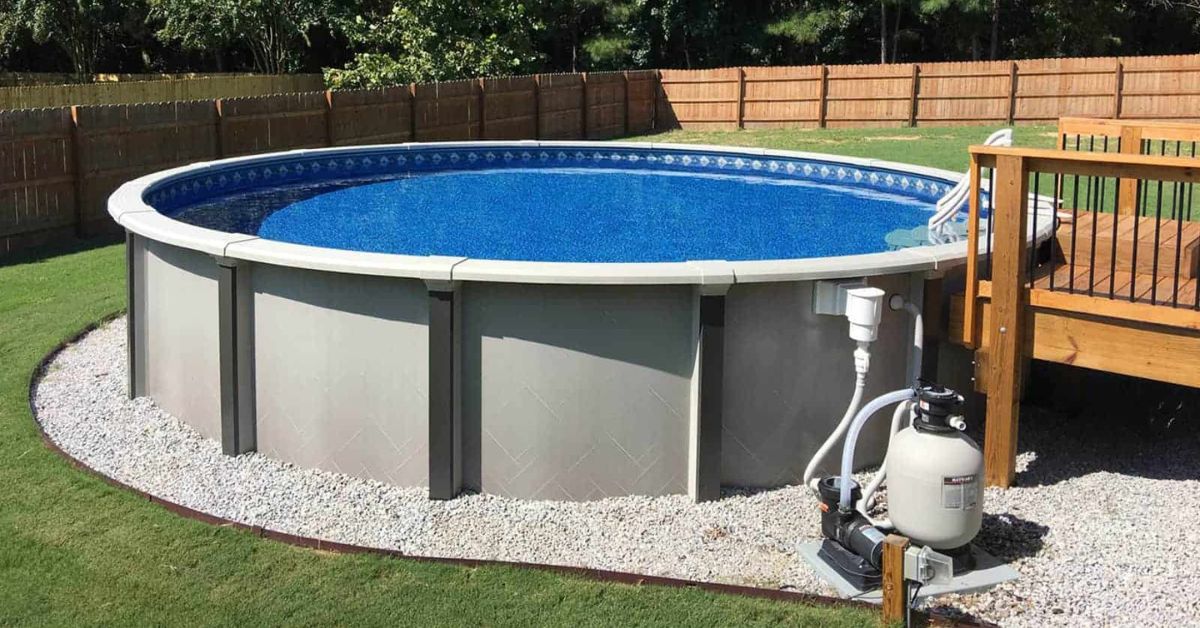
Cons: Can be expensive to run due to electricity consumption. Best for smaller pools or when you only need a boost.
Think of it as the espresso shot of pool heating – quick, powerful, but sometimes a bit pricey for your daily fix.
Method 4: Heat Pumps - The Efficient Smarty-Pants
Now, if you’re serious about heating and want efficiency without the massive electricity bills of a pure electric heater, meet the heat pump. These guys are the clever clogs of the heating world.
How it works: Instead of generating heat, a heat pump moves heat from the surrounding air and transfers it to your pool water. It’s like a reverse air conditioner, but for warmth! Pretty cool, right?
Pros: Much more energy-efficient than electric resistance heaters, environmentally friendly, reliable.

Cons: Higher upfront cost, less effective in very cold ambient air temperatures (they need some warmth to extract). They don't heat quite as quickly as gas heaters (which are generally overkill for above ground pools anyway!).
If you plan on heating your pool regularly and want to save on running costs in the long run, a heat pump is often an excellent investment.
A Few Friendly Tips for a Toasty Pool
- Size Matters: Match your heater to your pool size. A tiny heater won't warm a giant pool effectively (and vice-versa).
- Location, Location, Location: For solar options, pick the sunniest spot possible.
- Insulate (where possible): Minimizing heat loss is key! Always use that solar cover! Some above-ground pools can even get a little insulation around the walls.
- Budget Wisely: Consider both the initial purchase price and the ongoing running costs.
The Verdict: Your Warm Pool Awaits!
So there you have it! Heating your above-ground pool isn't just a pipe dream; it's a totally achievable, wonderfully luxurious reality. Whether you go full solar, opt for electric convenience, or invest in a super-efficient heat pump, you have options!
Imagine this: stepping into your pool on a crisp evening, or extending your swim season by weeks, all without the dreaded shiver. You’ve worked hard for that backyard oasis, and now you can truly enjoy it, comfortably and joyfully.
Go forth, my friend, and turn that cool blue into a warm, inviting haven. Your future self (the one lounging happily in warm water) will thank you! Happy swimming!