
Can You Have Yeast And Bv At The Same Time
Let's talk about lady bits, shall we? Specifically, about the sometimes-chaotic ecosystem that resides down there. We're diving into the slightly itchy, occasionally smelly, and frequently confusing world of vaginal health. And today's burning question: Can you juggle both a yeast infection and bacterial vaginosis (BV) at the same time?
The short answer? Buckle up, buttercup, because yes, you absolutely can. Think of it like this: your vagina is a bustling city. It has good citizens (helpful bacteria) and occasionally some rowdy tourists (opportunistic yeast or problematic bacteria). Usually, the good citizens keep everything in order. But sometimes, things get out of whack, and a riot can break out. And sometimes, two different kinds of riots decide to party at the same time.
Double the Trouble: The "Why" Behind the "Ouch"
So, why does this vaginal double-whammy happen? Well, it's all about balance. A healthy vagina has a specific pH level and is teeming with friendly bacteria, mostly lactobacilli. These good guys keep the bad guys – like Candida yeast (the usual culprit for yeast infections) and the bacteria responsible for BV – in check.
Must Read
However, this delicate balance can be disrupted by a variety of factors. Think of them as city-wide disruptions to our vaginal metropolis. Douching (a major no-no!), antibiotics (which kill both good and bad bacteria), changes in hormones (like during your period or pregnancy), even wearing tight-fitting clothes – they can all throw the ecosystem off kilter.
When the lactobacilli population dips, both yeast and BV-causing bacteria see an opportunity to thrive. It’s like a clearance sale on discomfort, offering 2-for-1 suffering! And because the symptoms can sometimes overlap (itchiness, discharge, general "ugh-ness"), it can be tricky to figure out what’s actually going on down there.
Decoding the Down-There Drama: Symptoms to Watch For
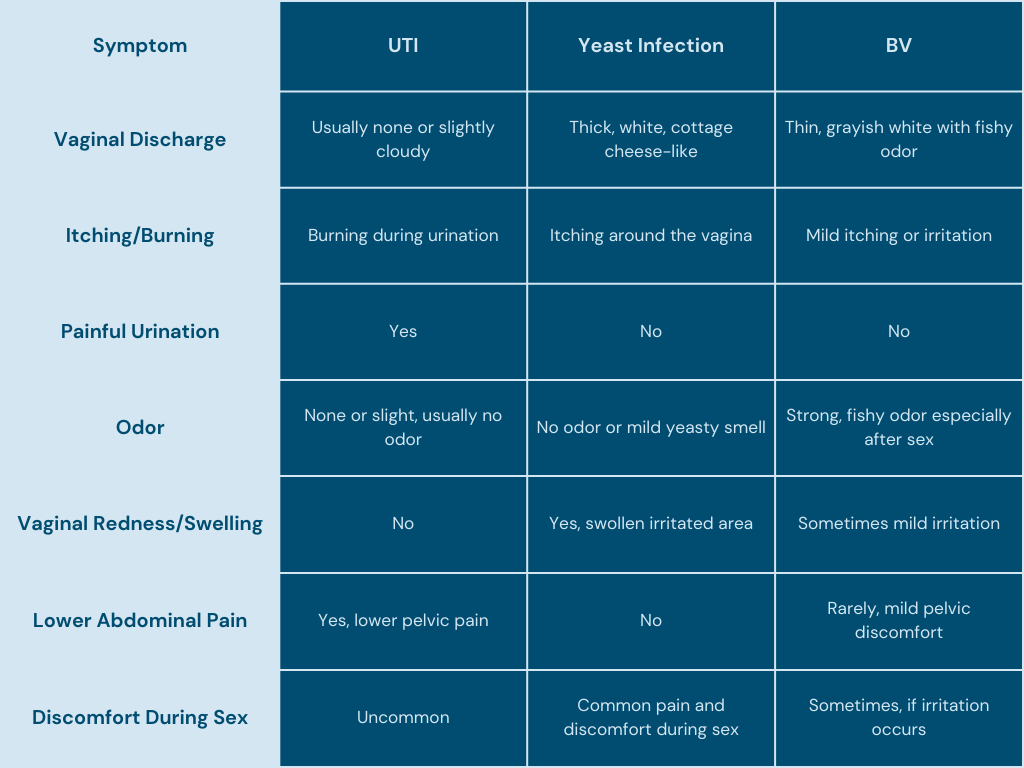
Here's a (very general!) cheat sheet to help you differentiate – although, remember, a doctor is always your best bet for a definitive diagnosis:
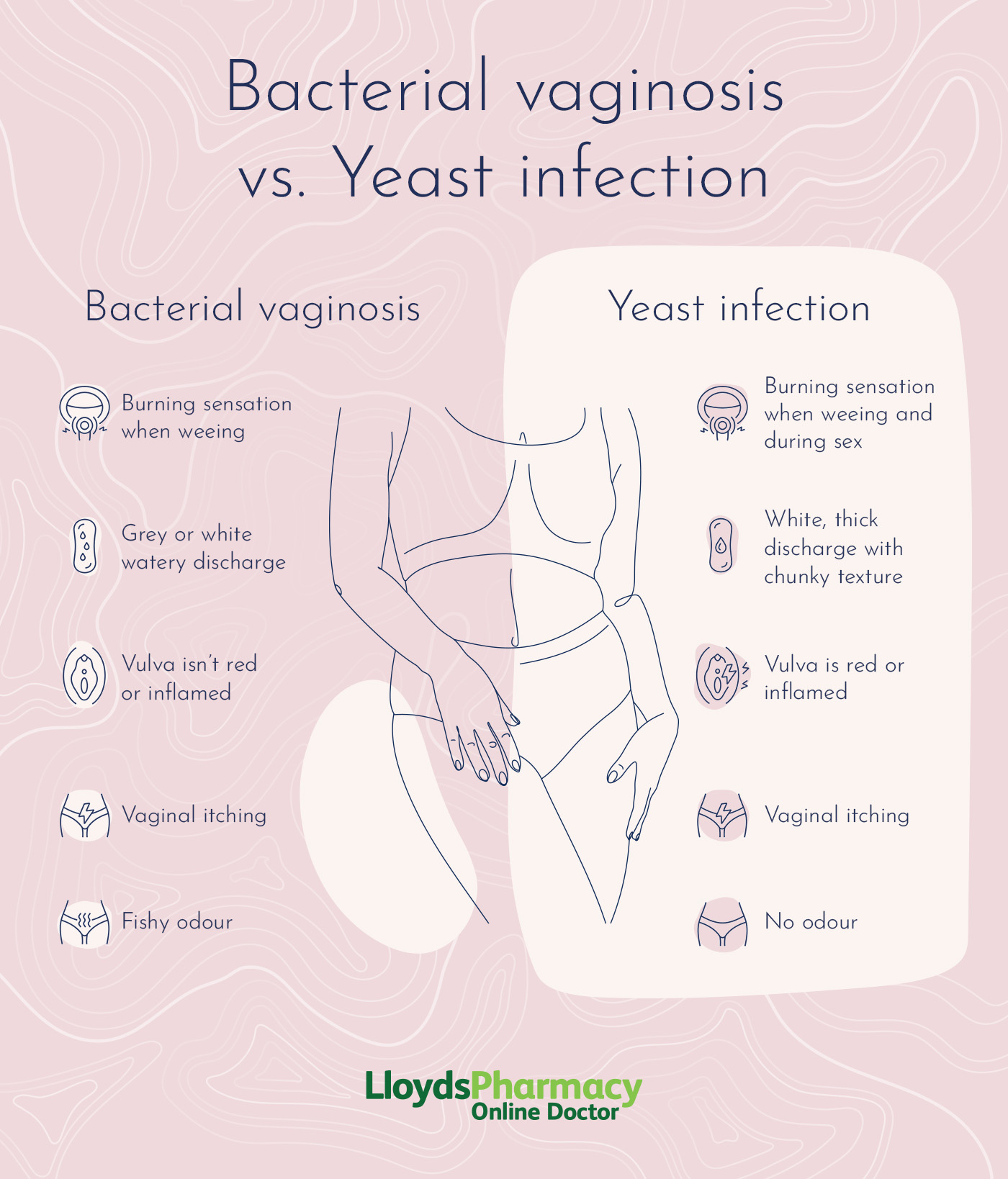
- Yeast Infection: Imagine cottage cheese. That's often the discharge. Also, expect intense itching and burning. Think tiny fire ants having a rave.
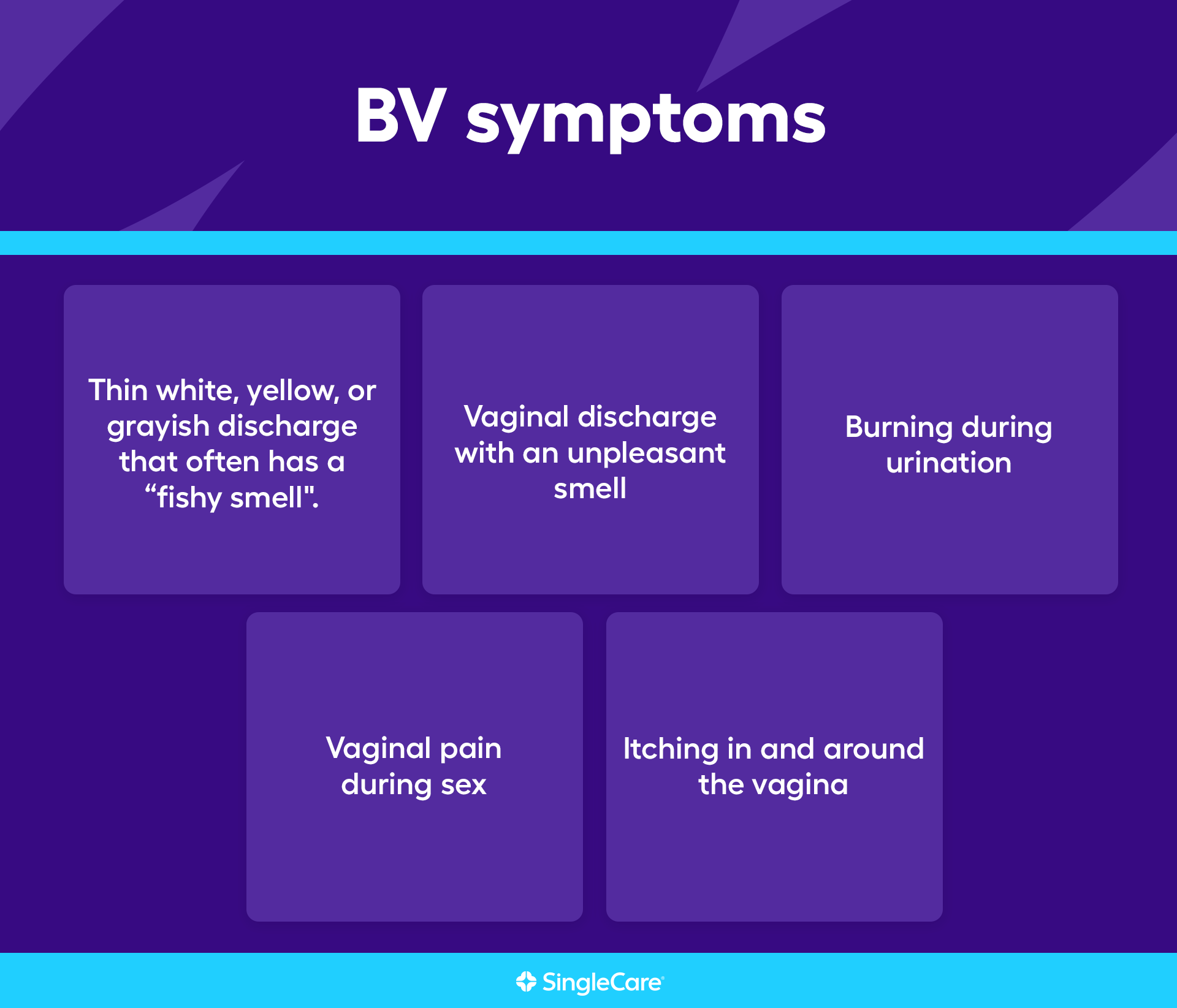
- BV: Think fish. Not in a romantic, "finding Nemo" way. More like, "did someone forget to take out the garbage?" Also, a greyish-white discharge is common.
Now, here’s the kicker: sometimes, you might have atypical symptoms. Maybe your yeast infection discharge is a little runny, or your BV odor is barely noticeable. That's why self-diagnosing can be a recipe for…well, more discomfort. Your vagina is not a game of "Guess That Ailment."
Treating the Tag Team: How to Get Back to Bliss
Treating a simultaneous yeast infection and BV requires a tailored approach. Think of it as coordinating a complex rescue mission. You can’t just throw a one-size-fits-all solution at the problem.

Yeast infections are often treated with over-the-counter antifungal creams or suppositories containing ingredients like miconazole or clotrimazole. Your doctor might also prescribe an oral medication, like fluconazole.
BV, on the other hand, usually requires antibiotics, often metronidazole or clindamycin, prescribed by your doctor. Don't even think about using leftover antibiotics! That’s like trying to fix your car engine with a stapler.
The key is to get a proper diagnosis and follow your doctor's instructions to the letter. Don’t stop taking your medication early, even if you start feeling better. You need to ensure you’ve completely evicted all those unwanted squatters from your vaginal city!
Prevention is Power: Building a Stronger Vagina-polis
The best way to avoid this double-dose of discomfort is to keep your vaginal ecosystem healthy and happy. Here are some tips to become the ultimate mayor of your lady parts:
- Ditch the Douche: It washes away the good bacteria, leaving you vulnerable.
- Wear Breathable Underwear: Cotton is your friend. Let your vagina breathe!
- Probiotics are Your Pal: Consider taking probiotics, especially after a course of antibiotics. Think of them as reinforcements for your good bacteria army.
- Practice Safe Sex: STIs can sometimes mimic or exacerbate the symptoms of yeast infections and BV.
So, can you have a yeast infection and BV at the same time? Unfortunately, yes. But armed with knowledge, a good doctor, and a healthy dose of self-care, you can conquer the down-there drama and restore peace and harmony to your vaginal kingdom. And remember, talking about vaginal health isn't shameful; it's smart! Let's break the stigma and empower each other to take care of our bodies.
.jpg)