
Can You Have A Carbon Monoxide Leak Without Gas

Okay, let’s talk about something that might not be the most thrilling topic at first glance, but trust me, it's more exciting than you think! I'm talking about carbon monoxide (CO). Now, you might be thinking, "Carbon monoxide? Isn't that a 'gas' thing?" Well, buckle up, buttercup, because that's where the fun begins!
The Great CO Misconception!
Most people automatically associate carbon monoxide with natural gas leaks. And yes, that's a valid concern! But here's the kicker: CO can be produced by ANY fuel-burning appliance. Yep, you read that right! That means even if you don't have a gas line in your house, you're not necessarily CO-safe. Think of it like this: CO is a sneaky byproduct, like the crumbs left after a delicious cookie – you gotta be aware, even if the main event (natural gas) isn't there!
So, what are these other culprits, you ask? Well, let's dive in! We're talking about things like:
Must Read
- Your Furnace (oil or propane): Even if you don't have natural gas, furnaces burning other fuels can still produce CO.
- Wood-Burning Fireplaces & Stoves: Cozy and romantic? Absolutely! But incomplete combustion can lead to CO buildup. (Remember, always have proper ventilation!)
- Kerosene Heaters: Portable heat, but also a potential CO source.
- Charcoal Grills (inside!): Seriously, don't do it! I know it's tempting when the weather is bad, but CO is a silent killer. Always grill outdoors!
- Gasoline-Powered Generators: Essential during power outages, but they MUST be operated outside, far away from windows and doors. We're talking at least 20 feet!
- Vehicles running in an attached garage: NEVER idle your car in the garage, even with the door open. CO can seep into your house quickly.
See? A whole host of potential sources! Suddenly, this CO thing feels a lot more relevant, doesn't it? It's like realizing your favorite movie has a sequel you didn't know about – suddenly you have a whole new adventure to explore (safely, of course!).

Why Should I Care? (Besides, You Know, Staying Alive!)
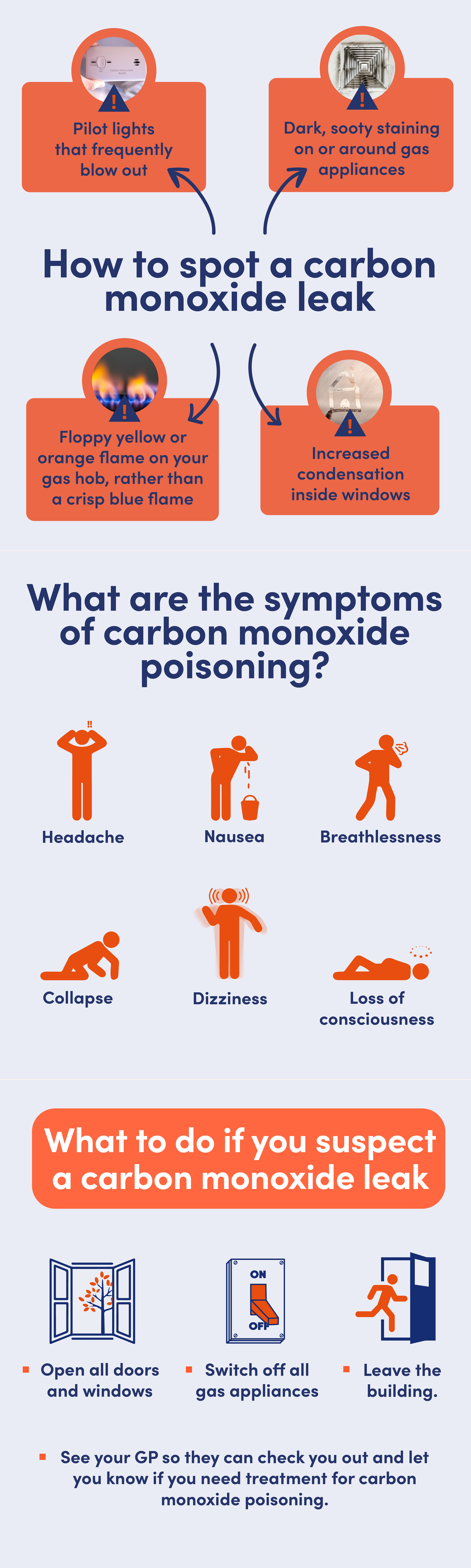
Okay, so we know CO is bad. But why is it so important to be aware of these non-gas sources? Well, carbon monoxide is odorless, colorless, and tasteless. That's the terrifying trifecta! You can't detect it without a detector. It replaces oxygen in your bloodstream, leading to all sorts of nasty symptoms, from headaches and dizziness to unconsciousness and, in severe cases, death. Not exactly the kind of plot twist you want in your life story!
But here’s the inspiring part: this isn’t a cause for panic! It’s a cause for awareness and action! Knowledge is power, my friend, and knowing that CO can come from multiple sources empowers you to protect yourself and your loved ones.
The Solution is Simple!
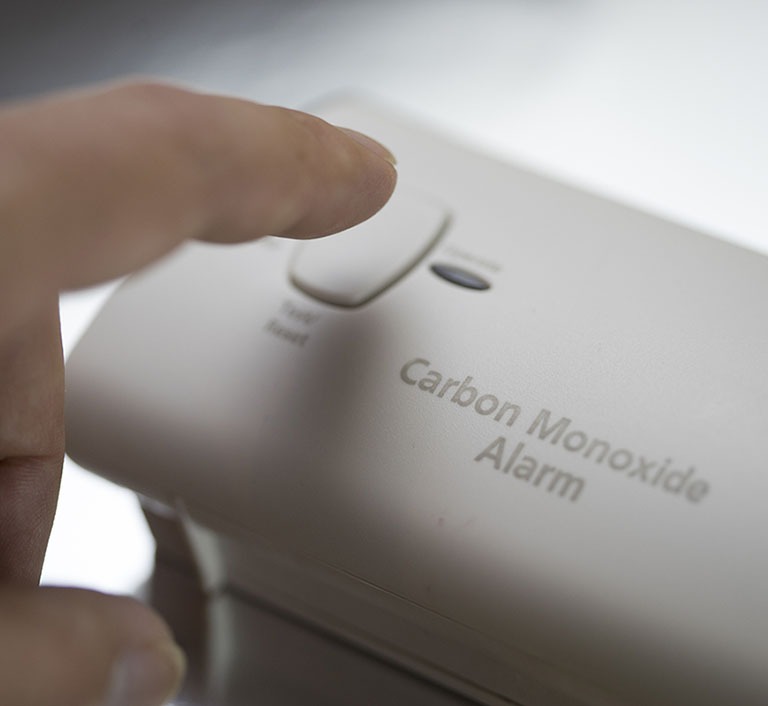
Invest in CO detectors! They are inexpensive and could save your life. Place them on every level of your home, especially near sleeping areas. Think of them as tiny, vigilant guardians, always on the lookout for danger. Test them regularly and replace the batteries at least twice a year (a good reminder is when you change your clocks for daylight saving time!). It is also important to replace your CO detectors every five to seven years, as their sensors can degrade over time.
Also, ensure proper ventilation for all fuel-burning appliances. Regular maintenance is key to making sure these appliances are functioning efficiently and safely. A simple annual checkup can prevent a multitude of problems.
More Than Just Safety – Peace of Mind!
Think of it this way: taking these simple precautions isn't just about avoiding a potential crisis, it's about creating peace of mind. Knowing you've taken the necessary steps to protect your family allows you to relax and enjoy your home without that nagging worry in the back of your head. You can fire up that fireplace, cozy up with a book, and breathe easy (literally!).
Consider it an investment in your overall well-being. A safe home is a happy home, and a happy home leads to a happier you!
Ready to Learn More?
Don't stop here! Do some research on CO safety in your area. Check out your local fire department's website or contact them for advice. There are tons of resources available to help you become a CO safety pro. Remember, learning is a lifelong adventure! Embrace the opportunity to expand your knowledge, protect your loved ones, and make the world a safer (and more fun!) place. Who knows, maybe you'll even inspire others to do the same! Let's all be CO safety superheroes!
Safety first, adventure always!