
Can You Flux Core Weld Aluminum

Alright, let's dive into a question that probably pops into the mind of every budding welder at some point: "Can I just... you know... flux core weld aluminum?" It's a tempting thought, isn't it? Flux core welding is often seen as the no-fuss, self-shielding hero of the welding world – grab your gun, pull the trigger, and boom! Metal joins metal.
So, you've got this cool aluminum project, maybe a shiny new boat trailer repair or a custom box for your truck, and you're thinking, "Hey, I've got a flux core welder! Can I make this magic happen?" Well, buckle up, buttercup, because we're about to explore that very idea with a friendly, no-nonsense chat. And the short answer, delivered with a sympathetic pat on the back, is: not really, no.
Why Your Flux Core Welder Isn't Invited to the Aluminum Party
I know, I know. It stings a little. But there are some pretty solid, science-y (but we'll keep it fun!) reasons why your trusty flux core machine and aluminum aren't exactly soulmates. It’s like trying to get a cat to enjoy a bath – it's just not going to end well for anyone involved.
Must Read
1. The Great Shielding Gas Divide
This is probably the biggest reason. Flux core wire is designed to create its own protective gas shield as it burns, thanks to the flux inside. It’s super convenient because it means you don’t need an external gas tank. Awesome for welding steel outdoors or in drafty shops!
But aluminum? Aluminum is a diva. It absolutely, positively, must have a shield of pure argon gas (or an argon mix, but mostly argon) to prevent oxidation and porosity. Without it, your weld will look like Swiss cheese and have the structural integrity of a damp cracker. The flux from flux core wire just doesn't offer the right kind of protection for aluminum, and in fact, can make things worse by contaminating the weld.
2. The Pesky Oxide Layer
Aluminum naturally forms a super tough oxide layer on its surface when exposed to air. Think of it as aluminum's invisible suit of armor. This layer has a much higher melting point than the aluminum underneath. When you're TIG welding aluminum, the AC current helps break down this oxide layer, allowing you to get a good, clean weld.

Flux core welders, on the other hand, typically run on DC (Direct Current). They don't have that oxide-busting power. Trying to push through that layer with flux core is like trying to hammer a nail into concrete with a rubber mallet. You'll probably just make a mess and get frustrated.
3. Wrong Wire for the Job
This one's pretty straightforward. Flux core wires are almost always made for welding ferrous metals – that’s your various steels. Aluminum needs, you guessed it, aluminum wire. You wouldn't use chocolate syrup to fix a flat tire, right? It just doesn't make sense to use steel wire on aluminum. They have different metallurgical properties, and they certainly don't like to mix and mingle in a weld puddle.
4. Heat Control is a Headache
Aluminum dissipates heat like crazy. It sucks up heat, then quickly spreads it away from the weld zone. This means you need a lot of heat, quickly, to establish a good puddle and penetrate, but also the control to not just blow a hole through your workpiece. Flux core welding, while great for many steel applications, can be a bit more aggressive and harder to finely control for aluminum's unique thermal properties. It's often a fast, hot process, which isn't ideal for the finicky nature of aluminum.
So, What Happens If You Try? (Don't Do It!)
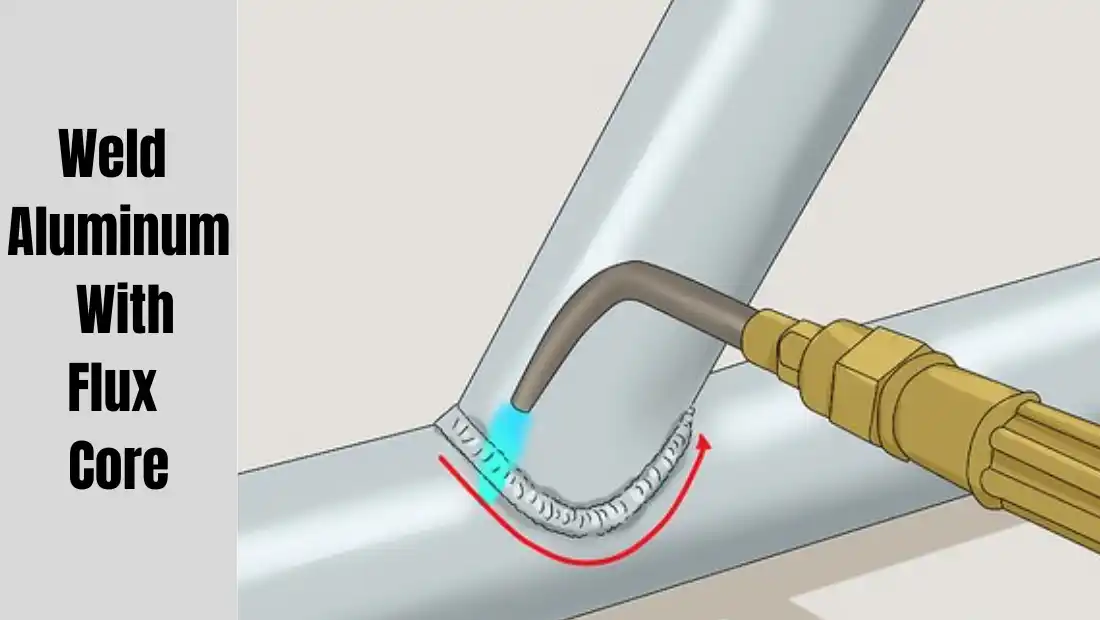
If you were to try and flux core weld aluminum, you'd likely end up with something that vaguely resembles a weld but is actually a porous, weak, brittle, and very ugly mess. It wouldn't hold, it wouldn't be safe, and frankly, it would just be a waste of your time and material. Plus, the fumes from burning flux on aluminum might not be the nicest thing to breathe in. Safety first, always!
Okay, So How DO You Weld Aluminum?
Glad you asked! There are a few excellent, tried-and-true methods for welding aluminum that actually work like a charm:
1. MIG Welding with a Spool Gun (The Hobbyist's Friend)
This is often the easiest and most accessible way for hobbyists and small shops to get into aluminum welding. You'll need:

- A MIG welder capable of welding aluminum (some inverters can do it).
- A spool gun (or a push-pull gun if you're fancy). This gun holds a small spool of aluminum wire right at the handle, preventing the wire from bird-nesting in your main machine. Aluminum wire is super soft!
- A tank of 100% argon gas. No compromises here!
- Aluminum MIG wire (specific alloy for your aluminum project).
- U-groove rollers in your feeder (to avoid deforming the soft wire).
It's like regular MIG, but with a few aluminum-specific tweaks!
2. TIG Welding (The Smooth Operator)
Ah, TIG welding. The Beyoncé of welding processes – smooth, precise, and capable of producing truly beautiful welds. For aluminum, you'll need an AC TIG welder (Alternating Current). This is fantastic because the AC current helps blast away that pesky oxide layer, giving you a super clean, strong weld. TIG takes a bit more practice and coordination, but the results are incredibly rewarding.
3. Stick Welding (The Old-School Challenge)
Yes, you can stick weld aluminum, but it's a bit like trying to solve a Rubik's Cube blindfolded – possible, but really challenging. You need special aluminum stick electrodes, and it's generally not recommended for beginners or for critical applications due to the difficulty in achieving clean, sound welds.
The Uplifting Conclusion!
So, there you have it! While your flux core welder is an absolute rockstar for steel projects, it's just not the right tool for aluminum. And that's perfectly okay! Welding is all about using the right tool for the right job, and understanding those nuances is what makes you a smarter, more capable welder.
Don't be discouraged! Instead, see this as an exciting opportunity to expand your welding horizons. Maybe it's time to save up for a spool gun setup for your MIG machine, or perhaps even dive into the elegant world of AC TIG welding. The journey of learning new skills is always a rewarding one, and soon you'll be tackling aluminum projects with confidence and precision.
Keep those sparks flying, keep learning, and remember: every project is a chance to grow your skills. Now go forth and weld awesome things (just not aluminum with flux core)! Happy welding, my friend!