Can You Drive In 50 Mph Winds
Ever found yourself gripping the steering wheel a little tighter on a blustery day? Or maybe you've seen a roadside sign flapping like a mad thing and wondered, "Is this even safe?" Driving in strong winds is one of those common experiences that can go from a mild annoyance to a genuine concern pretty quickly. It's a topic that's not just useful for staying safe, but also surprisingly popular because almost everyone has a story or a question about it. Understanding how to handle your vehicle when nature decides to get a bit breezy can turn a potentially stressful journey into a manageable adventure, giving you peace of mind on the open road.
So, who benefits from knowing the ins and outs of driving in 50 mph winds? Well, pretty much everyone! For beginners and new drivers, it’s a crucial lesson in defensive driving, teaching you how to anticipate hazards and maintain control in unexpected conditions. This knowledge isn't just about wind; it builds overall confidence behind the wheel. Families planning road trips or even just daily commutes will find it invaluable for keeping everyone safe. Knowing when to slow down or even postpone a journey can prevent unnecessary risks. And for hobbyists, like those who love camping, towing, or strapping bikes to the roof for weekend getaways, understanding wind dynamics is essential. It helps you protect your gear, your vehicle, and most importantly, yourselves.
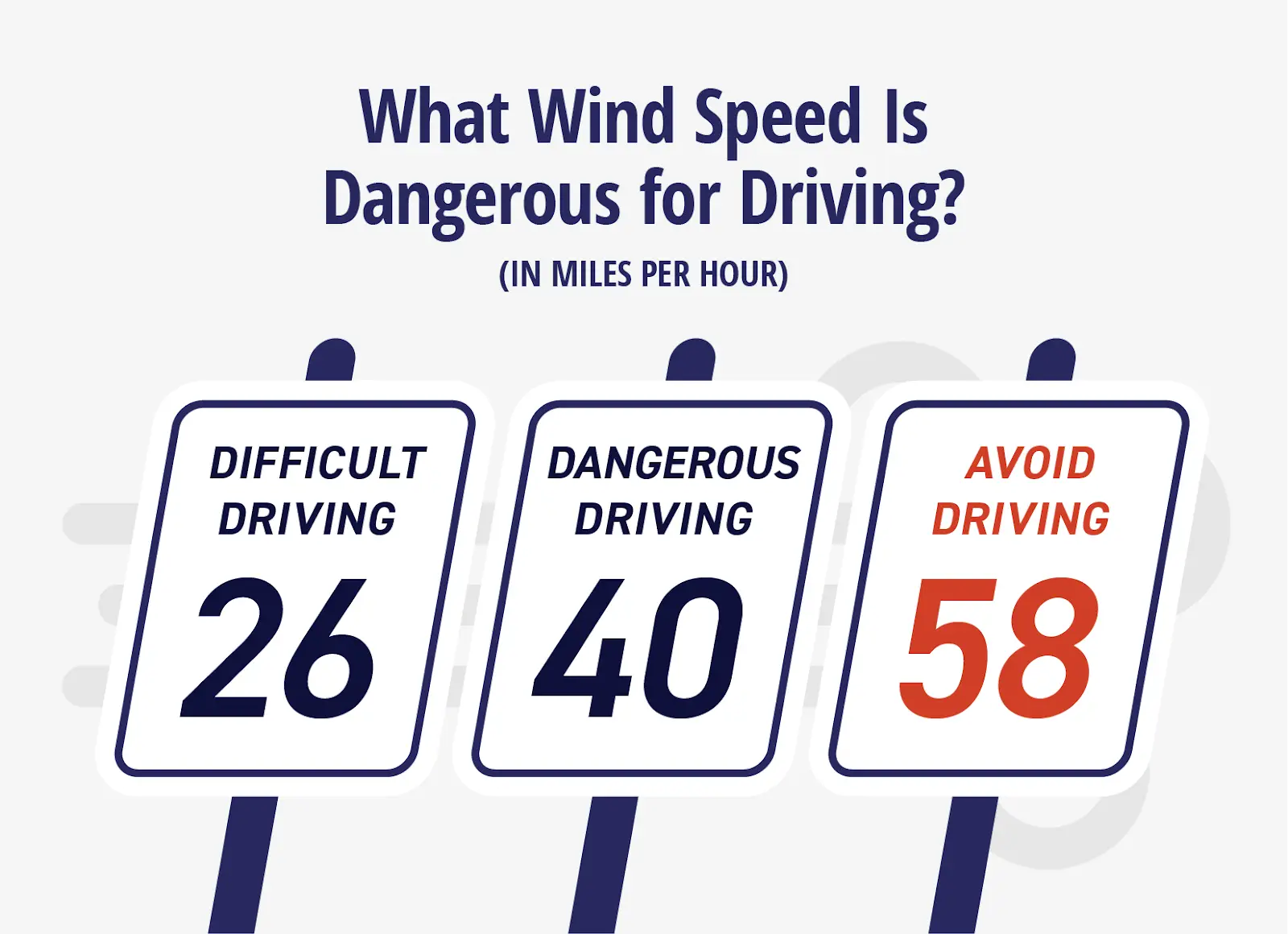
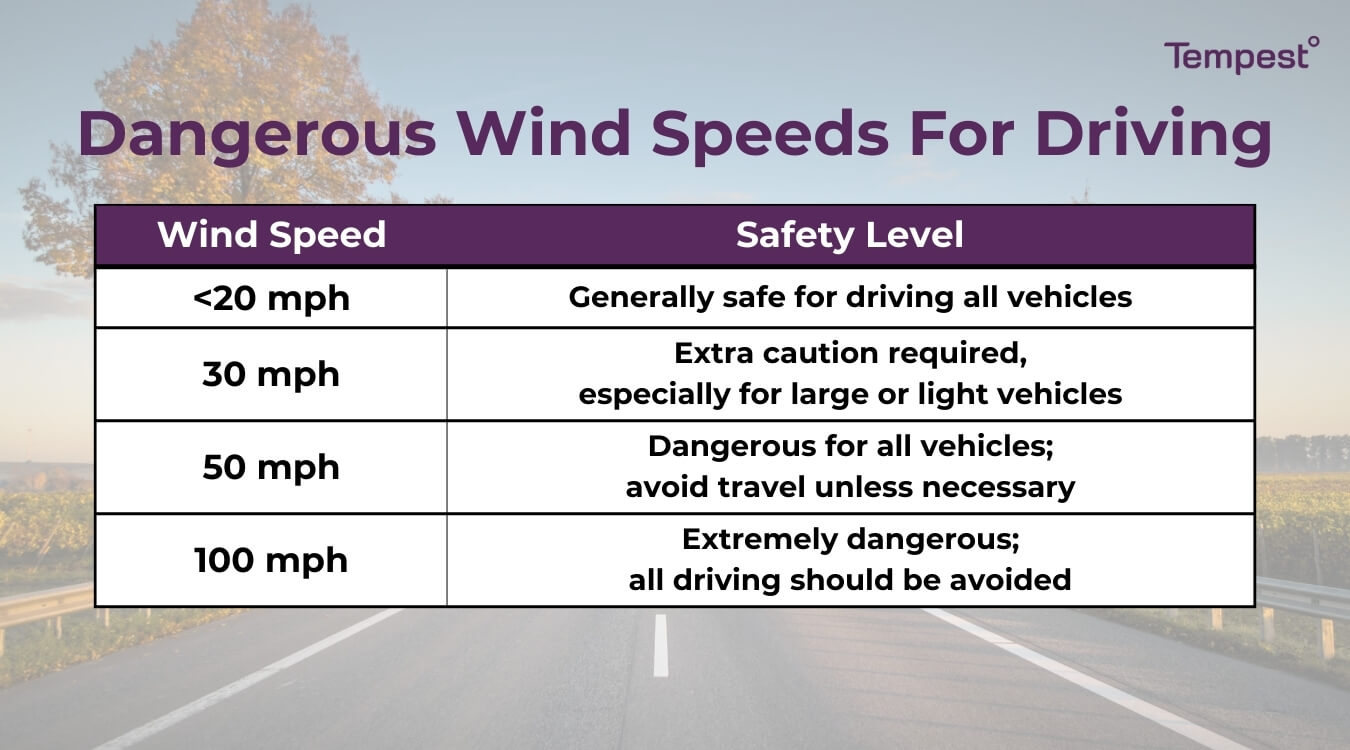
A 50 mph wind isn't just a number; it's a force! It can feel like a giant invisible hand pushing your car, especially if you're driving a smaller vehicle or a high-sided one like a van or an RV. Imagine a moderate gale – that's roughly 50 mph. The experience varies wildly. A small hatchback might feel like it's being shoved sideways by a strong crosswind, while a large SUV might just feel a persistent tug. If you have a roof box or a bike rack, that wind resistance is amplified, making steering more challenging. Bridges are notorious for wind tunnels, and open highways offer no shelter, making sustained gusts particularly dangerous. Even the direction matters; a headwind will slow you down and use more fuel, while a tailwind might feel helpful but can make braking less effective.
Must Read
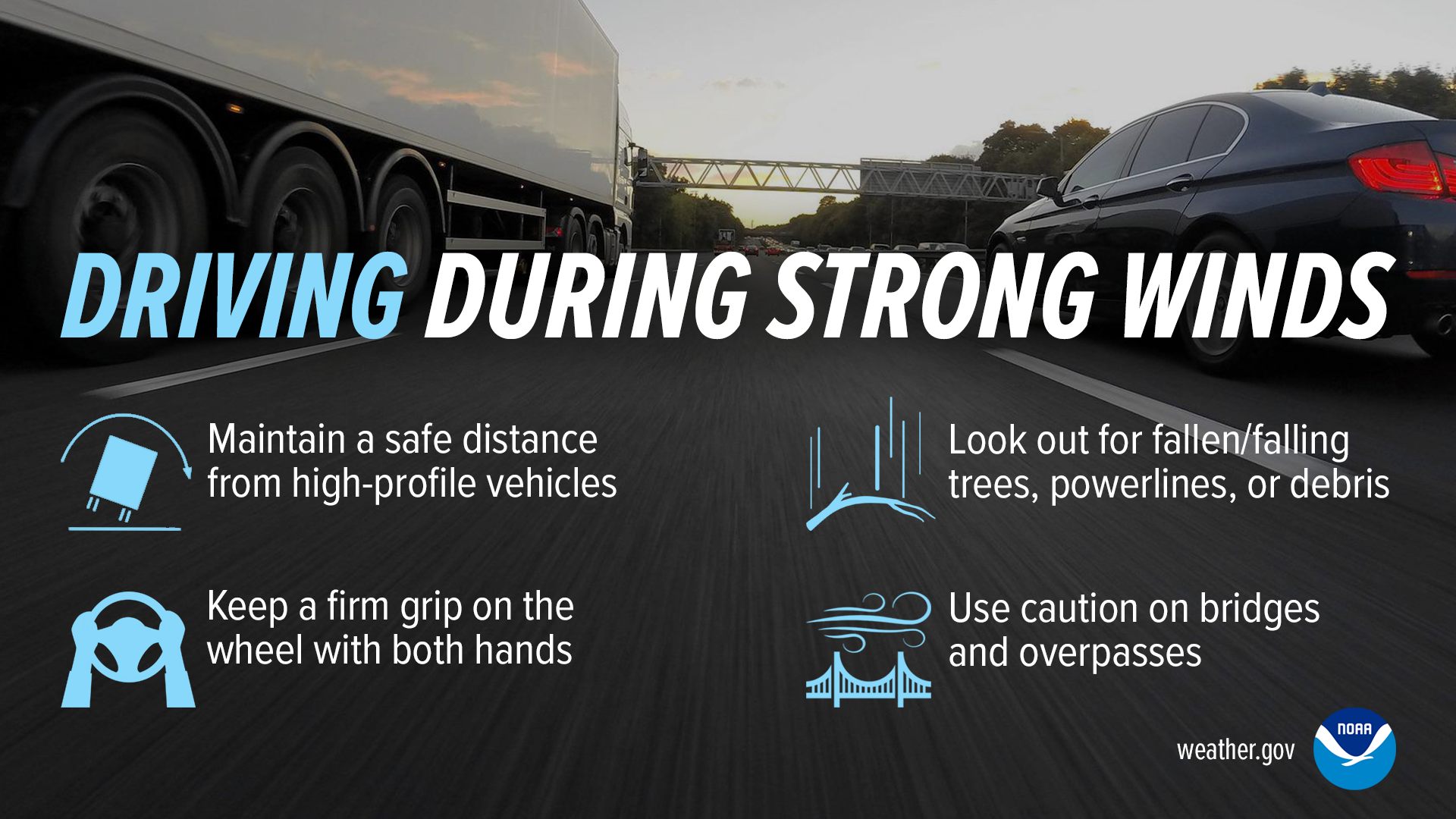
Ready to tackle those windy roads with confidence? Here are some simple, practical tips to get you started. First and foremost, slow down. Reducing your speed gives you more time to react and lessens the impact of strong gusts. Maintain a firm grip on the steering wheel with both hands, ready to make small, corrective adjustments. Be extra vigilant for high-sided vehicles like trucks or buses; they can create sudden pockets of turbulence when they pass, pushing your car unexpectedly. Keep a sharp eye out for debris – branches, signs, even loose trash can become dangerous projectiles. Before you even set off, check the weather forecast. If the winds are predicted to be extreme, consider if your journey is truly essential. If it gets too hairy on the road, don't hesitate to pull over safely and wait for the worst to pass. And if you're carrying gear, empty your roof rack if it's not absolutely needed; less drag means more stability.
Driving in 50 mph winds might sound daunting, but with a little preparation and awareness, it becomes a manageable part of driving. It’s not about avoiding the wind entirely, but rather understanding its power and learning how to respect it. By applying these tips, you'll not only enhance your safety but also gain immense confidence behind the wheel, making every journey, windy or not, a little more enjoyable and a lot less stressful. Happy (and safe) motoring!