Can You Charge Solar Lights With Artificial Light
Hey there, curious minds! Ever wondered if you could give your solar lights a little boost indoors? Like, trick them into thinking your living room lamp is the sun? Well, grab a comfy seat, because we're diving into the fascinating world of solar charging, artificial light, and whether these two can actually be friends.
Let's be honest, solar lights are pretty cool. They soak up the sun's rays during the day and then magically light up your garden at night. It's like having tiny, personal suns sprinkled around your yard. But what happens when the sun's playing hide-and-seek behind clouds for days? Or what if you just want to use them indoors? Can you cheat the system?
The Short Answer (with a Twist!)
Okay, straight to the point: Yes, you can charge solar lights with artificial light, but it's not quite as effective as the real deal. Think of it like this: a sunbeam is like a gourmet, five-course meal for your solar panel, while artificial light is more like a quick snack – a granola bar, perhaps. It'll do in a pinch, but it's not the same.
Must Read
Why isn't it the same? Well, it all boils down to the wavelength of light. Sunlight is packed with a wide spectrum of wavelengths, including the ones that solar panels love to gobble up. Artificial light, on the other hand, has a much narrower spectrum. It's like trying to feed a picky eater – they'll only take certain things, and the rest goes to waste.
Delving Deeper: Light Bulbs and Solar Panels - A Complicated Relationship
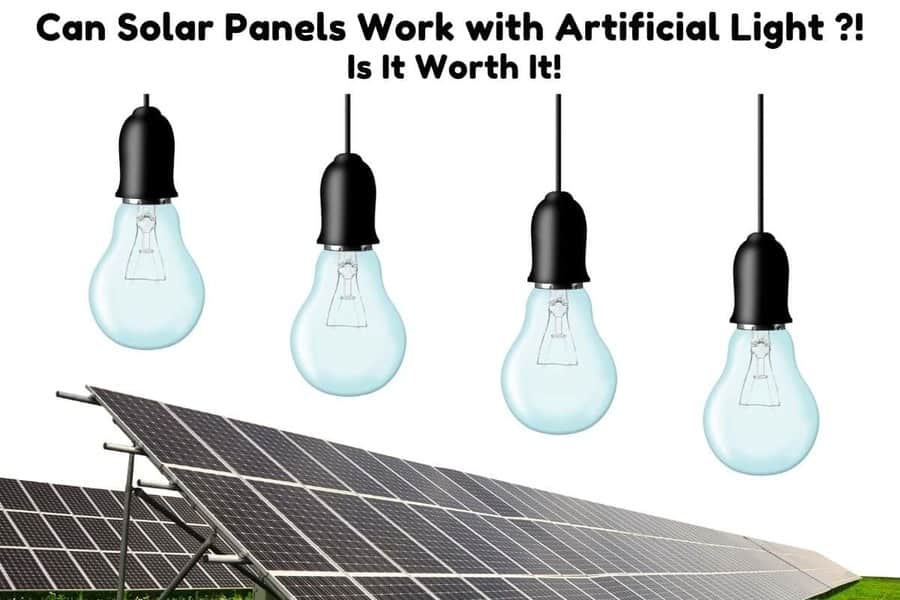
Now, not all artificial lights are created equal. An old-school incandescent bulb, for instance, produces a lot of heat and relatively little of the right kind of light for solar panels. It's like trying to charge your phone with a hairdryer – not the best idea, right?

LED lights, on the other hand, are a bit more promising. Some LEDs emit a broader spectrum of light, making them slightly more effective at charging solar lights. But even then, it's still a far cry from the sun's powerful rays.
Think of it this way: using an LED light to charge a solar light is like trying to fill a swimming pool with a garden hose. It'll eventually get there, but it'll take a long time and a whole lot of effort.

Why Bother? The Appeal of Indoor Charging
So, if it's not super efficient, why even bother trying to charge solar lights indoors? Well, there are a few reasons:
- Curiosity: Let's face it, sometimes we just want to see if we can do something. It's human nature!
- Emergency Situations: Maybe you're facing a power outage and need a little extra light. Indoor charging could give your solar lights a small boost.
- Cloudy Days: If the sun's been MIA for days, even a little bit of artificial light charging can help prevent your solar lights from completely dying out.
Tips and Tricks for (Attempting) Indoor Charging
Okay, so you're determined to give it a try. Here are a few tips to maximize your chances of success:

- Use LED lights: As mentioned before, LEDs are generally more effective than other types of bulbs.
- Get close and personal: Position the solar panel as close to the light source as possible. Every little bit helps!
- Be patient: Don't expect miracles. It'll take a long time to fully charge a solar light using artificial light.
- Clean the panel: Make sure the solar panel is clean and free of dust or debris. This will help it absorb more light.
The Cool Factor: Understanding Energy and Light
Ultimately, experimenting with charging solar lights with artificial light is a fun way to learn more about energy and how it works. It's a hands-on lesson in wavelengths, efficiency, and the sheer power of the sun.
So, go ahead, give it a try! Even if it's not the most practical solution, it's a cool experiment that can spark your curiosity and deepen your understanding of the world around you. And who knows, maybe you'll even discover a new trick or two along the way.
Remember, the goal isn't necessarily to replace the sun, but to appreciate the ingenuity of solar technology and the fascinating interplay between light and energy. Happy experimenting!