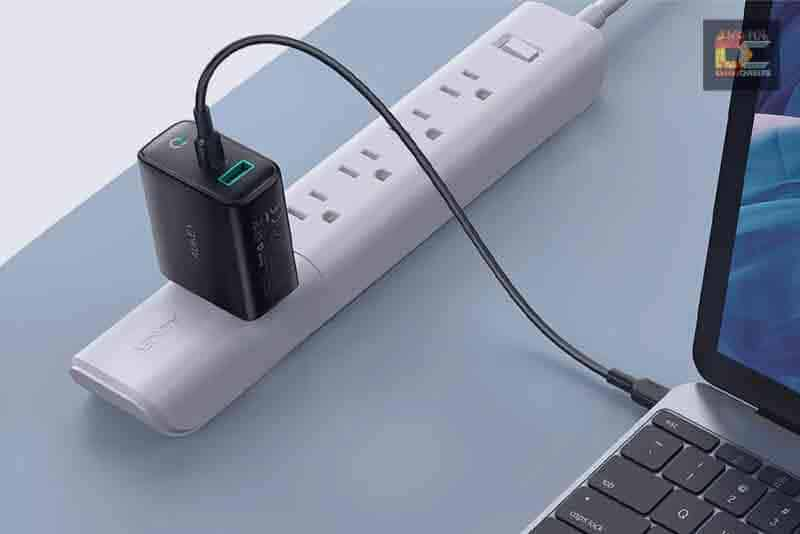
Can You Charge A Laptop By Usb

It’s a dream we all share, isn’t it? That glorious day when one charger rules them all. You’ve got your phone, your wireless earbuds, maybe even a smart watch. All happy little gadgets, cheerfully sipping power from a single, humble USB cable. Then, your eyes drift to your trusty laptop. It often sits there, tethered by its own chunky, undeniable power brick. A bit of a dinosaur, perhaps, from a bygone era of unique chargers for every single thing you owned.
But then, a glimmer of hope! A shining beacon in the tech world! The mighty USB-C! This sleek little connector promised to change everything. No more fumbling. No more guessing which way is up. And, most thrillingly, the ability to charge absolutely everything. Including, surely, your precious laptop!
You grab your phone charger. It’s a nice one, pretty powerful, perhaps a "fast charger" even. You plug it into your laptop's shiny new USB-C port. A little light might flicker tentatively. Your laptop screen might even chirp a polite, "Charging!" Ah, sweet victory! Or is it?
Must Read
You saunter back an hour later, perhaps after making a cup of tea or conquering a small mountain of laundry. You glance at your battery percentage. It has… barely moved. Maybe it went from 30% to 32%. That’s like trying to fill an Olympic-sized swimming pool with a child's toy watering can. Sure, water is technically going in. But are you ever going to swim? Probably not today, dear friend. Not today.
This, my friends, is where the true fun begins. The great USB laptop charging adventure! You try another charger. Perhaps one borrowed from a friend’s super-powerful tablet. Still slow. The laptop seems to mock your efforts with its glacial progress. You start to eye those big, beefy USB-C chargers made for other laptops. They look promising, like they mean business. But they often come with their own hefty price tag, and sometimes, even they aren't quite enough for your particular, power-hungry beast of a machine.

It feels like a secret club, doesn't it? A club where some laptops happily guzzle power from a standard USB-C charger, while others just stare blankly, demanding their specific, often very particular, power brick. It’s almost like your laptop has a remarkably discerning palate. It won't just eat any old electricity. Oh no. It needs its artisanal, hand-crafted, precisely-65W (or 90W, or 100W, heaven forbid 130W!) power supply. Anything less is met with a polite but firm digital shrug.
"I swear, my laptop judges me silently when I try to feed it a phone charger. I can practically hear its CPU groaning."
We’ve all been there. You're on a trip, far from home. You reach into your bag, only to discover with a jolt that you’ve tragically forgotten your main laptop charger. Panic sets in. Then, a brilliant spark of ingenuity ignites! "Aha! I'll just use my phone charger!" you declare, a triumphant glint in your eye. Hours later, you’re huddled near the wall outlet, a desperate beacon of hope, watching your battery icon with the intense concentration of a seasoned hawk, willing it to climb. It’s a slow, agonizingly slow climb. Sometimes, to add insult to injury, your laptop might even lose power while you’re trying to use it. Talk about a rude awakening to the harsh realities of power delivery!
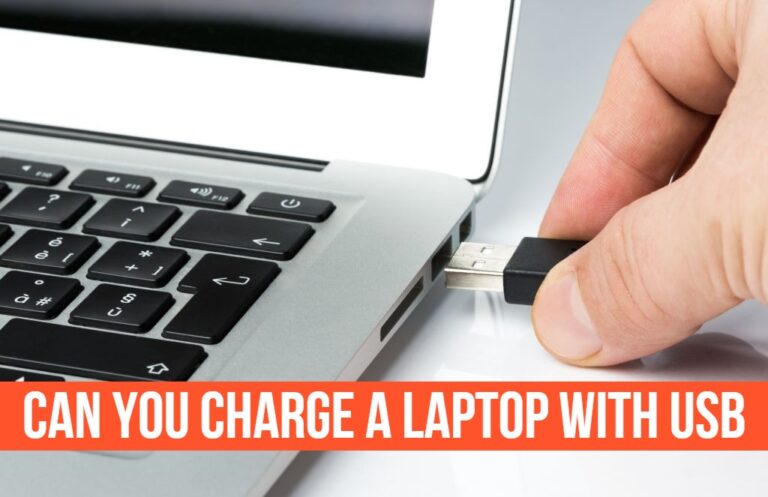
Now, let’s be fair. It’s not that USB-C can’t charge a laptop. Oh, it absolutely can! The technology is genuinely clever and capable. It’s fantastic for many modern laptops, especially the slimmer, less demanding ones that prioritize portability over raw power. Think of those sleek ultrabooks or many Chromebooks. They embrace the USB-C life with open ports.
But for others, particularly those powerful machines with dedicated graphics cards, cutting-edge processors, or extra-bright screens, trying to charge them with a less-than-optimal USB-C charger is a bit like attempting to run a full marathon fuelled solely by a single jelly bean. You might technically finish, eventually, staggering across the line days later. But you’ll be dragging your feet, wishing you’d packed a proper energy pack.
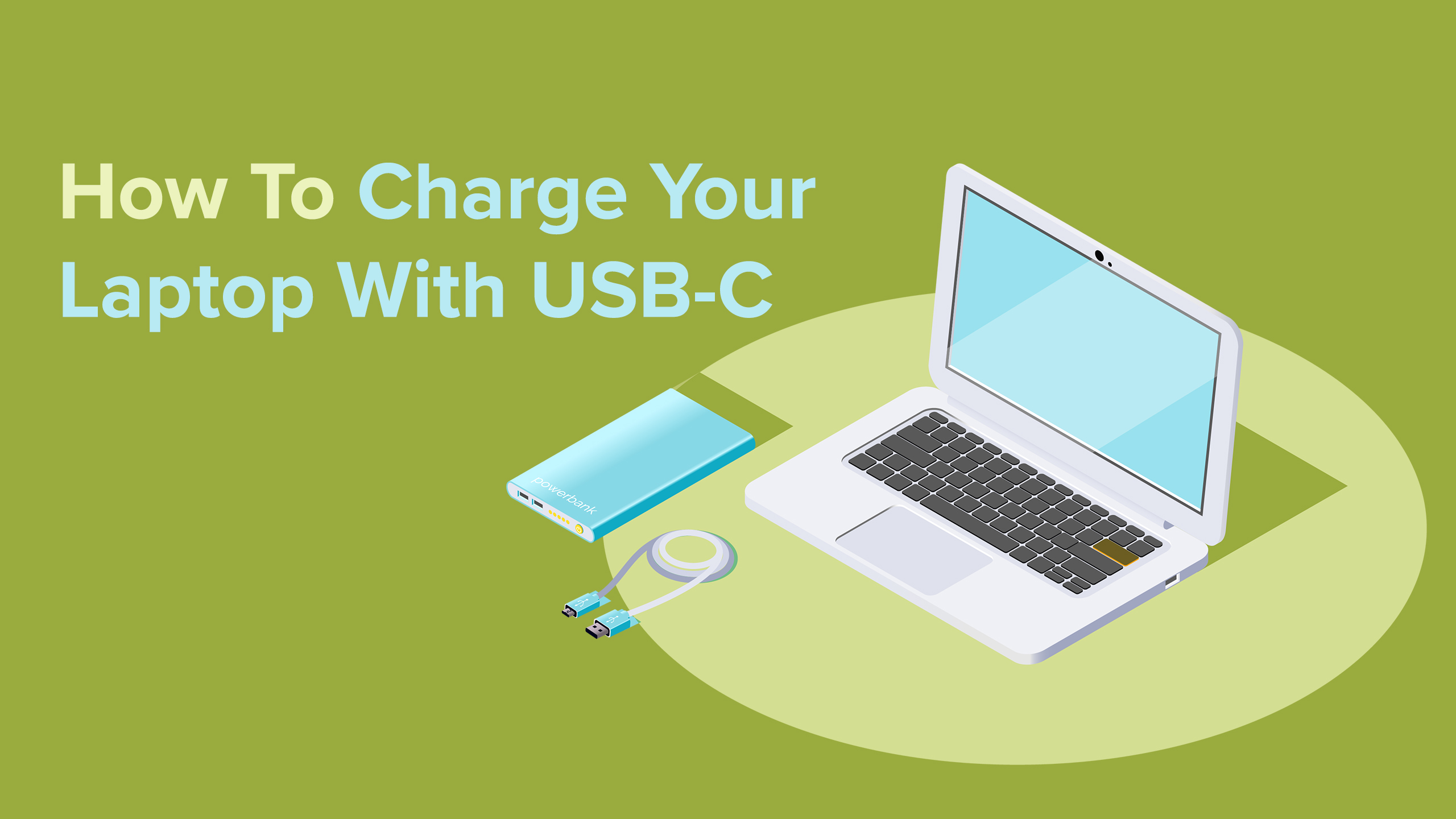
So, while the beautiful dream of one glorious charger for all our devices persists, sometimes, just sometimes, we have to admit defeat. Sometimes, that bulky brick, that original charger that came with your laptop, is still the undisputed champion. It's the dependable old friend. The one who truly, intimately understands your laptop's insatiable hunger for watts.
Don't misunderstand me, USB-C is truly amazing. It's revolutionised how we connect and power so many gadgets. It's made life infinitely easier for countless devices and their owners. But when it comes to the laptop, especially if it’s a powerhouse, sometimes you just have to respect its boundaries. And its rather specific, often very large, power demands.
We will continue to chase the elegance of a single, universal cable. The sheer convenience of truly universal charging. But deep down, sometimes, we know the honest truth. The laptop charger is a very special, very particular breed. And for now, for many of us, it lives on, steadfastly refusing to be replaced entirely. Long live the brick! (Said with a sigh of both resignation and affection, and maybe a slight chuckle.)