
Can You 3d Print With Metal
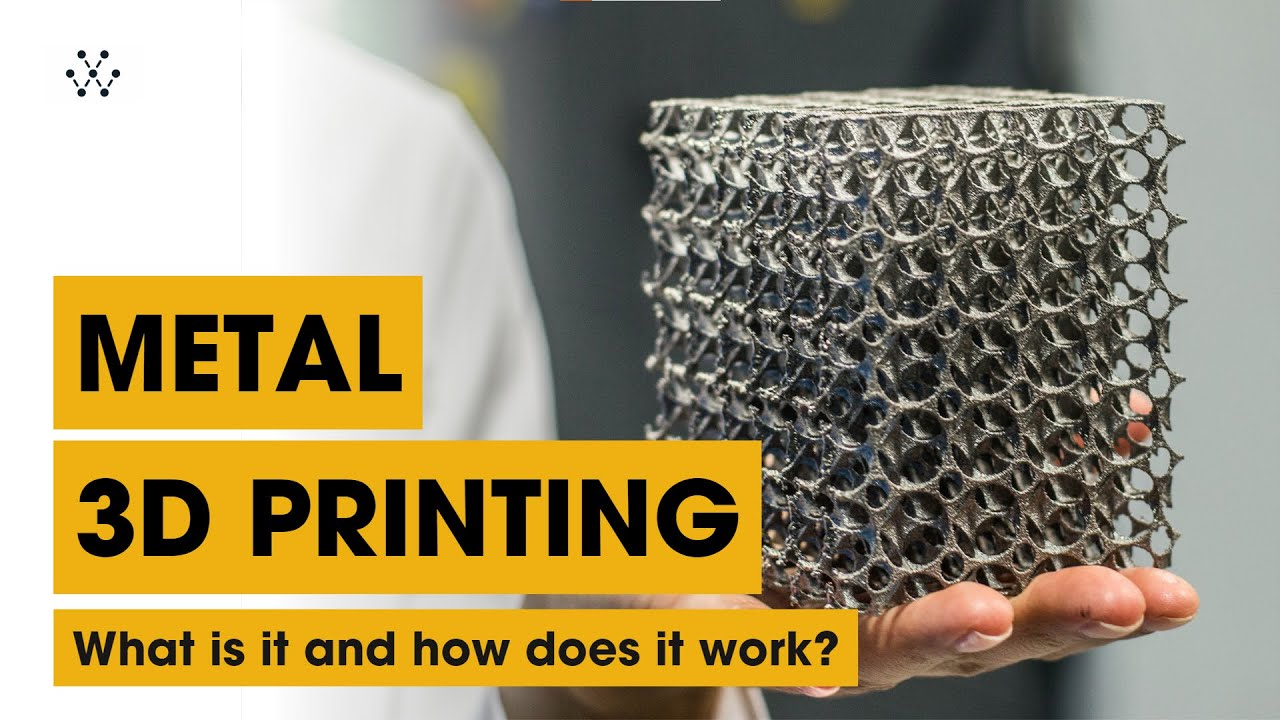
Alright, grab your imaginary coffee because we’re about to dive into something that sounds straight out of a sci-fi movie, but is actually happening right now. You know 3D printing, right? The magic box that spits out little plastic trinkets, maybe a wonky Yoda, or that surprisingly useful custom holder for your ever-growing collection of obscure board game pieces? Yeah, we’re all familiar with that.
But what if I told you that those innocent-looking machines aren't just for plastic anymore? What if I said you could, right this very second, 3D print an object made of… wait for it… METAL? Mind blown? Yeah, mine too when I first properly wrapped my head around it.
For most of us, "3D printing" conjures images of a printer head oozing melted plastic, slowly building up layer by gooey layer. It’s pretty neat for prototyping, or for finally getting that specific part for your vintage toaster that nobody makes anymore. But metal? That sounds like something Iron Man would do in his basement workshop, not a technology available outside of a top-secret villain's lair.
Must Read
Well, buckle up, buttercup, because the future is officially here, and it's got a metallic sheen. The short answer to "Can you 3D print with metal?" is a resounding, enthusiastic, and slightly bonkers "YES!"
How on Earth (or in the Lab) Does This Even Work?
Now, before you start picturing a giant metal bar being slowly melted down and extruded like a colossal tube of toothpaste, let's clear up some expectations. It’s a bit more sophisticated than your desktop FDM printer trying to handle a block of steel. You're not going to be printing a new fender for your car in your garage anytime soon, unless your garage is also a multi-million dollar industrial facility.
There are actually a few different methods, but they all generally involve very, very fine metal powders. Think super-fine pixie dust, but made of titanium, stainless steel, or even fancy nickel alloys. Instead of melted plastic, we’re talking about highly controlled, intense energy sources doing the heavy lifting.
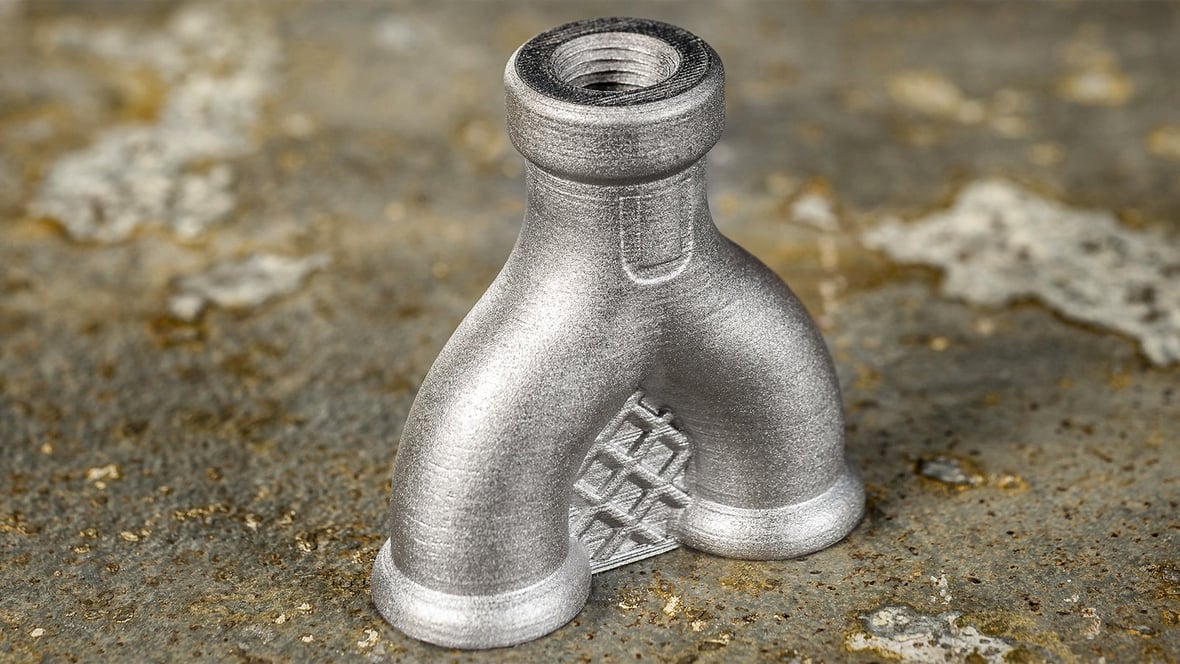
One popular method is called Selective Laser Sintering (SLS) or Selective Laser Melting (SLM). Imagine a bed of this fine metal powder. A powerful laser then selectively traces the shape of your object, melting or sintering (fusing) the powder together, layer by infinitesimal layer. It’s like drawing with a super-powered laser pen, but instead of light, you're leaving behind solid metal.
Then there's Binder Jetting. This is a bit like your inkjet printer at home, but instead of squirting ink onto paper, it’s squirting a binder (a kind of glue) onto a bed of metal powder. Once the entire object is "printed" in this green, powdery form, it goes into a furnace where the binder burns away and the metal particles fuse together, creating a solid metal part. It's essentially baking a metal cake!
Another fascinating one is Directed Energy Deposition (DED). This technique often involves blowing metal powder or wire directly into a melt pool created by a laser or electron beam. It's like a high-tech welding torch that can build up complex shapes from scratch or repair existing metal components. Talk about precision surgery for metal!
Why Is This Such a Big Deal?
Okay, so it’s cool. But beyond the "wow" factor, why does printing metal matter? A lot, actually! We’re talking about a complete paradigm shift in manufacturing.
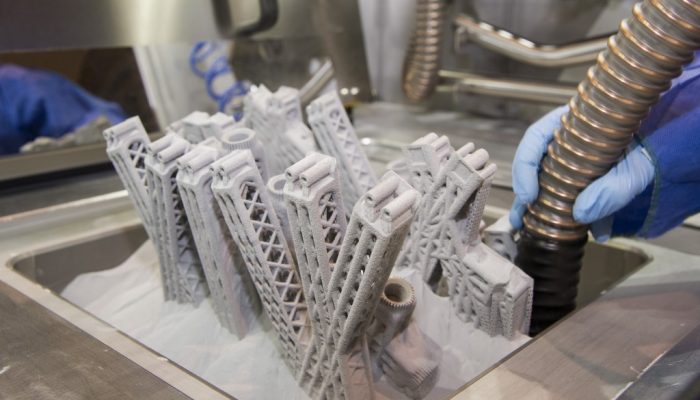
First off, complexity for free. With traditional manufacturing, creating intricate internal structures or impossible geometries is either prohibitively expensive or just plain impossible. But with 3D metal printing, you can design parts with internal lattice structures that are incredibly strong yet super lightweight. Think about a bird's bone structure – strong but hollow. Now imagine applying that principle to aerospace components or medical implants.
Next up, customization beyond belief. Ever needed a truly custom part for something, like a hip implant perfectly contoured to an individual patient’s anatomy? Or perhaps a rocket engine component optimized for a very specific performance goal? Metal 3D printing makes bespoke manufacturing a reality. No more "one size fits all" when "perfect fit for one" is achievable.
It also means faster prototyping and production. Instead of waiting weeks or months for tooling and casting, a design can be iterated and printed in metal within days. This accelerates innovation at a blistering pace, especially in industries where performance is paramount.
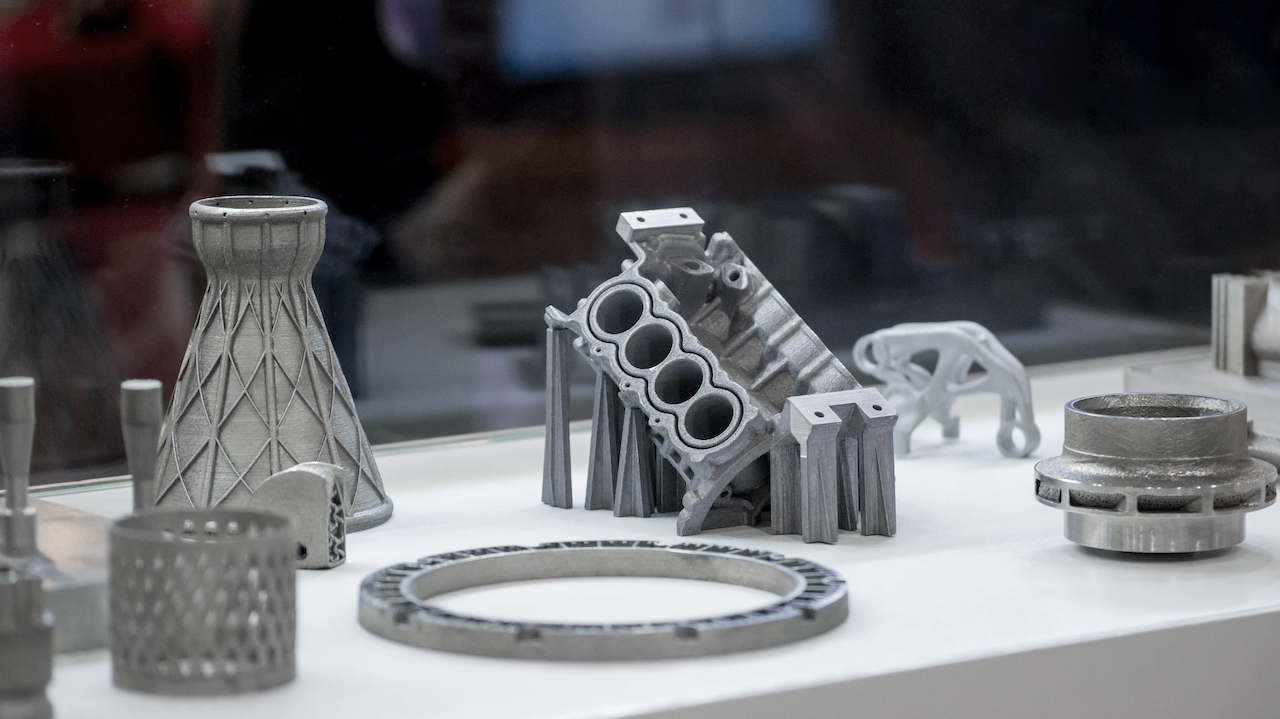
Oh, and did I mention supply chain revolution? Imagine printing spare parts on demand, reducing inventory, and making manufacturing more localized. Instead of shipping heavy metal components across continents, you might one day just send a digital file.
So, What's the Catch?
Of course, this isn't all rainbows and titanium unicorns. Metal 3D printing is still significantly more expensive and complex than plastic printing. The machines themselves cost hundreds of thousands, if not millions, of dollars. The metal powders are pricey, and the entire process requires highly skilled operators.
Also, post-processing is a thing. Once your metal part comes out of the printer (or furnace), it often needs additional steps like heat treatment to improve its strength, or machining to achieve a perfectly smooth surface. It's not always a "print and go" situation like with some plastic parts.
Where Is This Magic Being Used?
This isn't just lab talk. Metal 3D printing is already making waves in some pretty high-stakes industries.
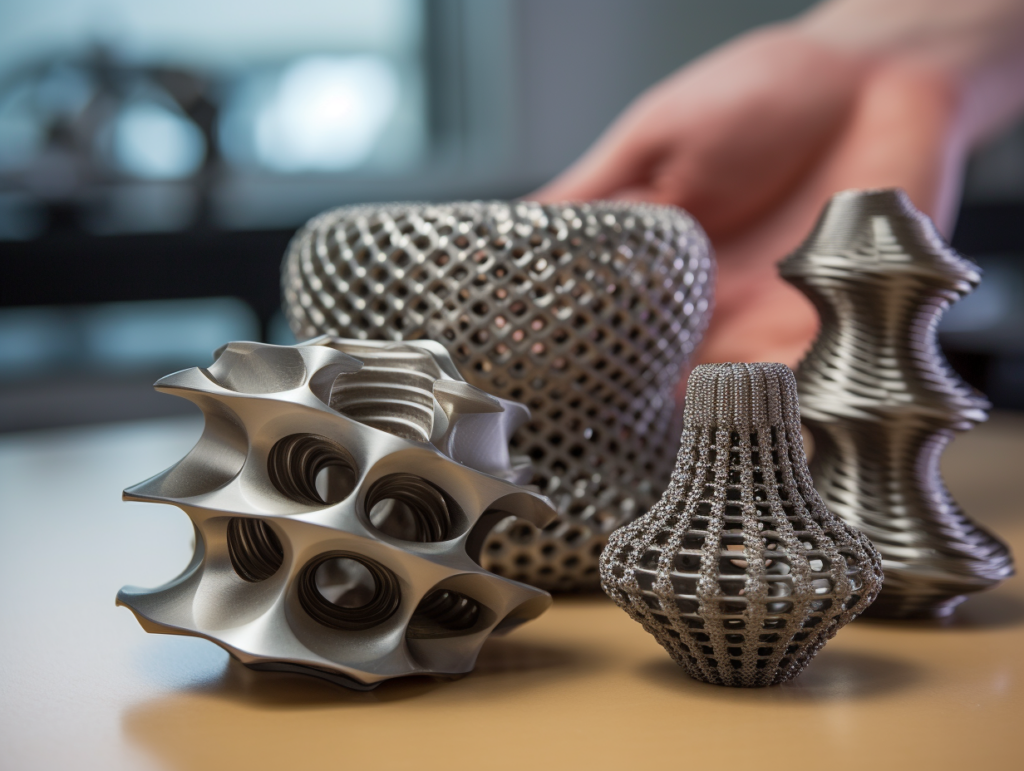
- Aerospace: Boeing and Airbus use it for lightweight, high-performance parts in planes and rockets. NASA even prints rocket engine components! These parts can be stronger, lighter, and more efficient than their traditionally manufactured counterparts.
- Medical: Custom surgical guides, dental implants, and prosthetic limbs are being created with unparalleled precision and biocompatibility. Imagine a jaw implant perfectly tailored to your unique bone structure.
- Automotive: High-performance car manufacturers are using it for specialized, lightweight components for race cars and luxury vehicles, pushing the boundaries of design and engineering.
- Tooling: It’s also used to create complex molds and tools with integrated cooling channels, leading to more efficient and durable manufacturing processes.
One of the most mind-blowing examples is GE Aviation printing fuel nozzles for jet engines. They used to be made of 20 separate parts, welded together. Now, they're printed as a single piece, making them 25% lighter and five times more durable. That's not just cool; that's game-changing.
The Future is Shiny (and Metallic!)
So, the next time you see a flimsy plastic keychain pop out of a 3D printer, remember that its bigger, stronger, more serious cousin is out there, building rocket parts and medical marvels. We’re still in the relatively early days, but the pace of innovation is staggering.
Will we one day print our own metal robot butler? A custom-fit, indestructible coffee mug? A fully functional, street-legal car right in our driveway? Maybe not tomorrow, but the groundwork is being laid. The ability to manifest complex, functional metal objects from a digital design is nothing short of revolutionary.
So, yes, you can 3D print with metal. And it’s not just a parlor trick; it's a testament to human ingenuity, pushing the boundaries of what’s possible, one laser-fused layer at a time. The future, it seems, is going to be incredibly strong, remarkably light, and fantastically metallic.