
Can You 3d Print Carbon Fiber

Ever gazed at a sleek carbon fiber bike frame, a high-performance drone, or even a fancy wallet, and thought, "Man, I wish I could just 3D print that?" You're not alone. The allure of carbon fiber—its incredible strength, featherlight weight, and undeniable cool factor—is enough to make any maker's heart flutter. But can you really bring that magic to your desktop 3D printer?
The Million-Dollar Question: Is It a Pipe Dream or a Print Reality?
Let's cut to the chase: The answer is a resounding, yet nuanced, yes! While it's not as simple as loading up a spool of standard PLA, 3D printing with carbon fiber isn't just for aerospace giants anymore. It largely depends on what kind of "carbon fiber" we're talking about, and what you want to achieve.
The Accessible Entry: Carbon Fiber Filled Filaments
For most of us hobbyists, this is our first dance with carbon fiber. Imagine your favorite everyday plastics—PLA, PETG, Nylon—but infused with tiny, chopped-up bits of carbon fiber. These aren't just aesthetic upgrades; they offer some legitimate performance boosts.
Must Read
What they are: Essentially, these are composite filaments where a base plastic is mixed with short carbon fiber strands, typically ranging from 5-20% by weight. Think of it like adding rebar to concrete, but on a microscopic scale.
The perks: Parts printed with these filaments are noticeably stiffer, have improved tensile strength, and often boast a gorgeous, matte black finish that just screams "premium." Plus, they tend to shrink less during printing, making them easier to work with than some pure engineering plastics.
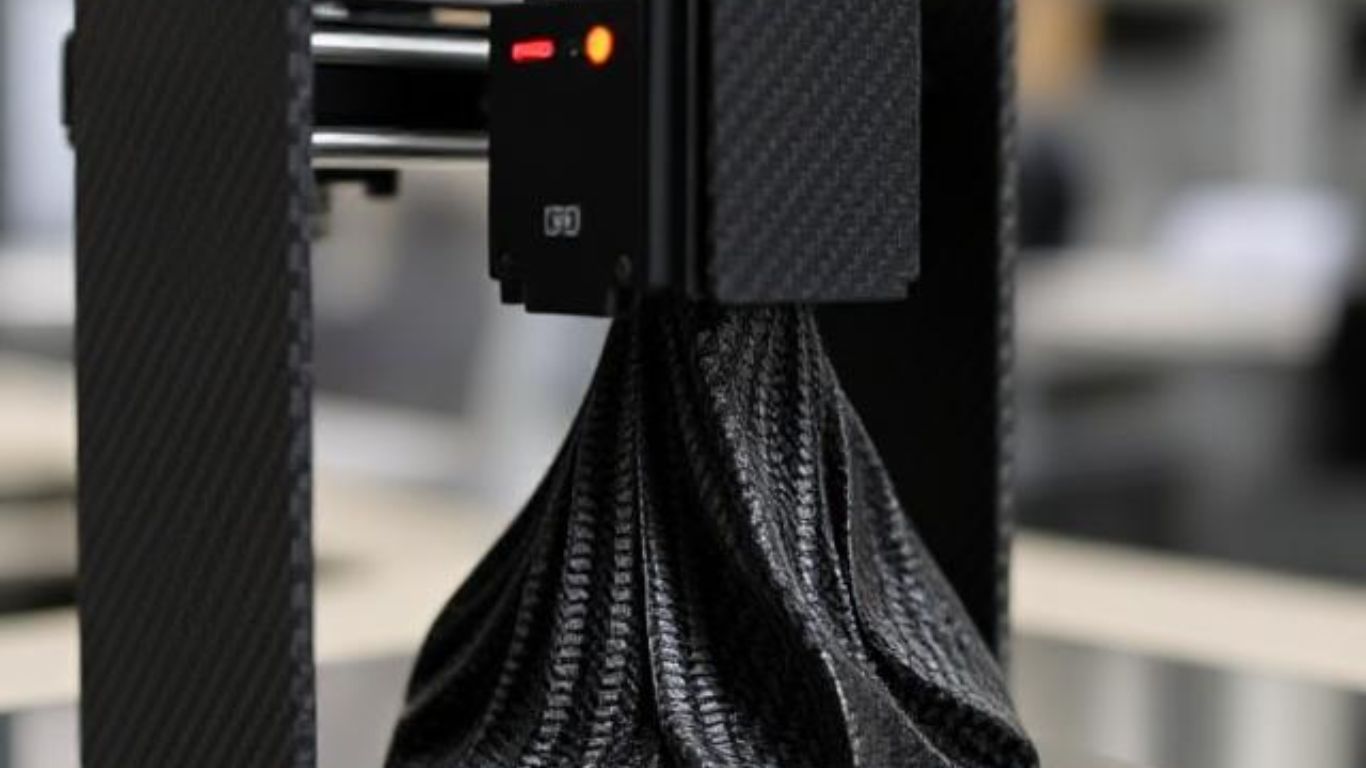
The catch: While stronger than pure plastic, they're still not as strong as continuous carbon fiber, and they can be a bit more brittle. Also, those tiny carbon fibers are abrasive! Your standard brass nozzle will be eaten alive faster than a free pizza at a tech conference. A hardened steel nozzle is a must-have upgrade here. Think of it as investing in the right tools for the job, like a proper chef's knife for a gourmet meal.
Best for: Prototypes, aesthetic parts, jigs and fixtures, drone frames where some rigidity is key but ultimate strength isn't paramount. It's fantastic for elevating a print from "plastic thing" to "pretty robust plastic thing."

The Holy Grail: Continuous Carbon Fiber
Now, this is where things get really exciting, and a bit more advanced. When people talk about "real" 3D printed carbon fiber, they're often referring to printers that can embed a continuous strand of carbon fiber directly into a plastic matrix as it prints. This is the difference between chopped rebar and a full, uninterrupted steel beam.
What it is: Specialized machines, like those from Markforged, use a dual-nozzle system. One nozzle lays down a thermoplastic (like Nylon), while the other precisely embeds a continuous, hair-thin strand of carbon fiber along the critical stress paths of your part. It's like having a robot weave a super-strong fabric into your 3D print.
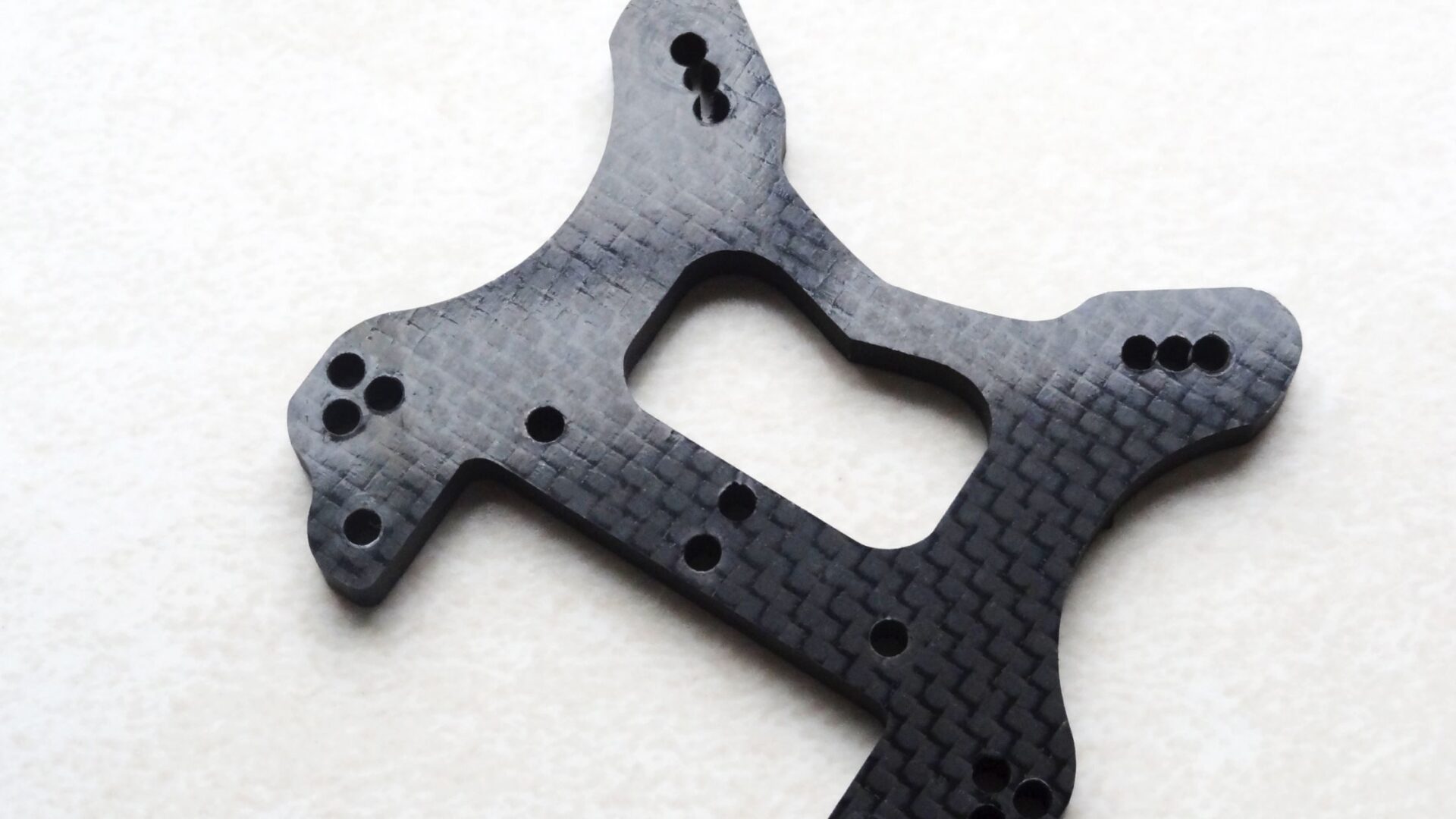
The superpowers: This technique yields parts with an incredible strength-to-weight ratio, rivaling or even surpassing aluminum. We're talking parts strong enough for serious functional applications in aerospace, automotive, and industrial tooling. Imagine printing a lightweight, custom bracket for your car that's strong enough for track day!
The hurdles: Predictably, this technology comes with a significantly higher price tag and a steeper learning curve. These aren't your typical hobbyist printers, but the technology is steadily evolving.
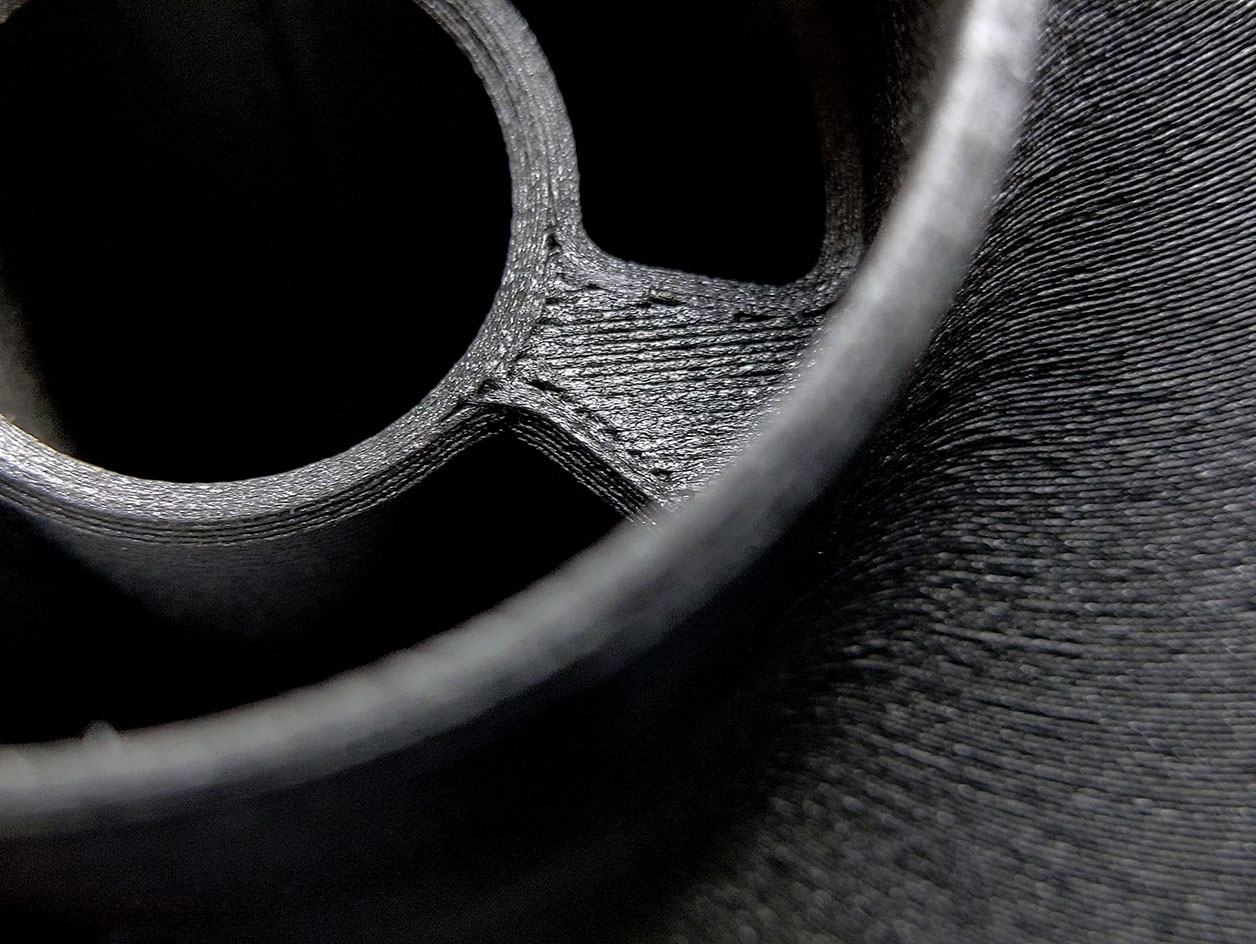
Best for: Functional end-use parts, aerospace components, manufacturing jigs and fixtures, high-performance drone parts, prosthetic devices, and anything where true structural integrity and light weight are paramount.
Practical Tips for Your Carbon Fiber Journey
- Nozzle Upgrades: Seriously, get a hardened steel or even a ruby-tipped nozzle for any carbon fiber-filled filament. Your brass nozzles will thank you by not disappearing.
- Dry It Out: Many carbon fiber-filled filaments, especially nylon-based ones, are very hygroscopic (they love to absorb moisture). A filament dryer is your best friend for crisp, strong prints.
- Ventilation: While generally safe, printing with some engineering plastics and composites can produce fumes. Good ventilation is always a smart move.
- Slicing Savvy: Experiment with infill patterns and layer heights. For maximum strength with continuous fiber, understanding load paths and fiber placement is key.
The Thrill of the Future
The ability to 3D print carbon fiber, whether it's filled or continuous, represents a massive leap for makers and engineers alike. It democratizes access to materials and capabilities once exclusive to high-tech labs and massive corporations. We're moving from simply making trinkets to crafting truly functional, high-performance components right in our homes or workshops.
So, can you 3D print carbon fiber? Absolutely. While the "how" might vary based on your budget and ambition, the journey itself is part of the fun. It's a testament to human ingenuity, constantly pushing the boundaries of what's possible. Just like we learned to ride bikes, drive cars, or use a new app, embracing new materials and technologies in 3D printing is all about curiosity and a willingness to learn. Who knows what incredible creations you'll whip up next?