
Can The Gas In Your Car Freeze

Chasing Away the Winter Chill: Does Your Car's Gas Play Freeze Tag?
The world outside sparkles with frost. Your breath plumes in the crisp morning air as you bundle up, keys in hand. There’s a quiet hum of anticipation, maybe a little shiver, as you head to your car. One common winter worry often pops into our minds: will my car even start?
We fret about dead batteries, slick roads, and scraping ice off the windshield. But deep down, for many of us, there’s a fleeting thought, a tiny whisper of concern: "Can the gas in my car freeze solid?" It's a valid question, especially when everything else feels like an ice cube.
The Great Gas Freeze-Out: A Mythical Tale?
Imagine a world where your fuel tank turned into a giant gasoline popsicle. No joyous Christmas drives, no quick dashes for hot chocolate, no escaping the in-laws! It sounds like a scene from a rather chilly nightmare, doesn't it?
Must Read
Thankfully, the reality is far less dramatic, and dare we say, a little heartwarming. The good news, dear driver, is that the gasoline itself in your tank is remarkably resilient. It’s a true winter champion, designed to keep flowing even when Jack Frost is in a particularly grumpy mood.
Think about it: car engineers aren't just designing sleek dashboards and powerful engines. They're also thinking about how your car behaves when it's colder than a polar bear's toenails. They've baked in some serious cold-weather smarts into your fuel.
This foresight means fewer worries for you and more freedom to enjoy the unique charm of winter. You can focus on the beauty of snow-covered landscapes instead of fretting over a frozen fuel line.
The Unsung Hero: Gasoline's Superpower
Gasoline has a super low freezing point. We're talking seriously, ridiculously low. It would have to be extraordinarily, unnervingly cold for the actual liquid fuel to turn into a solid block. Much, much colder than most places on Earth ever experience, even in the depths of winter.
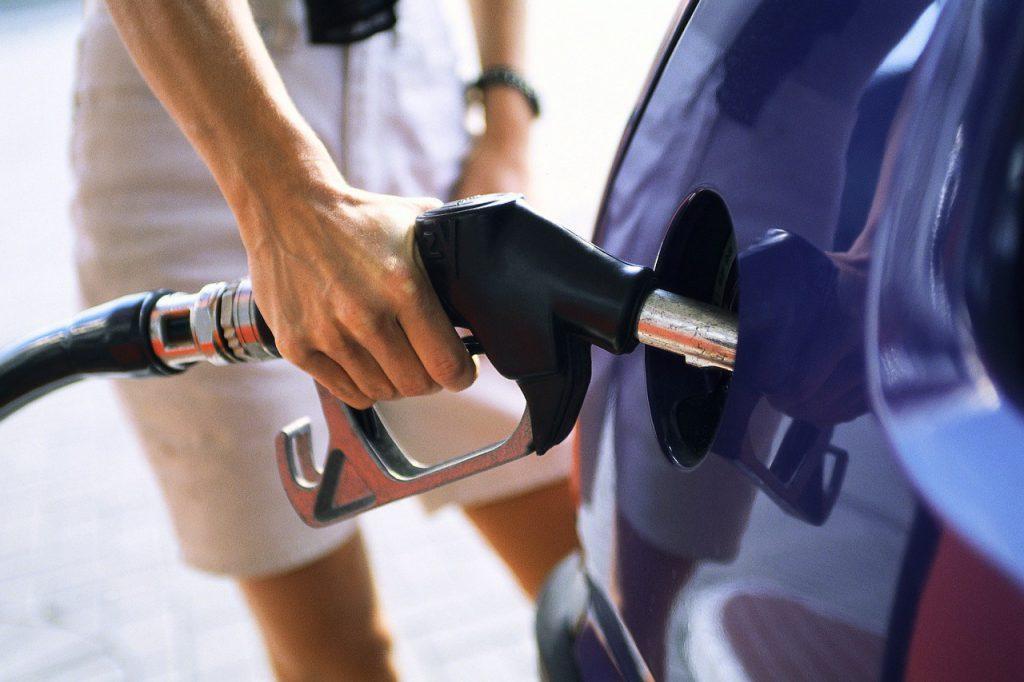
We're talking temperatures that would make Antarctica feel like a spa day. So, for the everyday driver, zipping around town or embarking on a snowy adventure, your actual fuel is highly unlikely to freeze. This is thanks to careful refining and blending.
"Our cars, with their tireless fuel, are the unsung heroes of countless winter memories, keeping our spirits warm even when the world outside is frigid."
This reliable performance allows us to focus on the joy of winter: the twinkle of holiday lights, the smell of wood smoke, the crunch of fresh snow underfoot. It allows our vehicles to be more than just transportation; they become vessels of warmth and connection, carrying us to cherished moments.
It’s a silent promise of adventure and dependability, allowing families to gather, friends to explore, and individuals to enjoy the crisp, clear beauty of the season without a hitch.
But Wait, There's a Tiny, Icy Twist!
While gasoline itself is largely immune to freezing in typical conditions, there's a sneaky little troublemaker that can cause issues: water. Yes, ordinary water. It can find its way into your fuel tank in various ways, often through condensation.
Picture this: a tiny droplet of water, a stowaway in your fuel tank, suddenly facing truly frigid temperatures. Unlike gasoline, water freezes at a much higher temperature – 32°F (0°C).

When this happens, those little ice crystals can cause big headaches. They can clog your fuel lines, block your fuel filter, or even seize up your fuel pump. It’s like a tiny, frozen blockade making a nuisance of itself right inside your car's vital systems.
This is why sometimes, on a brutally cold morning, your car might crank but refuse to start. It’s not the gasoline being stubborn; it’s likely those pesky water ice crystals playing a very unwelcome game of freeze tag within your fuel system, stopping the flow.
The car sounds like it wants to go, but a crucial element is missing. It’s a frustrating moment, often mistaken for a more serious problem, but usually just a small ice formation creating a big fuss.
A Little Love for Your Fuel Tank
So, what's a proactive, winter-loving driver to do? The good news is that preventing these icy interlopers is surprisingly simple. Keeping your fuel tank at least half full, especially during cold snaps, helps reduce the space available for condensation to form.

Think of it as giving your fuel tank a cozy, full feeling, leaving less room for frosty mischief. A full tank means less air, and less air means less humidity to condense into water droplets. It’s a simple act of prevention that goes a long way.
For extra peace of mind, especially if you live in an area known for extreme cold, you might consider using a fuel line anti-freeze additive. These simple, inexpensive solutions work wonders by bonding with any water present.
They essentially lower the freezing point of that water, preventing it from forming ice crystals. It’s like giving your fuel system a warm, preventative hug, ensuring everything keeps flowing smoothly, no matter how low the thermometer drops.
Choosing a reliable brand and following the instructions on the bottle is all it takes. It’s a small step that can save you a lot of cold-weather frustration and ensure your car is always ready for your next adventure, reliably starting every time.
Embrace the Winter Wonderland, Worry-Free
Knowing that your fuel is built for the cold allows you to embrace winter with a sense of freedom. Think of all the places your reliable car can take you: to see snow-covered mountains, to visit family for the holidays, or just on a scenic drive to admire the frosted landscape.
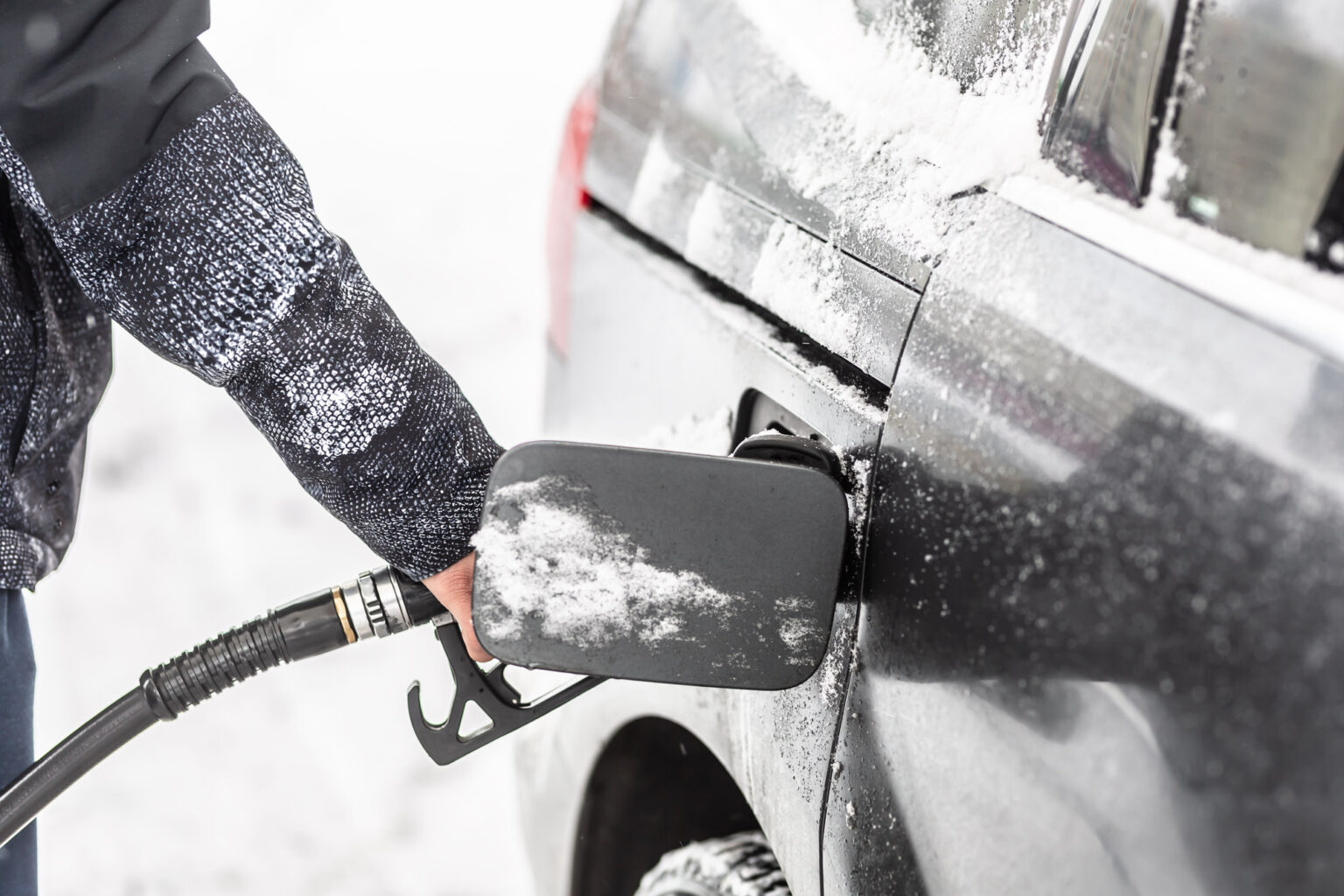
Your car, empowered by its resilient fuel, becomes a trusted companion in these frosty months. It’s there for those spontaneous trips to the sledding hill or that urgent dash for ingredients to bake holiday cookies, always dependable.
There’s a quiet joy in knowing that something as fundamental as your car's fuel is working tirelessly, invisibly, to keep your life moving forward. It’s a testament to ingenuity that allows us to cherish the beauty and unique experiences that winter brings.
So, next time you see snow flurries or feel that biting wind, remember this little secret: your gasoline isn't worried about freezing. It's too busy getting ready to power your next heartwarming journey, making new memories possible.
It’s a small piece of knowledge, but one that can bring a surprising sense of relief and appreciation for the engineering marvel under your hood. Go ahead, fill 'er up, and let your car carry you through the frosty season with confidence and a warm heart.
The roads may be white, but your journey will be anything but cold, thanks to the quiet dependability of your car and its amazing fuel. Here's to safe, warm, and happy winter travels, fueled by peace of mind!