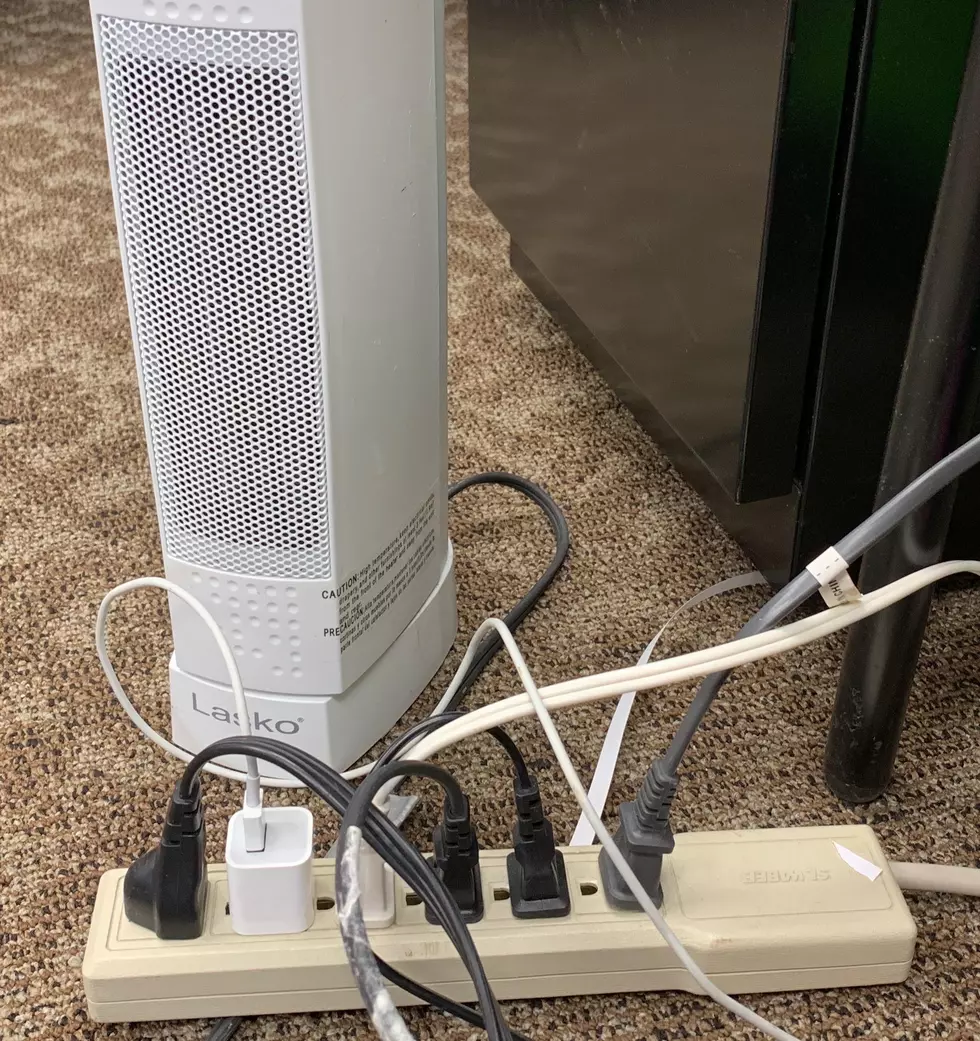
Can Space Heaters Be Plugged Into Power Strips
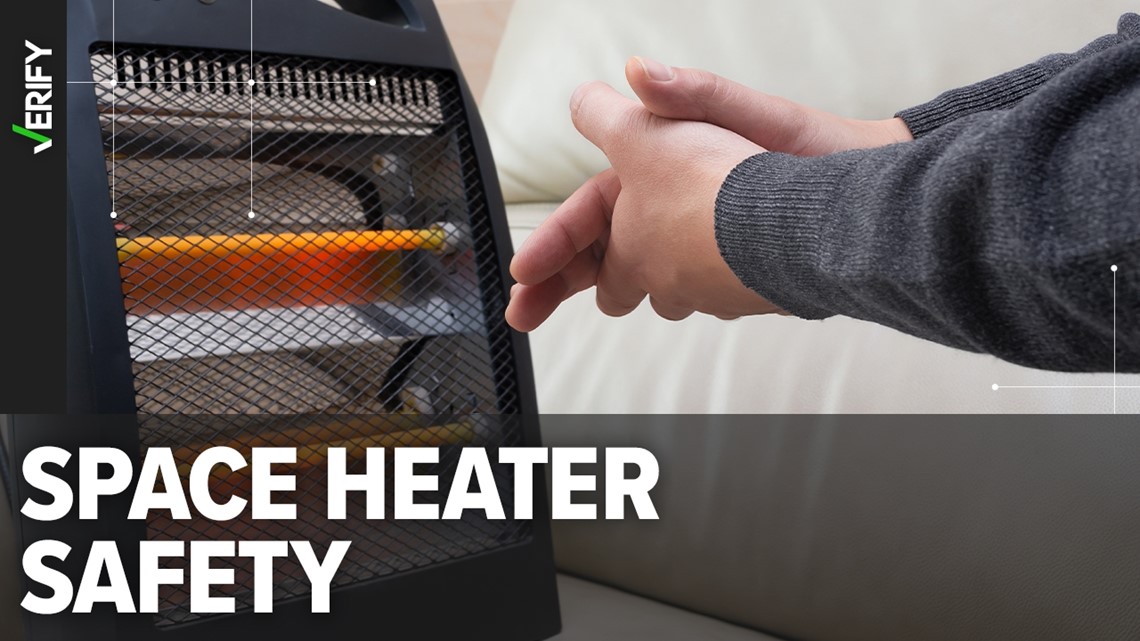
Okay, let's talk space heaters and power strips. It's a chilly evening, you're curled up on the couch with a good book, and that little space heater is blasting out some much-needed warmth. But... is it plugged into a power strip? And more importantly, should it be?
Think of your electrical outlets like a highway. Each outlet has a certain "load capacity," a maximum amount of electricity it can safely handle. Imagine cars on that highway – too many cars and you get a massive traffic jam. Too much electricity and, well, you get a different kind of problem. We're talking potential fire hazards here, folks, and nobody wants their cozy night turning into a visit from the fire department!
Why It Matters (and Why You Should Care!)
Now, you might be thinking, "My power strip has like, a dozen outlets! It can handle anything!" That's where the sneaky part comes in. Just because it has a dozen outlets doesn't mean it should be using all of them at once. Power strips are great for plugging in things like lamps, phone chargers, and maybe your laptop. Things that sip electricity gently like a hummingbird drinking nectar. But space heaters? They guzzle electricity like a thirsty camel after a long trek through the desert!
Must Read
A power strip acts as a single outlet. Think about it – all those sockets on the power strip are funneling electricity through one central point, which then plugs into one outlet in your wall. So, if that single wall outlet is already nearing its capacity, adding a power-hungry space heater to the mix is just asking for trouble. It's like trying to fit a football team into a clown car – eventually, something's going to break (or, in this case, overheat).
The Space Heater's Dirty Little Secret (Electricity Hogs!)
Space heaters are notorious energy vampires. They need a lot of juice to generate heat. It's like trying to power a miniature sun in your living room (though thankfully, much less dangerous than actually trying to power a miniature sun!). That high energy demand is why you see warnings all over the place about plugging them in directly into a wall outlet.
Think of it this way: Your microwave is a demanding houseguest, and your toaster oven isn't exactly shy about its needs either. You wouldn't plug both of them into the same power strip, would you? Space heaters are in the same league, maybe even a bit more demanding.
So, What's the Big Deal? (Potential Perils)
Okay, so what could happen? The worst-case scenario is, of course, a fire. Overloaded circuits can overheat, melt wires, and ignite nearby materials. Even if it doesn't get that dramatic, an overloaded circuit can trip your breaker, leaving you in the dark and cold (ironic, right?).
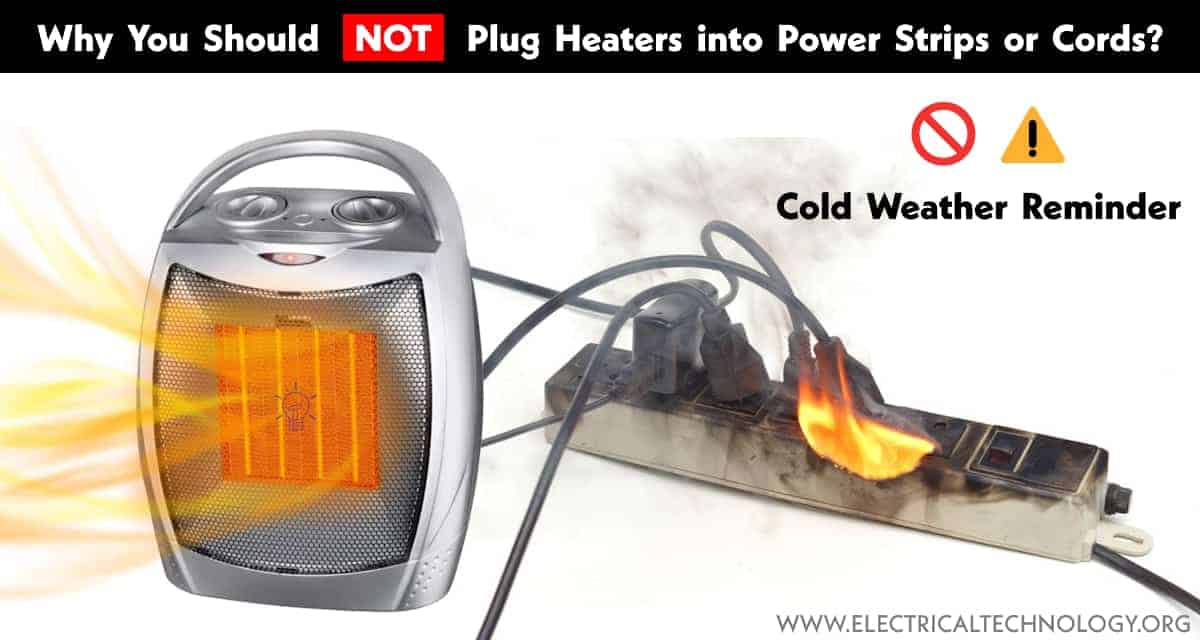
But even if the breaker doesn't trip, you could still be damaging your wiring. Repeatedly overloading circuits can weaken them over time, making them more prone to problems down the road. It's like constantly running your car on empty – it might work for a while, but eventually, you're going to end up stranded on the side of the road.
The Golden Rule (Direct Connection is Key)
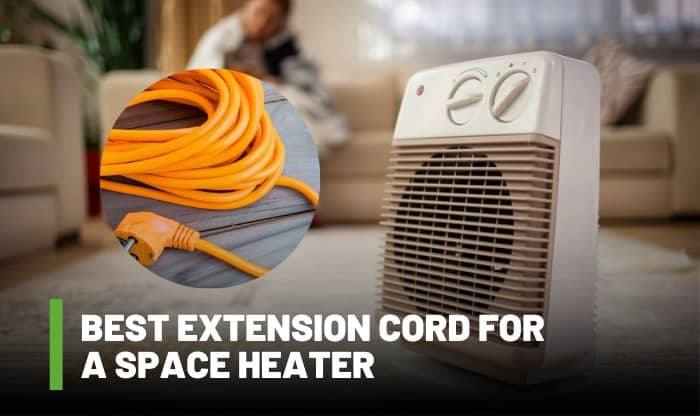
The general rule of thumb is: Always plug your space heater directly into a wall outlet. No power strips, no extension cords (unless it's a heavy-duty one specifically designed for appliances), just a straight shot from the heater to the wall.
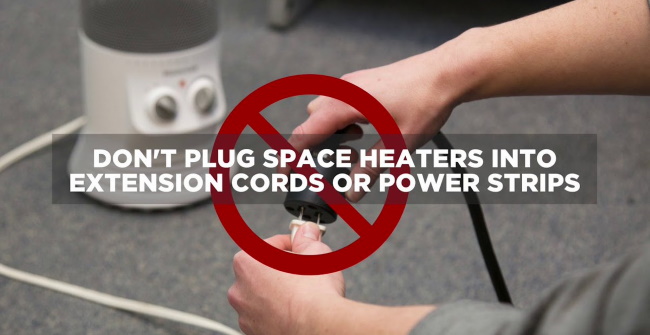
If you absolutely have to use an extension cord, make sure it's a heavy-duty cord rated for the same amperage as your space heater (check the heater's label). But honestly, the best solution is to rearrange your furniture, move the heater closer to an outlet, or, if necessary, have an electrician install an additional outlet. It's a small investment that can save you a lot of headaches (and potential fire damage) in the long run.
Beyond the Power Strip (Other Safety Tips)
While we're on the topic of space heaters, let's quickly cover some other essential safety tips:
- Keep it Clear: Don't place anything flammable near the heater – curtains, blankets, furniture, Uncle Joe's prized collection of antique newspapers. Give it a good three-foot safety zone.
- Level Ground: Make sure the heater is on a stable, level surface. We don't want any accidental tip-overs!
- Supervise: Never leave a space heater unattended, especially if you have children or pets. Curious paws and little fingers can get into trouble fast.
- Maintenance Matters: Regularly inspect your space heater for any signs of damage – frayed cords, loose connections, or strange smells. If you notice anything amiss, stop using it immediately and get it repaired or replaced.
So, there you have it. A little bit of knowledge can go a long way toward keeping your home safe and cozy this winter. Remember, when it comes to space heaters, direct connection is key. Stay warm, stay safe, and happy heating!