
Can Propane Smell Make You Sick

Hey there, fellow human! Ever been chilling in your backyard, maybe firing up the grill, or just walking past an RV, and suddenly... whoosh! You get that unmistakable whiff of what smells suspiciously like rotten eggs or maybe a skunk having a bad day? That’s right, we’re talking about the infamous propane smell. And if you’re anything like me, your immediate thought probably isn’t, "Oh, what a lovely aroma!" It’s more like, "Uh oh, is this going to make me sick?"
Good news, bad news, and mostly great news ahead! Let's dive into the pungent world of propane and sniff out the truth about whether that distinctive odor can send you running for the nearest sick bucket.
First things first: What is that smell anyway?
Here’s a fun little fact that might surprise you: Pure propane itself is actually odorless. Yep, totally scent-free. Like a ninja of the gas world, it could sneak around without anyone knowing! Which, as you can imagine, is not ideal for safety when you're dealing with something flammable.
Must Read
So, to prevent tiny, invisible gas ninjas from causing big, fiery problems, the clever folks in charge decided to add a special ingredient. Enter ethyl mercaptan (or sometimes just 'mercaptan' to its friends). Think of it as propane's very enthusiastic (and smelly) bodyguard. It’s a chemical compound specifically chosen because it smells absolutely, unequivocally awful, even in tiny concentrations. We're talking skunk spray meets old gym socks meets something vaguely sulfuric. It’s designed to be unforgettable and impossible to ignore – a super-alert for your nose!
So, can the smell make you sick?
This is where it gets interesting, and a little nuanced. Let's separate the "smell" from the "actual propane gas."
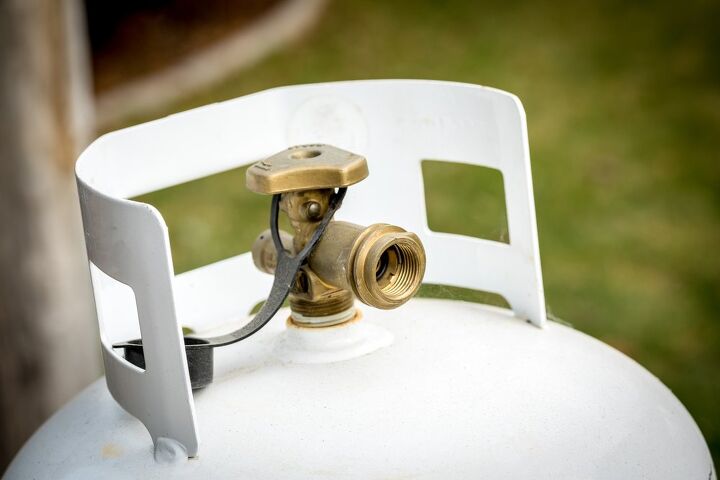
The smell itself – that lovely mercaptan – is generally not toxic in the small amounts needed for you to detect a leak. Its entire purpose is to be a warning sign, not a silent assailant. You smell it, you react, you investigate. It's like a really loud, obnoxious alarm clock that smells.
However, if you're exposed to a very strong, concentrated amount of mercaptan for a prolonged period (which would indicate a pretty significant leak, by the way!), some people might experience minor, temporary symptoms. We're talking a headache, a bit of dizziness, or a touch of nausea. This is usually more due to the sheer overwhelming nature of the odor being an irritant, rather than the mercaptan being inherently poisonous in the way certain other chemicals are.

Think of it like this: if someone sprays an entire can of air freshener right in your face, you might feel a bit woozy and overwhelmed, right? The air freshener isn't "toxic" in that dose, but it's definitely an irritant. Mercaptan works similarly, but on a much more potent scale designed for safety.
What about the actual propane gas?
Ah, now this is the important distinction. While the smell (mercaptan) is your warning system, the unseen propane gas itself is what you need to be truly cautious about. Propane is a simple asphyxiant. What does that mean? It means it doesn’t directly poison you, but it displaces oxygen. And we humans? We need oxygen to live, breathe, and function properly!
If you're in an enclosed space with a significant propane leak, the propane can push out the oxygen, leading to oxygen deprivation. Symptoms of mild propane exposure (due to lack of oxygen) can include:

- Dizziness or lightheadedness
- Headaches
- Nausea
- Feeling a bit sluggish or confused
At higher concentrations, or with prolonged exposure, these symptoms can become much more severe, leading to rapid breathing and heart rate, loss of coordination, fainting, and even, in very extreme cases, suffocation. But here’s the crucial bit: you'll almost certainly smell the mercaptan long before you reach dangerous levels of propane exposure. That's its superpower!
So, what should you do if you smell it?
Don't be a hero, be a smarty-pants! If you ever smell propane:

- Don't panic, but act fast.
- Open windows and doors to air out the area.
- If safe to do so, turn off the gas supply to the appliance or the main tank.
- Get everyone out of the building immediately.
- Do NOT use cell phones, light switches, flashlights, or anything that could create a spark near the leak.
- Once you're safely away, call your gas provider or emergency services from a neighbor's house or your cell phone (once you're clear of the area).
The smell is your friend! It’s telling you, "Hey, buddy, something's not quite right here! Time to investigate safely!" It's like your nose doing a very important (and very stinky) job of detective work.
The uplifting conclusion!
So, can propane smell make you sick? The smell itself, mercaptan, is a fantastic safety feature designed to make you aware of a potential danger, not to poison you directly. While an overwhelming stench might give you a temporary headache or make you feel a little queasy (and honestly, who wouldn't be?), its primary role is as a noisy alarm clock, ensuring you take action before the truly dangerous, odorless propane can cause harm.
Ultimately, that tell-tale rotten egg smell is a gift! It’s a loud, clear, and unmistakable warning, giving you ample time to address a leak and stay safe. So, next time you catch a whiff, remember to thank your nose for being such a diligent safety officer, take the necessary precautions, and then go back to enjoying your day, knowing you've handled a potential situation like a pro. Stay safe, stay smart, and keep smiling!