
Can Natural Gas Make You Sick

Ever walked into your kitchen and thought, "Is that... rotten eggs? Or did I forget to take out the trash again?" If your nose is tingling with that distinct, sulfuric whiff, chances are you're smelling natural gas. But here's the million-dollar question that might pop into your head between covering your nose and wondering if you left the burner on: Can natural gas actually make you sick?
Let's pull up a comfy chair and chat about it, because while it's important to be clued in, it's also not something to lose sleep over – as long as you know the drill!
The Smell Test: It's Not What You Think!
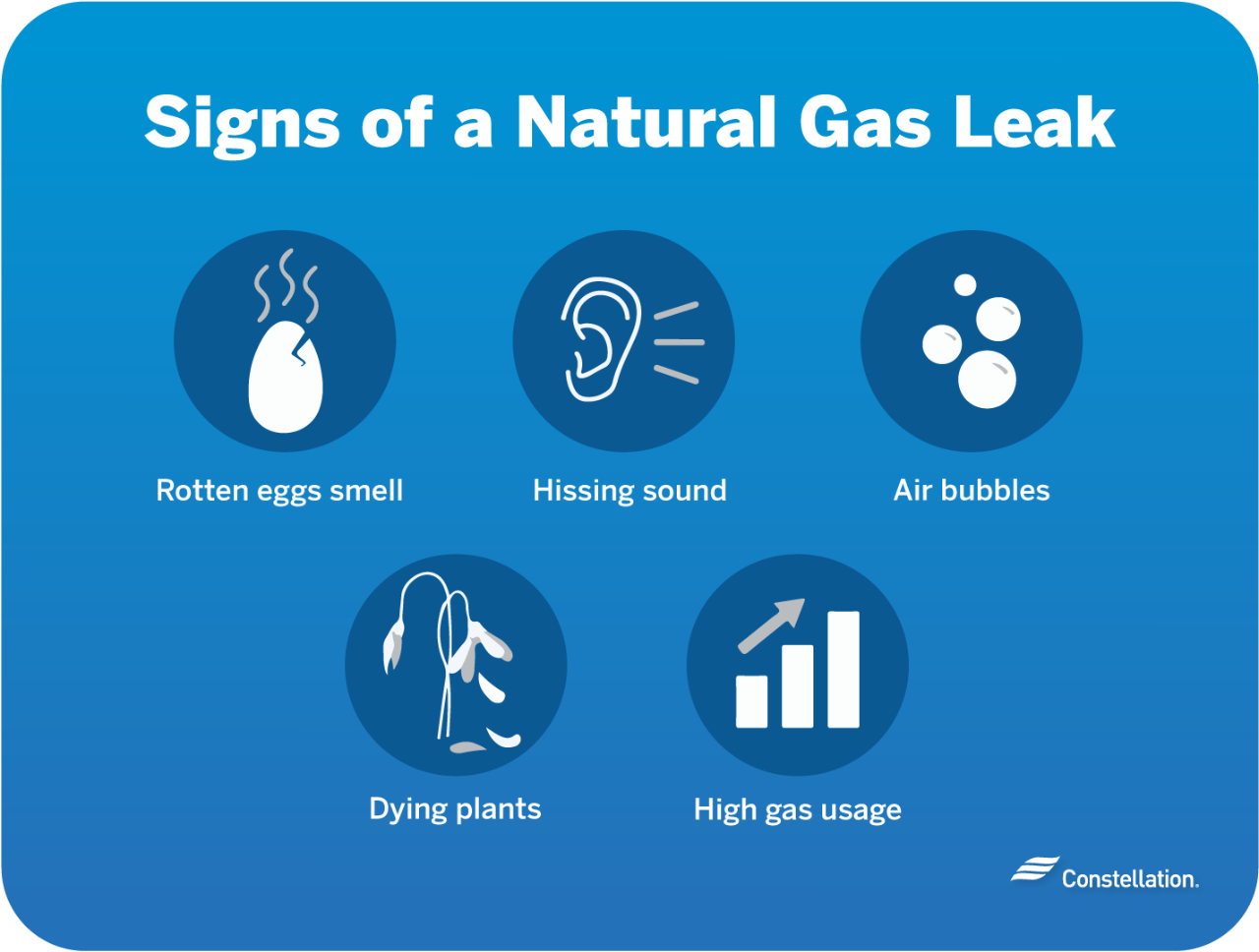
First things first: that signature smell? That's not natural gas itself. Nope! Natural gas is actually pretty much odorless in its raw form. Think of it like a ninja – silent and invisible. But since a ninja gas leak could be, well, a disaster waiting to happen, gas companies add a special scent to it.
Must Read
This odorant is called mercaptan, and it smells like a super-concentrated, slightly-too-long-in-the-sun hard-boiled egg. Your gas company isn't trying to prank you; they're giving you a built-in alarm system!
So, if you get a little whiff of mercaptan, will it make you feel poorly? Generally, in small, brief exposures, no. You might find it unpleasant, even a bit startling, but it's not the gas itself that's toxic in that scenario. It's more like a polite (but firm!) knock on your door saying, "Hey, something's not quite right here!"
The Invisible Bully: Carbon Monoxide
Now, this is where things get a bit more serious and where the real danger often lurks. While natural gas itself (the stuff coming out of the pipe) isn't directly toxic to breathe in small amounts, its naughty cousin, carbon monoxide (CO), absolutely is. And here's the kicker: CO is completely odorless, colorless, and tasteless. It's the ultimate sneaky villain.

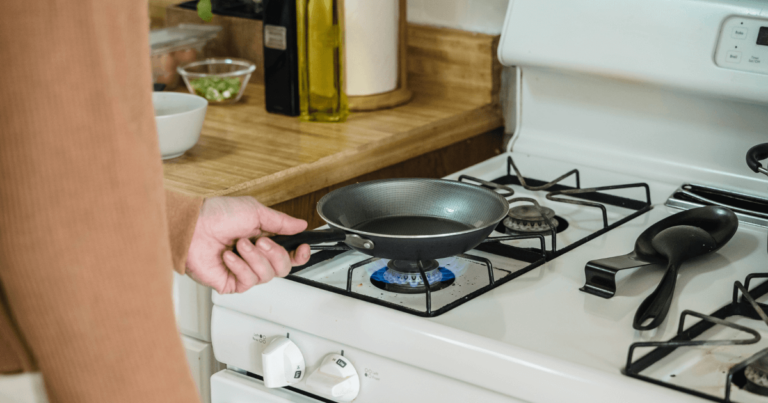
How does CO show up at your party? Well, natural gas needs to burn completely to be safe. If your furnace, water heater, gas stove, or fireplace isn't working quite right – maybe the flame is a bit yellow instead of crisp blue, or it's just not venting properly – it can start producing CO. Think of it like a car engine sputtering out exhaust fumes in an enclosed garage. Not good!
Carbon monoxide is a real health hazard because it cleverly tricks your body. When you breathe it in, it latches onto your red blood cells way more eagerly than oxygen does. It essentially starves your body of the oxygen it needs, leading to some pretty nasty symptoms.
Symptoms of CO poisoning can be tricky because they often mimic the flu, a bad headache, or just feeling "off." You might experience:
- A dull headache
- Dizziness and nausea
- Shortness of breath
- Confusion
- Blurred vision
- Feeling unusually tired
And here's the truly scary part: because it's so sneaky, people can sometimes drift off to sleep and never wake up. This is why it's often called the "silent killer."
Beyond CO: The Other Naughty Bits
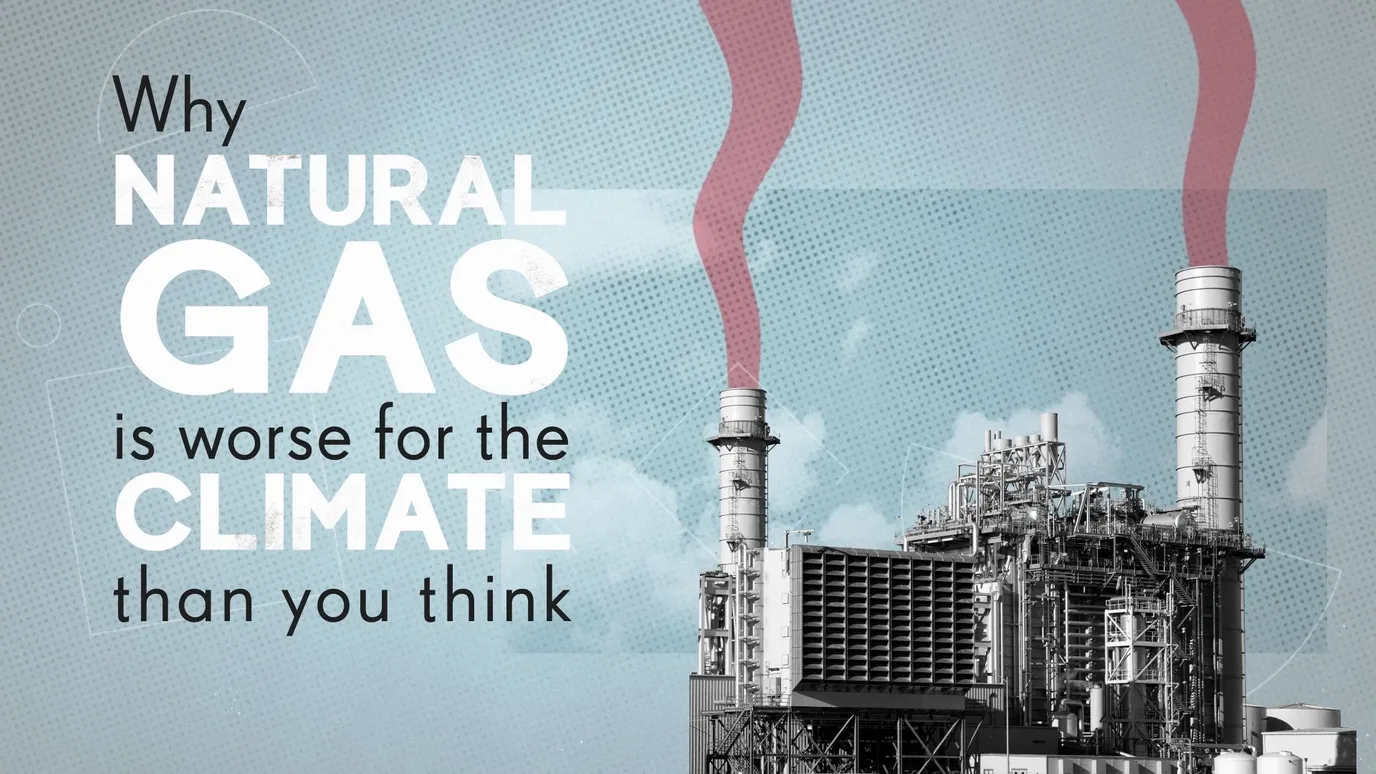
While carbon monoxide is the main health concern when discussing gas appliance issues, a natural gas leak itself (the stuff that smells like rotten eggs) has other dangers too, even if it's not directly making you sick from a whiff:
1. Explosion Risk: This is the big, dramatic one. If enough natural gas builds up in an enclosed space and finds an ignition source (a light switch, a static spark, a pilot light), you've got a recipe for a very bad day. This is why if you smell a strong gas odor, the first thing to do is get out!
2. Oxygen Displacement: In extremely rare cases, a very large leak in a very small, unventilated space could potentially displace enough oxygen to make breathing difficult. But honestly, the explosion risk is usually the more immediate and pressing danger here.
So, What's a Savvy Homeowner to Do?
Don't panic! Being aware is half the battle. Here are your friendly neighborhood tips for staying safe and cozy:
1. Trust Your Nose: If you smell gas, don't ignore it! Open windows and doors, get everyone (and pets!) outside, and then immediately call your gas company or emergency services from a safe distance. Don't use light switches or anything that could create a spark.
2. Get a CO Detector (or three!): This is your invisible bully bouncer! Install carbon monoxide detectors on every level of your home, especially near sleeping areas. Treat them like smoke detectors – they're lifesavers. They're not expensive, and they give you peace of mind that's worth its weight in gold.
3. Keep Appliances Happy: Make sure your gas appliances (furnace, water heater, stove, dryer) are installed correctly and maintained regularly by a qualified professional. Give them a little TLC, and they'll return the favor by running safely and efficiently. Look for clean, blue flames on your stove burners – a yellow or orange flame can be a sign of incomplete combustion and potential CO production.
4. Vent Smart: Ensure all vents and flues for gas appliances are clear and unobstructed. A blocked chimney or vent pipe is like stuffing a pillow over your mouth – bad news for releasing exhaust gases.
So, while a quick whiff of natural gas (the mercaptan!) isn't likely to send you straight to the doctor, it's your early warning system for bigger issues. The true troublemaker is often carbon monoxide, born from faulty appliances. Stay alert, install those CO detectors, and keep your home's gas-powered helpers well-maintained. That way, you can enjoy all the warmth and convenience of natural gas without a single worry! Stay safe out there!