
Can National Grid Turn Off Electricity In Winter
Okay, so picture this: it's the dead of winter. Snow's piling up, the wind's howling like a grumpy wolf, and all you want to do is curl up with a blanket and binge-watch your favorite show. But then... poof... the lights go out. Yikes! Could National Grid, or any other power company, actually turn off your electricity in the winter? Let's dive into this chilly question.
First off, the thought of intentionally cutting power in winter sounds pretty awful, right? It's not exactly a recipe for cozy. But to really understand if it's a possibility, we need to talk about something called "grid stability." Think of the power grid like a giant, intricate highway system for electricity. Power plants are the on-ramps, your house is an exit, and National Grid (or your local equivalent) is the traffic controller making sure everything flows smoothly.
But what happens when there's a traffic jam? A sudden surge in demand – like everyone turning on their heaters at the same time on a frigid day – can overload the system. If too much electricity is being pulled from the grid, it can become unstable, potentially leading to a massive blackout affecting a huge area. We’re talking days without power! Imagine trying to charge your phone, cook food, or even just stay warm. No fun, right?
Must Read
So, rolling blackouts... what's the deal?
That's where the possibility of "rolling blackouts" (also known as controlled outages or load shedding) comes in. Instead of a massive, uncontrolled blackout, the utility company might intentionally shut off power to smaller areas for a short period of time – maybe an hour or two – to reduce the overall load on the grid. Think of it like letting air out of a tire to prevent it from exploding. It's not ideal, but it's a lot better than the tire completely blowing out!
Are rolling blackouts common? Thankfully, no! They’re usually a last resort. Utilities invest heavily in infrastructure and forecasting to anticipate demand and prevent these kinds of situations. They try everything else first.
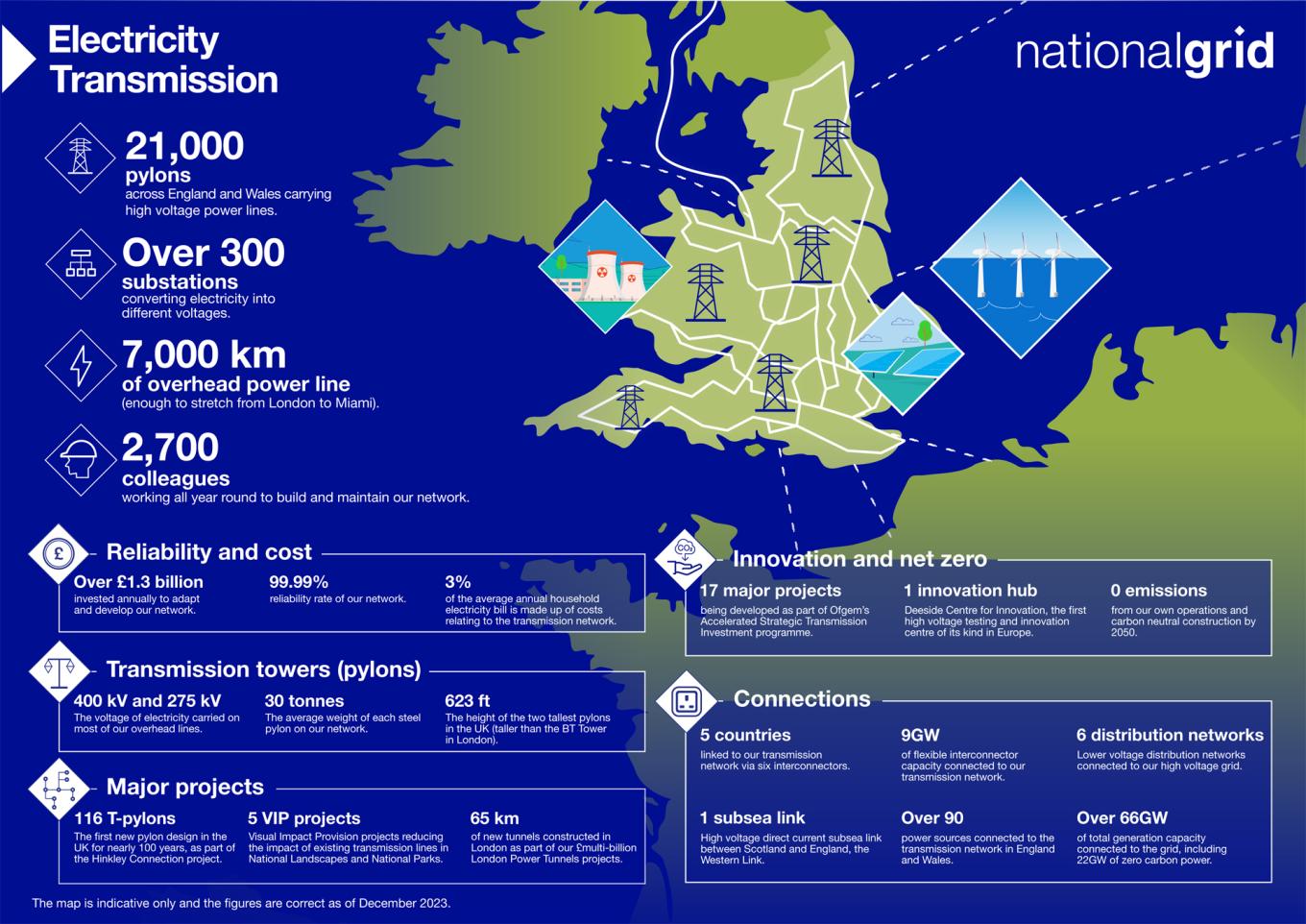
They might, for example, fire up extra power plants, import electricity from neighboring regions, or even ask businesses to reduce their energy consumption. It's like asking your neighbors to turn down their Christmas lights so you can run your air conditioner without blowing a fuse.
Here's the important part: the decision to implement rolling blackouts is usually made after considering the potential consequences of not doing so. A widespread blackout can have a devastating impact on everything from hospitals and emergency services to transportation and communications. No one wants that!
Why is it so cool (or, well, not cool, but interesting)?
Understanding the complexities of the power grid is fascinating! It's a massive, interconnected system that requires constant monitoring and management. The fact that we can even deliver electricity to millions of homes and businesses on demand is pretty mind-blowing, don't you think?
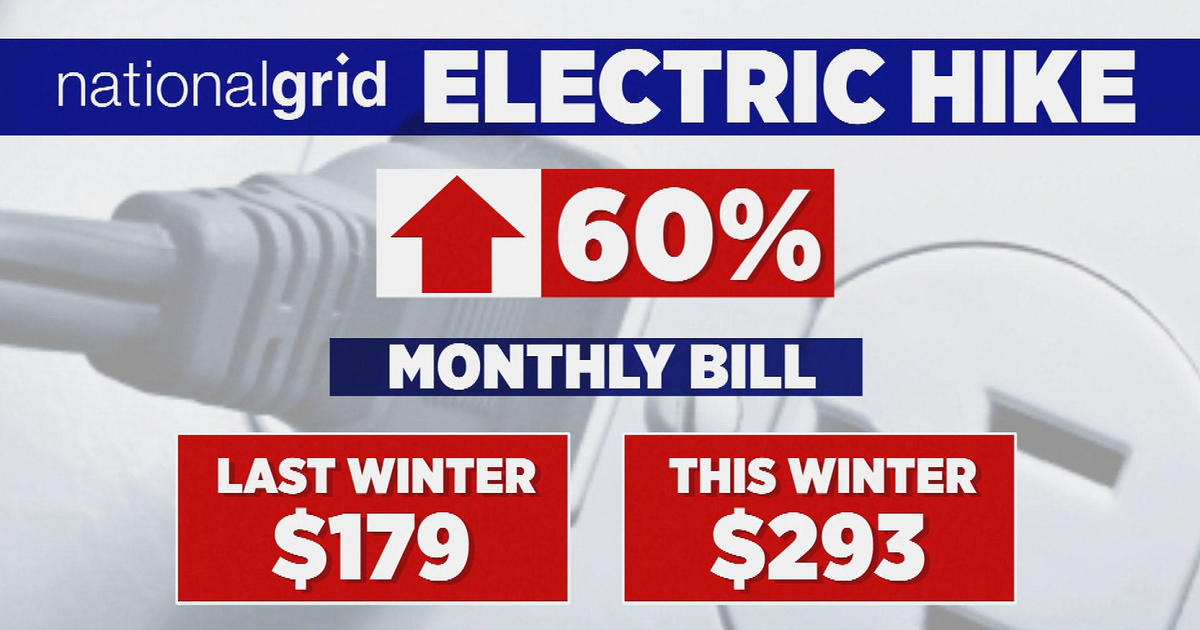
Think of it like a giant, invisible orchestra. The power plants are the instruments, the grid is the sheet music, and National Grid is the conductor, making sure everything plays in harmony. When demand spikes, it's like the orchestra suddenly has to play twice as loud, twice as fast, without missing a beat. The conductor needs to make sure all the instruments can handle the increased intensity, or the whole performance falls apart.
Also, the idea of rolling blackouts highlights the importance of energy conservation. The less energy we use, especially during peak demand periods, the less strain we put on the grid and the lower the risk of outages. Simple things like turning off lights when you leave a room, using energy-efficient appliances, and adjusting your thermostat can make a real difference. It's like contributing to the orchestra by playing your instrument at a comfortable volume!
So, will they turn off my power this winter?
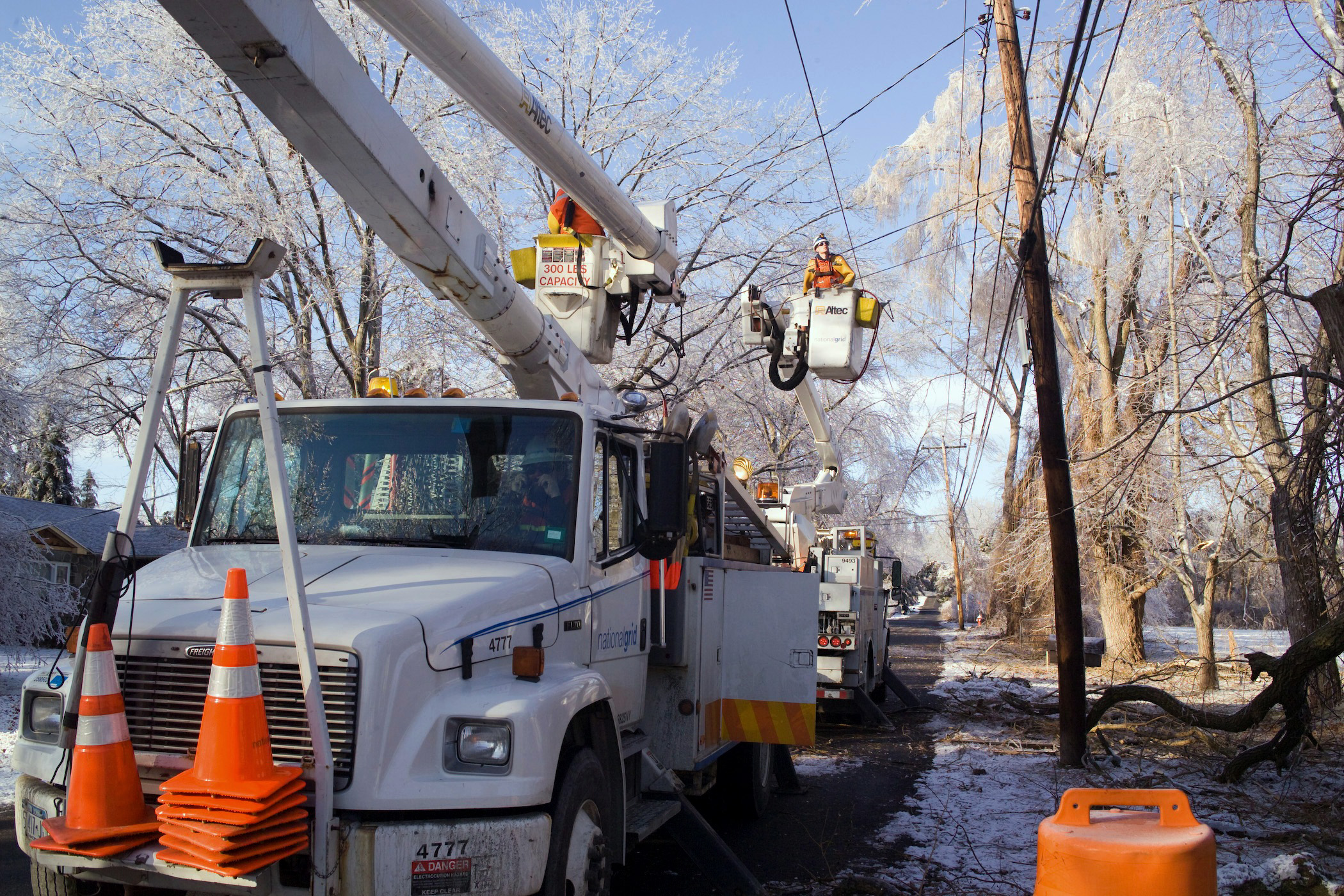
While it’s not impossible, it’s highly unlikely. Utility companies work incredibly hard to avoid rolling blackouts. They're constantly monitoring demand, upgrading infrastructure, and implementing strategies to ensure a reliable supply of electricity.
However, it's always a good idea to be prepared for anything. Keep a flashlight handy, have a backup plan for staying warm, and maybe even invest in a portable power bank for your phone. You know, just in case. Think of it as having a spare tire in your car – you hope you never need it, but it's good to have it just in case you get a flat!
Ultimately, the power grid is a remarkable feat of engineering, and the fact that we can even have this conversation is a testament to the dedication and expertise of the people who keep the lights on. So, next time you flip a switch, take a moment to appreciate the complex system that makes it all possible.
