
Can Metal Fume Fever Kill You
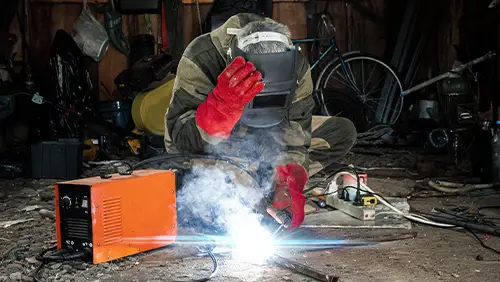
The Great Metal Mystery: Can Fume Fever Really Kill You?
Picture this: you're working on a cool project, sparks flying, creating something amazing with metal. Everything feels right in the world. Then, a few hours later, or maybe even the next day, things take a seriously weird turn.
Suddenly, you're shivering uncontrollably, feeling achy all over, and your head is pounding. You might even feel a bit nauseous, like you've got the worst flu bug imaginable. What in the world is going on?
Welcome to the curious case of Metal Fume Fever, a condition that sounds way more dramatic than it usually is. It's got a name that makes you think of dark factories and serious danger, but let's be honest, it's often more of a really bad, temporary party crasher.
Must Read
Many folks, especially those new to working with metals like welding or soldering, encounter this bizarre phenomenon. It's like your body decides to throw a surprise, unwelcome, and utterly unforgettable flu-like party, all because of some tiny invisible particles.
So, the big question looms: Can Metal Fume Fever kill you? Let's dive into this metallic mystery with a lighthearted spirit and uncover the truth.
A Not-So-Fun Flu Without the Flu
Imagine waking up feeling like you wrestled a bear, lost, then tried to sing karaoke all night. Your muscles ache, your head throbs, and you just want to curl up and disappear. Sound familiar?
That's often the experience of someone grappling with Metal Fume Fever. It’s often described as the "welder's flu" or "zinc chills." It mimics many of the symptoms of a common cold or influenza, but there's a key difference.
You won't catch it from someone coughing on the bus, and it's not caused by a virus. Instead, it's a temporary reaction to inhaling certain microscopic metal oxides. Think of it as your body having a very specific, very dramatic, but usually short-lived allergic reaction.
The symptoms can include fever, chills, fatigue, muscle aches, joint pain, headache, and sometimes even a metallic taste in your mouth. You might feel totally rundown, completely drained of energy.
One moment you're fine, the next you're shivering so much you could power a small village. It's a quick onset and an equally quick resolution, which is part of its surprising nature.
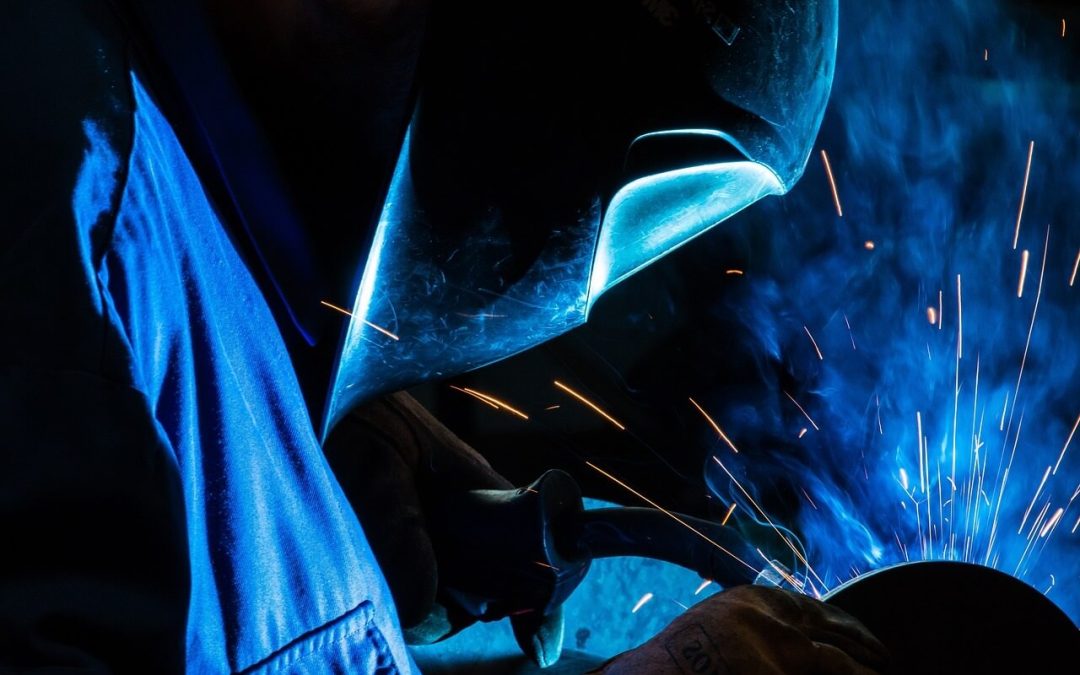
The good news? Unlike a proper flu, this peculiar fever usually packs its bags and leaves within 24 to 48 hours. Most people feel completely back to normal after a good night's rest, perhaps a little wiser.
It's your body's way of saying, "Hey! I really didn't appreciate that dose of metal vapor, thanks!" A very clear, if uncomfortable, message.
The Big Question: Is it a Killer?
Now, for the million-dollar question: can Metal Fume Fever kill you? And here's the reassuring answer: in almost all typical cases, no, it won't. Phew!
It's generally considered a benign, self-limiting condition. This means it runs its course and resolves on its own without causing permanent damage or being fatal. Think of it as a really harsh warning sign, not a death knell.
In extremely rare circumstances, usually involving massive, prolonged exposure to incredibly high concentrations of fumes in poorly ventilated spaces, or in individuals with pre-existing severe respiratory conditions, there could be more serious complications. But these are truly exceptional cases, not the norm.
For the vast majority of people who experience Metal Fume Fever, it's more of an intense, unforgettable inconvenience. It's a day or two of feeling absolutely terrible, followed by a complete rebound.
So, while it feels awful, like your body is staging a full-on rebellion, it's usually just a temporary protest. It's not a life-threatening situation for most healthy individuals.
This is where the "surprising" aspect comes in. Something that sounds so serious and feels so bad turns out to be mostly just a temporary, albeit very unpleasant, experience.

The Usual Suspects: What Causes This Quirky Illness?
So, if it's not a virus, what's behind this mysterious malady? The primary culprits are the fumes produced when heating certain metals, especially during processes like welding, brazing, or even soldering.
The biggest offender is often zinc. When metals containing zinc are heated to high temperatures, zinc oxide fumes are released. Inhaling these tiny particles is what kicks off the body's dramatic response.
Metals like brass (an alloy of copper and zinc) and sometimes even copper itself can also contribute to Metal Fume Fever. It’s all about those tiny, invisible metal particles getting into your lungs.
Imagine these microscopic metal particles as uninvited guests crashing your lung party. Your body, being the amazing defense system it is, responds by trying to flush them out, leading to all those flu-like symptoms.
It's not just welding. Other activities like galvanizing, casting, or even cutting certain metals with a torch can generate these fumes. Anytime metal gets super hot, there's a potential for fume generation.
The surprising part? It doesn't take much exposure for some people to react. A single session of welding galvanized steel without proper ventilation can be enough to trigger the symptoms.
It's a reminder that even the smallest, unseen elements in our environment can have a big, albeit temporary, impact on our well-being. Mother Nature has a strange sense of humor sometimes.

Prevention: Your Superpower Against the "Welder's Flu"
Since we know it's almost never fatal, the heartwarming part of this story is how incredibly easy it is to prevent Metal Fume Fever. It's all about being smart and using your common sense superpowers!
The number one rule? Ventilation, ventilation, ventilation! Seriously, it's like opening a window when you've burnt the toast. Get that fresh air moving. Working outdoors is often the best solution.
If you're working indoors, ensure you have excellent local exhaust ventilation. Think powerful fans and fume extractors that pull those metallic mischief-makers away from your breathing zone before they can cause trouble.
Next up is your personal knight in shining armor: Personal Protective Equipment (PPE). This means wearing a good quality respirator or a welding helmet with a built-in air-purifying system. Don't skimp on this!
Your lungs are amazing, but they weren't designed to filter metal dust. A proper respirator acts like a bouncer, keeping those unwanted metallic particles out of your personal airspace.
It might feel a bit cumbersome at first, but trust us, a little face gear is a small price to pay for avoiding a day or two of feeling utterly miserable. Your future self will thank you profusely.
Another smart move is to know what you're working on. Identify the metals. Is it galvanized steel? Brass? Knowledge is power, and knowing the material helps you assess the risk and take appropriate precautions.
Remember, prevention isn't just about avoiding a nasty headache; it's about respecting your body and ensuring you can continue doing the amazing work you love, safely and comfortably, for years to come.

Think of it as giving your lungs a mini-vacation every time you wear your mask and turn on the fan. They deserve a break from filtering tiny metal ghosts.
So, while the idea of a "metal fume fever" sounds a bit like something from a sci-fi movie, the reality is far less dramatic and entirely manageable with simple, effective precautions.
It's a story of learning, adapting, and embracing modern safety practices. Our grandpappy welders often just "toughed it out," but today, we know better. We work smarter, not just harder.
It’s about understanding the quirks of chemistry and physics, and then using that knowledge to protect ourselves and our colleagues. It’s a win-win for everyone involved in metalwork.
So, the next time you hear someone mention Metal Fume Fever, you can confidently share that it's a peculiar, temporary discomfort, not a life-threatening monster, especially when you play by the rules of safety.
It's a testament to how far industrial safety has come, transforming what was once a common ailment into a rare and easily avoidable annoyance. Knowledge truly is power, and comfort, in this case.
Keep those sparks flying, keep those creations coming, but most importantly, keep those lungs happy and healthy. Your amazing craftsmanship deserves a clean bill of health.
Happy welding, happy brazing, and most importantly, happy breathing!