Can Incandescent Light Bulbs Be Replaced With Led

Let's face it, there's something undeniably cozy about the warm glow of a light bulb. Maybe it's the nostalgic feeling of a dimly lit room while reading a book, or the comforting ambiance it creates during a relaxing evening. For generations, the incandescent light bulb has been a reliable source of illumination, shaping our homes and our experiences. But times are changing, and the question on everyone's mind is: can we really say goodbye to the incandescent and embrace the future with LED lighting?
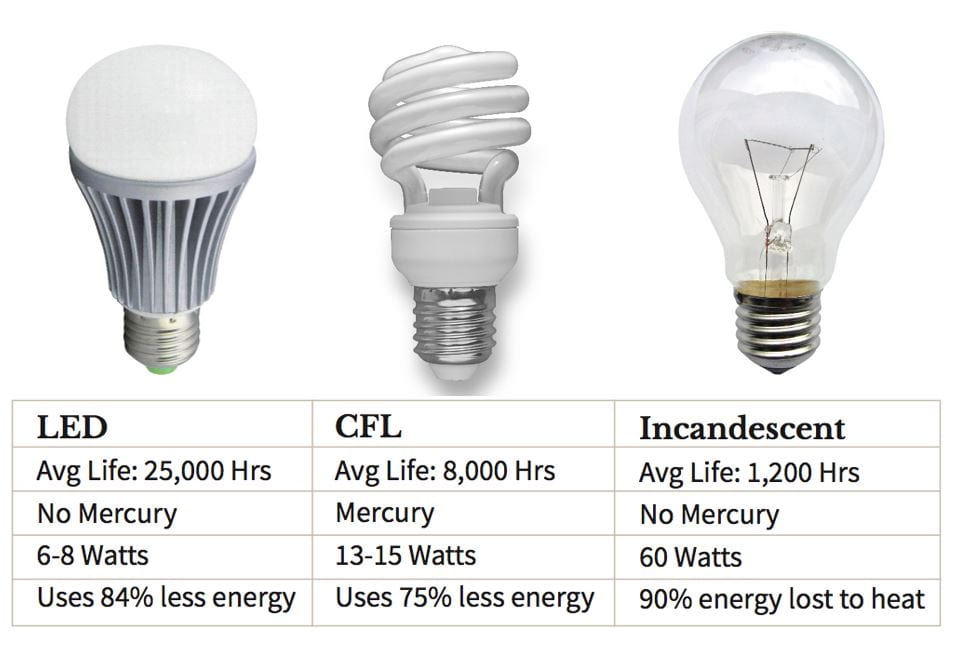
The simple answer? Absolutely! And frankly, we probably should. LED, or Light Emitting Diode, technology has come a long way, offering a slew of benefits over its traditional counterpart. The biggest advantage is undoubtedly energy efficiency. LEDs use significantly less electricity to produce the same amount of light. This translates to lower energy bills and a smaller carbon footprint. Think about it: you could potentially save hundreds of dollars over the lifespan of a single bulb!
Beyond cost savings, LEDs also boast a remarkably longer lifespan. Incandescent bulbs are notorious for burning out quickly, requiring frequent replacements. LEDs, on the other hand, can last for tens of thousands of hours. Imagine the convenience of not having to constantly climb ladders to change hard-to-reach bulbs. This makes them perfect for use in recessed lighting, chandeliers, and other fixtures where bulb replacement is a hassle.
Must Read
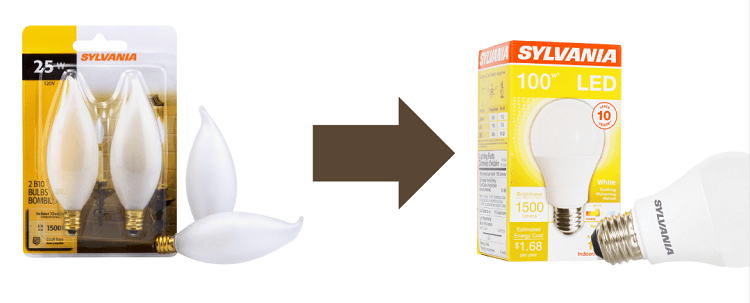
You'll find LEDs in just about every application you can think of: from the headlights of your car and the screens of your devices to the streetlights illuminating your neighborhood and the decorative lights strung across your patio. They're incredibly versatile, available in a wide range of colors, brightness levels (measured in lumens, not watts!), and color temperatures (measured in Kelvins). This allows you to create the perfect lighting ambiance for any room or occasion.

So, how can you make the switch to LEDs more effectively? Here are a few practical tips:
- Understand Lumens and Kelvins: Don't just look at the wattage of the bulb. Lumens indicate brightness, and Kelvins indicate color temperature. For a warm, cozy feel, choose bulbs with a lower Kelvin rating (2700-3000K). For brighter, more energizing light, opt for higher Kelvins (4000K+).
- Check for Dimmability: Not all LEDs are created equal. If you plan on using them with a dimmer switch, make sure they are specifically labeled as dimmable. Using non-dimmable LEDs with a dimmer can cause flickering or premature failure.
- Consider the CRI: The Color Rendering Index (CRI) measures how accurately a light source renders colors. For areas where accurate color representation is important (like your kitchen or bathroom), choose bulbs with a higher CRI (80 or above).
- Don't be Afraid to Experiment: Try different types of LED bulbs in different rooms to see what works best for you. You might be surprised at the difference it makes! Experimenting with smart bulbs adds another layer of control, allowing you to adjust brightness and color temperature from your smartphone.
In conclusion, replacing incandescent light bulbs with LEDs is a smart and sustainable choice. By embracing this technology, you can save money, reduce your environmental impact, and enjoy a more versatile and customizable lighting experience. So, take the plunge and brighten your future with LEDs!