
Can I Use A Phone Charger To Charge My Laptop
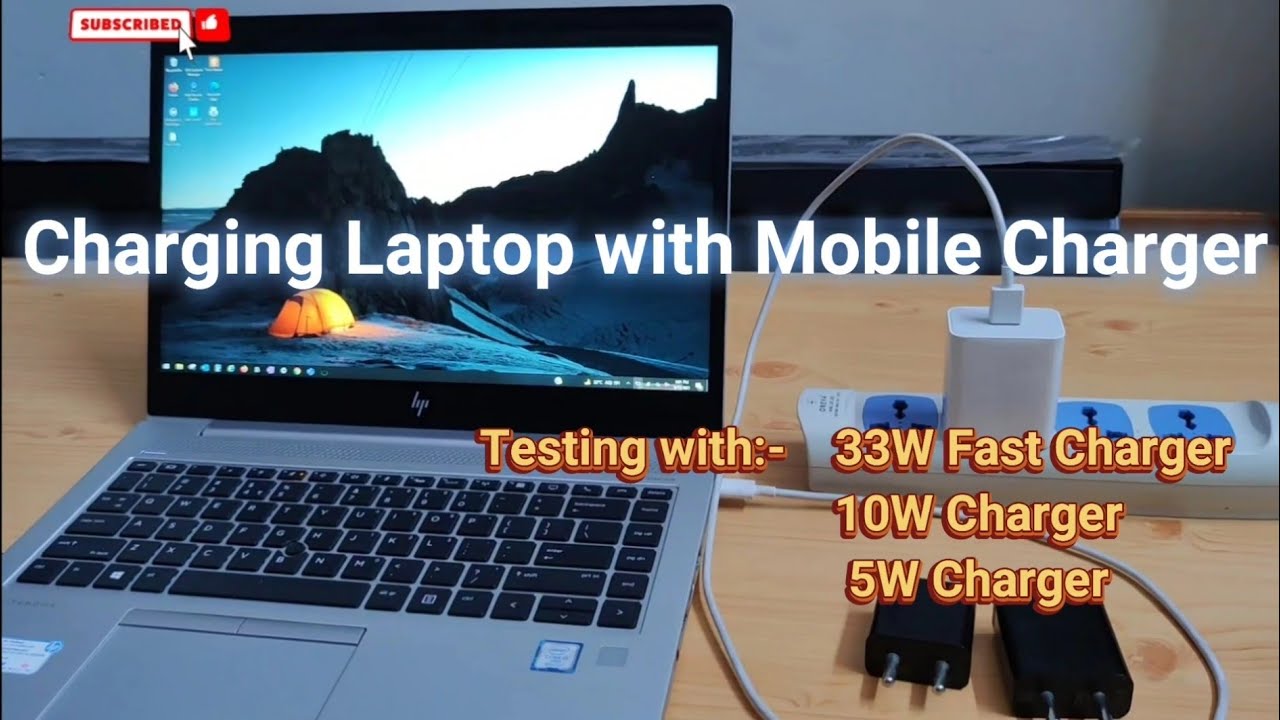
So, you're staring down the barrel of a dead laptop battery, and all you've got is your phone charger. We've all been there. The frantic rummage through drawers, the silent prayer to the tech gods... But can you actually use that tiny rectangular brick to revive your beloved laptop? The short answer is: it depends. Let's unpack this, shall we?
The Voltage Vanguard: Understanding Power Delivery
Think of voltage like water pressure. Your devices need a specific amount to function properly. A phone charger typically delivers a lower voltage (around 5V) compared to a laptop charger (often 12V, 15V, or even 20V). Trying to force a lower voltage into a device designed for higher voltage is like trying to fill a swimming pool with a garden hose – it's going to take a very long time, if it works at all.
Think of it like this: You wouldn’t try to power a stadium's floodlights with a keychain flashlight, right?
Must Read
Here’s the golden rule: Check the voltage and amperage (the current, or the "flow rate" of electricity) on both your phone charger and your laptop. These are usually printed on the charger itself. If the phone charger's voltage is significantly lower than what your laptop needs, steer clear. You might not damage the laptop, but it definitely won't charge, and in some (rare) cases, it could even cause issues.
USB-C to the Rescue? Power Delivery (PD) is Your Friend
Ah, USB-C. The great unifier of the tech world (almost). Many modern laptops and phones utilize USB-C ports, and some support Power Delivery (PD). PD is a protocol that allows devices to negotiate the optimal voltage and current for charging. This means a single USB-C PD charger could potentially power everything from your phone to your laptop, to your wireless earbuds.

However, not all USB-C ports are created equal. Just because your laptop has a USB-C port doesn't automatically mean it supports PD charging. Check your laptop's specifications or the documentation to be sure. If it does support PD, then you might be in luck. A high-powered USB-C PD charger (45W or higher) designed for laptops could charge your laptop, albeit perhaps slower than your original charger.
Pro Tip: If you're traveling a lot, investing in a universal USB-C PD charger is a game-changer. It's like the Swiss Army knife of charging solutions.

The Danger Zone: Why It's Not Always a Good Idea
Even if your phone charger technically works with your laptop (e.g., a slow trickle charge via USB-C PD), it's not always the best idea. Continually using a charger that's underpowered can put unnecessary stress on your laptop's battery and charging circuitry. Think of it as running a marathon on an empty stomach – you might finish, but you're not doing your body any favors.
Also, using an incompatible charger could, in very rare instances, damage your laptop. It's unlikely, but it's always better to err on the side of caution. When in doubt, don't.
Alternative Solutions: Because Desperate Times Call for Clever Measures
So, your laptop's flat, and your phone charger isn't cutting it. What now?
- Borrow a charger: Ask a friend, colleague, or even a friendly stranger in a coffee shop. Most people are happy to lend a hand (or a charger).
- Head to an electronics store: Many stores carry universal laptop chargers that can adapt to different voltage requirements.
- Use a power bank: A high-capacity power bank with USB-C PD support can be a lifesaver, especially when you're on the go. Think of it as your portable wall outlet.
The Takeaway: A Little Planning Goes a Long Way
While it might be possible to charge your laptop with a phone charger in some situations, it's generally not recommended as a long-term solution. Understanding the voltage and amperage requirements of your devices, and investing in a good quality universal charger or power bank, can save you a lot of frustration (and potential damage) down the line. Think of it as preventative maintenance for your digital life. A little bit of foresight can keep you powered up and ready to tackle whatever the day throws your way.
In our constantly connected world, staying charged is essential. And knowing the ins and outs of power delivery can make all the difference between a productive day and a digital dead zone.
