
Can I Put Hot Meat In The Fridge

Picture this: You've just pulled off a culinary triumph. Maybe it's a sizzling steak, a hearty pot roast, or a mountain of spaghetti and meatballs that would make Nonna proud. Dinner was a smash hit, and now you're faced with the glorious remains – leftovers! But there's a little voice in the back of your head, perhaps echoing your grandma's wisdom, or maybe just a general kitchen anxiety: "Can I actually put this hot, steaming deliciousness straight into the fridge?"
It's a question that’s sparked countless debates at family dinners and probably sent a few frantic Google searches into the ether. And guess what? We're here to clear the air, bust some myths, and make sure your future leftover adventures are both safe and supremely satisfying.
The Great Fridge Debate: A Blast from the Past?
For decades, the standard advice was a firm, "No way, José! Don't put hot food in the fridge!" The reasons? Well, they were often a bit vague. Some thought it would "break" the fridge. Others worried it would make all the other food spoil. And while these concerns had a kernel of truth way back when, things have changed quite a bit in the world of refrigeration.
Must Read
Our grandmas weren't wrong, exactly. Older fridges were less efficient. A big pot of steaming hot chili could indeed make the fridge work extra hard, warm up other items, and potentially create condensation issues. But today's fridges? They're like little cooling superheroes, much more equipped for the challenge.
So, What’s the Real Deal? The Danger Zone Demystified
Here’s the big secret, the real reason we care about cooling down food: it's all about avoiding the "danger zone." No, it's not a Kenny Loggins song (though that would be a fun theme tune for your kitchen). The danger zone is a specific temperature range – between 40°F and 140°F (4°C and 60°C) – where bacteria absolutely love to party. They multiply at an alarming rate, turning your perfectly good food into something that could make you wish you'd just ordered pizza.

Imagine a bustling nightclub for microscopic organisms. When your food is hot, it’s like the club is closed for business. When it's cold, they're all snuggled up and dormant, like tiny, sleepy bears. But in that danger zone? It’s prime time! Think of it as a full-on rave where bacteria are reproducing faster than rabbits on a caffeine high. And we want to get our food out of that rave as quickly as possible.
The golden rule? Get your cooked food cooled down to 40°F (4°C) or below within two hours. This is your mission, should you choose to accept it!
Chilling Out: Pro Tips for Super-Fast Cooling
Alright, so we know we need to cool it down, but how do we do it without waiting until the cows come home (and your food has entered the bacterial danger zone)? Here are a few easy, no-fuss tricks:

1. Divide and Conquer: Think small portions! Instead of one giant pot of stew, spread it out into several smaller, shallow containers. More surface area means faster cooling. It’s like trying to cool a swimming pool versus a kiddie pool – one is definitely quicker!
2. Shallow is the Hero: Opt for wide, shallow containers over deep, tall ones. A deep container acts like an insulator, trapping heat in the middle. A shallow one allows heat to escape from more surfaces, letting your food chill out much faster.
3. The Ice Bath MVP: This is a pro move that anyone can master. Place your pot or container of hot food into a larger bowl filled with ice and a little cold water. Stir the food occasionally, and watch it cool down in a flash. It’s like giving your leftovers a refreshing cold plunge after a long, hot day.
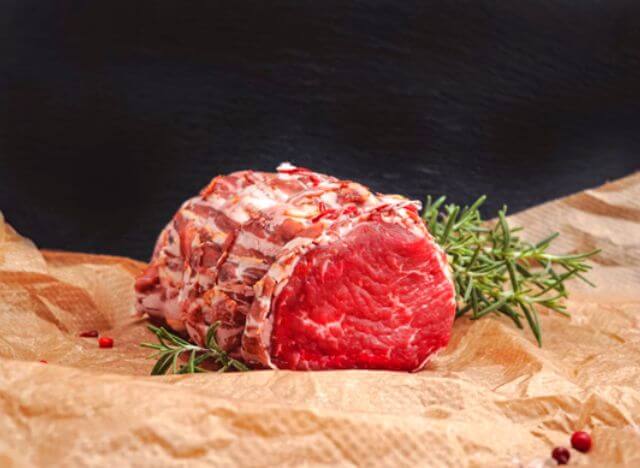
4. Don't Lid It Up Immediately: Once you put it in the fridge, leave the lid slightly ajar for a bit. This allows any residual heat and steam to escape, rather than getting trapped and creating condensation that could actually encourage bacterial growth (and make your fridge work harder). Once it’s cool, then seal it up tight.
5. Give It Some Space: Don’t cram your fridge full of hot containers right next to each other. Allow some airflow around them. Your fridge needs to breathe to do its job effectively.
Why Should You Care? Because Leftovers are Life!
Beyond avoiding a nasty bout of food poisoning (which is, admittedly, a pretty compelling reason), properly chilling your food means you get to enjoy those delicious leftovers safely. Imagine craving that perfect slice of lasagna the next day, only to remember you left it on the counter for too long. The horror!
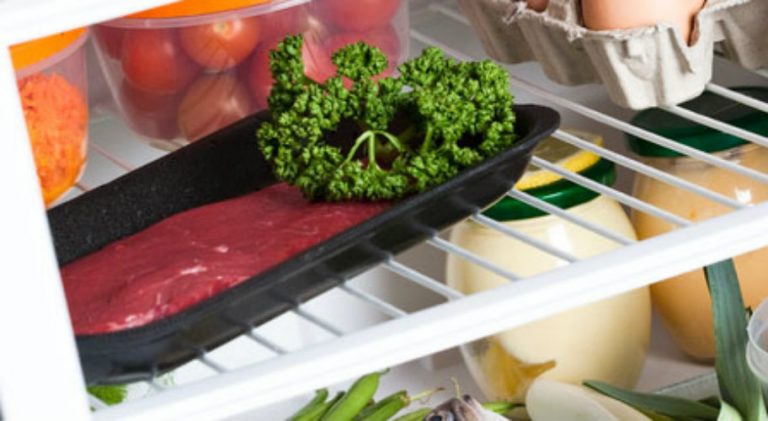
By taking a few extra minutes to cool your food properly, you're not just protecting your tummy; you're also preserving the flavor and quality of your culinary creations. It's an act of love for your future self and your taste buds.
Your Modern Fridge Can Handle It
So, about that old fear of "ruining the fridge"? Modern refrigerators are designed to handle fluctuations in temperature. While a massive vat of boiling liquid might make it work a little harder for a short time, it's not going to cause a meltdown. The benefits of rapidly cooling your food to prevent bacterial growth far outweigh any minimal strain on your appliance.
So, go forth and cook with confidence! Enjoy your meals, savor your leftovers, and remember that a little bit of smart cooling goes a long way in keeping your food safe and scrumptious. Happy chilling!