Can I Charge A Jump Starter With A Battery Charger
Let's face it, there's a certain feeling of empowerment that comes from knowing you can bring a dead car battery back to life. It's like having a superpower, a get-out-of-jail-free card for automotive emergencies. Whether you're a seasoned mechanic or just a regular driver, jump starters are incredibly useful gadgets that can save the day (and a hefty towing bill!). But what happens when your jump starter needs a little jump of its own? Can you use a regular battery charger to top it up? The short answer is: maybe. Let's dive into the details.
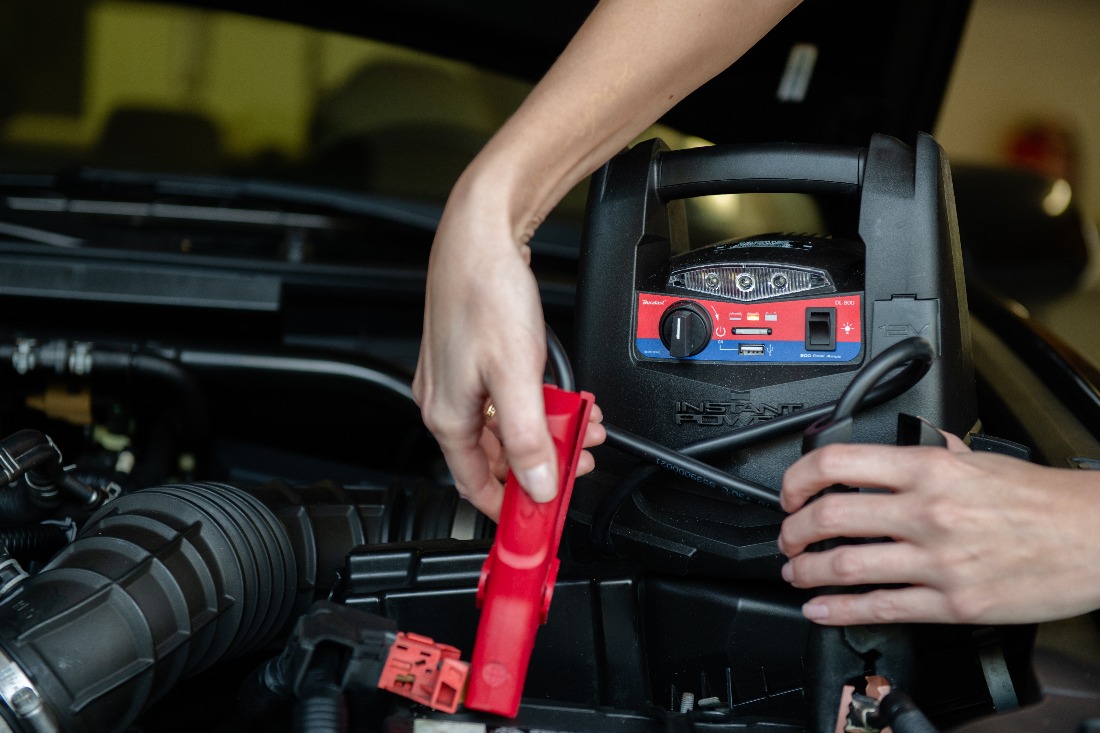
The beauty of a jump starter lies in its convenience and portability. They're small enough to keep in your trunk, and powerful enough to crank your engine when your battery decides to take an unscheduled vacation. Think of it: you're running late for a crucial meeting, or stranded in a deserted parking lot, and BAM! Your jump starter is there to save the day. They're used by everyone from soccer moms to construction workers, and can even come in handy for charging your phone or other USB devices during a power outage. They're a true multi-tool for the modern driver.
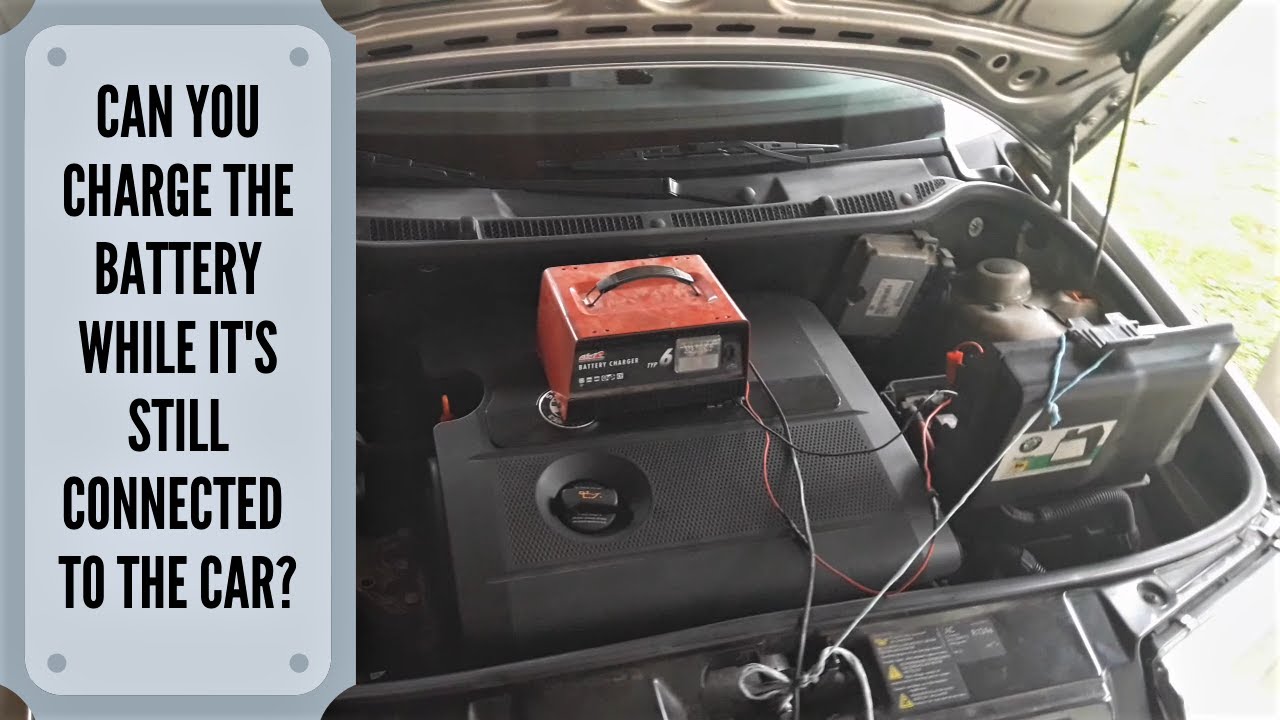
Now, the question at hand: charging. Most jump starters come with their own dedicated charger, usually a wall adapter similar to what you'd use for your phone. This is generally the safest and most recommended way to recharge your unit. However, sometimes life throws you a curveball. Maybe you lost the original charger, or perhaps you're in a situation where a wall outlet isn't accessible. That's where the battery charger question comes in.
Must Read
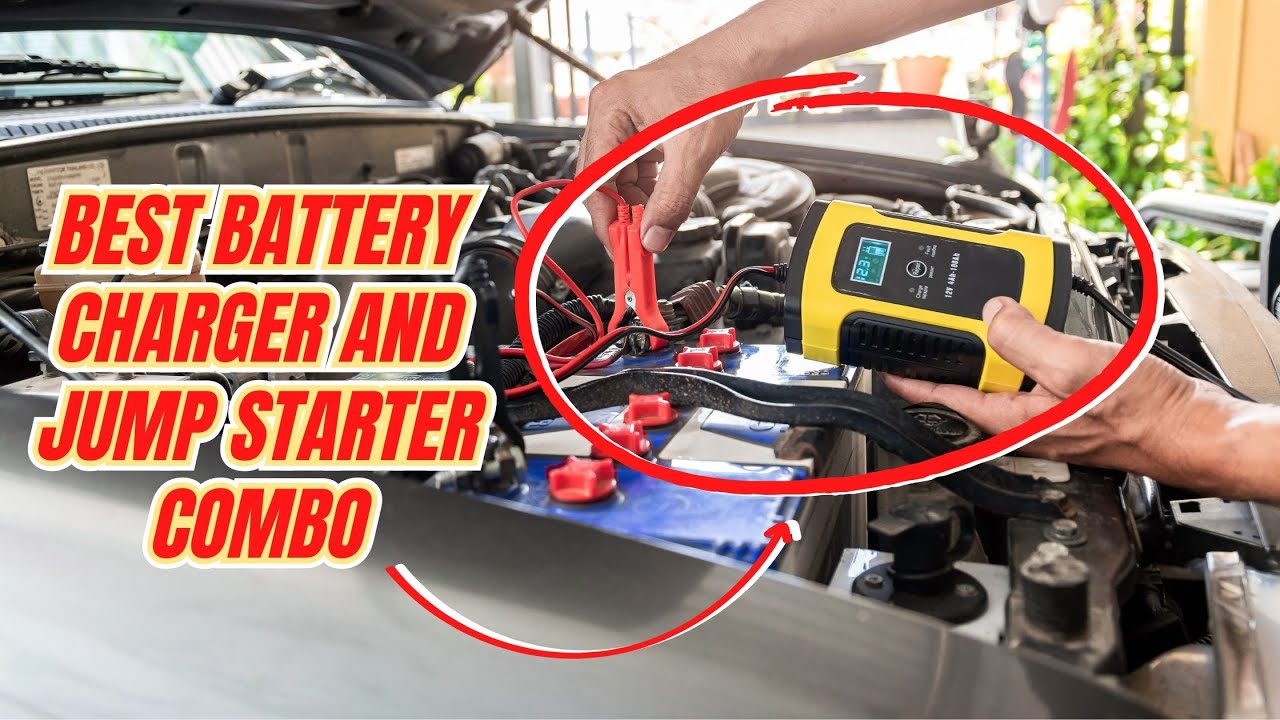
Using a standard battery charger can be done, but it requires caution and some understanding of your jump starter's specifications. First and foremost, check the voltage requirements of your jump starter. This information should be clearly labeled on the unit itself or in the owner's manual. Most jump starters use 12-volt batteries, but some may differ. Matching the voltage is absolutely crucial to avoid damaging the jump starter.
Next, pay attention to the amperage. A higher amperage charger will charge the jump starter faster, but it can also generate more heat and potentially damage the battery if overcharged. A lower amperage charger will take longer, but it's generally a safer option. It's best to start with a lower amperage setting and monitor the charging process closely. Avoid using the "boost" or "engine start" settings on your charger, as these are designed for car batteries, not the smaller batteries found in jump starters.

Here are some practical tips to ensure a safe and effective charging process:
- Read the manual! Seriously, it's the best source of information for your specific jump starter model.
- Disconnect the jump starter from any load. Make sure it's not trying to power anything else while charging.
- Monitor the temperature. If the jump starter gets excessively hot, disconnect the charger immediately.
- Don't overcharge. Once the jump starter is fully charged, disconnect the charger. Leaving it connected for extended periods can damage the battery.
- If in doubt, don't. If you're unsure about any aspect of the charging process, it's always best to err on the side of caution and stick with the original charger or seek professional advice.
In conclusion, while it's possible to charge a jump starter with a battery charger, it's not always the ideal solution. Using the original charger is always the safest bet. But with careful attention to voltage, amperage, and monitoring, you can safely use a standard battery charger in a pinch. Just remember, safety first! And happy jumping!