Can I 3d Print A 3d Printer
Okay, let's talk about something that sounds like it just popped out of a sci-fi movie or a particularly trippy philosophical debate: Can a 3D printer... print another 3D printer? It’s a bit of a mind-bender, right? Like a baker baking itself a new oven, or a robot assembling a new robot. It conjures up images of self-replicating machines, and honestly, that's part of why it's so incredibly cool.
So, let's cut to the chase: yes, mostly! You absolutely can use a 3D printer to create a significant portion of the parts needed for another 3D printer. It's not 100% magic, of course, but the core idea is very much a reality and has been for a while.
The "Chicken and Egg" of Manufacturing
Think about it: a 3D printer is essentially a collection of mechanical parts, motors, electronics, and a hot end. Many of those mechanical parts – the brackets, the mounts, the housings, the gears – are made of plastic. And guess what's fantastic at making plastic parts with intricate designs? Yep, a 3D printer! It's like a techy matryoshka doll, endlessly fascinating.
Must Read
The concept even has a fancy name in the world of 3D printing: RepRap. This stands for "Replicating Rapid Prototyper." The whole idea behind the RepRap project, which started way back in 2005, was to create a general-purpose, self-replicating manufacturing machine. Essentially, building a printer that could print its own parts, thereby making itself accessible and affordable to everyone. Pretty revolutionary for its time, and still profoundly impactful today!
What Parts Can You Print?
When you look at a typical desktop 3D printer, you'll see a lot of plastic components. These are often things like:
- Corner brackets that hold the frame together.
- Motor mounts for securing the stepper motors.
- Bearing holders and guides for the smooth rods.
- Extruder bodies (the part that pushes the plastic filament).
- Various cable clips, fan shrouds, and endstop holders.
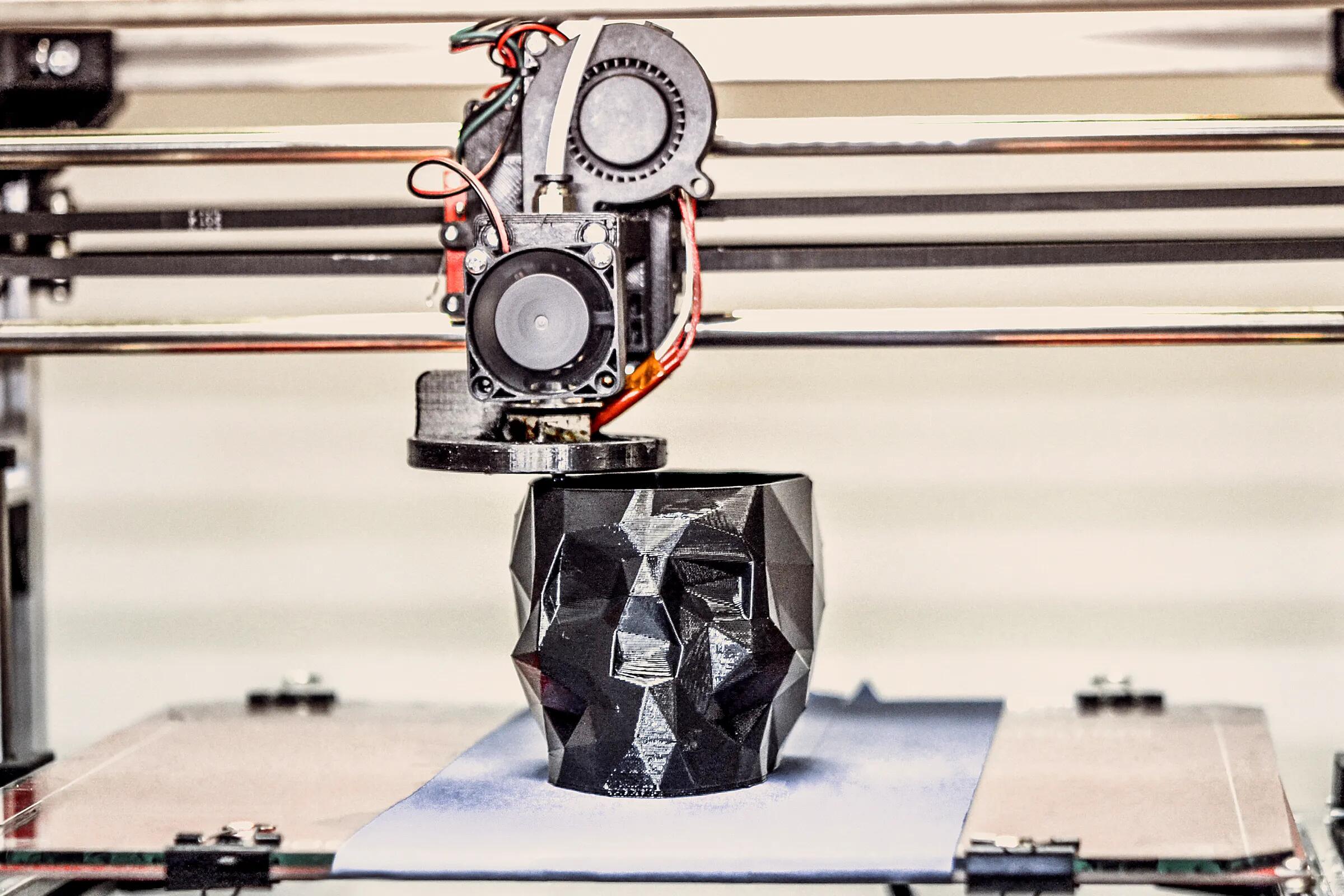
Imagine the satisfaction: your printer hums along, layer by layer, creating the very pieces that will form its future sibling. It's a tangible demonstration of technology empowering itself, which is just inherently cool.
Okay, But What Can't You Print?
Now, let's not get carried away with visions of infinite, pure self-replication just yet. There are definitely parts of a 3D printer that you can't print with another FDM (Fused Deposition Modeling) 3D printer. These typically include:
- The electronics: The circuit boards, microcontrollers, and wiring are still manufactured using traditional methods.
- The motors: Stepper motors, which precisely move the print head and build plate, contain copper windings, magnets, and precise metal components.
- The hot end: This is the part that melts the plastic. It's made of metal and often includes a heating element and a thermistor.
- Metal rods and screws: While you might print the brackets to hold them, the precision metal rods, lead screws, and threaded bolts are bought off-the-shelf.
- The build plate: Usually glass, flexible steel, or aluminum.
Why Does This Matter?
Beyond the sheer novelty, the ability for 3D printers to print their own parts is actually pretty profound.

Empowerment and Accessibility
It significantly lowers the barrier to entry for owning a 3D printer. If you have access to one printer, you can print parts for several more. This makes them cheaper to build and easier to repair. It fosters a culture of DIY and making, putting powerful manufacturing tools into the hands of more people. Got a broken plastic part on your printer? Just print a new one!
Learning and Innovation
Building a printer from printed parts is an incredible learning experience. You understand how each component fits together, how it functions, and how to troubleshoot. This knowledge then empowers you to modify, upgrade, and even design your own unique machines. It's a fantastic pathway into engineering and design.
The Future is Open Source
The RepRap movement, and the open-source ethos it embodies, ensures that the designs and knowledge are freely available to everyone. This accelerates innovation because designers aren't starting from scratch; they're building on the collective knowledge of a global community. It's like a digital recipe book for physical machines, constantly being improved by millions of chefs.
The Takeaway: It's a Beautiful Loop!
So, can you 3D print a 3D printer? Absolutely, in a wonderfully significant way! It's not about creating an exact, identical clone from thin air, but about leveraging the printer's own capabilities to produce most of its non-standard, plastic components. It's a beautiful, circular process that embodies the spirit of self-reliance, open-source collaboration, and the sheer magic of modern manufacturing.
It’s a powerful testament to how far this technology has come, and a tantalizing glimpse into a future where the tools of creation are themselves created with surprising ease. Pretty wild, right?