
Can Gas Leak If Furnace Is Off

Alright, gather 'round, folks! Pull up a metaphorical armchair, because we're about to dive into one of those household mysteries that makes you go, "Hmm, I never really thought about that before." Today's burning (pun intended, but hopefully not literally) question: can your furnace still spring a gas leak even if it's completely turned off?
You know the drill. It's summer, the sun's blazing, and your furnace is hibernating like a grizzly bear after a massive buffet. You've flipped the switch, maybe even given it a little pat on the side, a silent "See ya in autumn, old friend!" So, logically, you'd think, "Furnace off, no gas issues, right? It's like turning off the water to a leaky faucet. Problem solved!"
The Great Unplugging Myth (and why it's a bit gassy)
Well, buckle up, buttercup, because if you thought an unplugged furnace meant a gas-free zone, you're about to have your mind mildly blown. The answer, in a nutshell, is a resounding, slightly alarming, "YES, IT ABSOLUTELY CAN!"
Must Read
I know, I know. It sounds counterintuitive, like finding out your car can still get a flat tire even when it's parked in the garage. But hear me out, because this isn't some obscure, "one-in-a-million" scenario. It’s a very real possibility, and understanding why is key to keeping your home smelling like roses, not rotten eggs.
It's Not Just the Furnace; It's the Whole Gassy Gang!
Think of it this way: your furnace isn't just a solo act. It's part of a much larger, underground (and inside-the-walls) network. Imagine a giant gas main running down your street, like a superhighway for fuel. From that superhighway, smaller feeder roads (your gas lines) branch off to your house. And inside your house? More little side streets leading to all your gas-powered appliances.
Your furnace, even when it's off, is still connected to one of these side streets. There's a gas line running right up to it, often with a little shut-off valve right there at the furnace – think of it as a personal detour ramp. But that detour ramp is only for that specific appliance. The main flow of gas to your house, and to other appliances like your water heater, gas stove, or clothes dryer, is still very much on!

Where the Leaks Like to Lurk (the usual suspects)
So, if the furnace itself isn't actively burning gas, where could the sneaky stuff be escaping? Oh, let me count the ways!
Firstly, the gas line leading to the furnace. This pipe is a prime suspect. It could develop a leak due to corrosion, physical damage (maybe you bumped it with something heavy during a particularly ambitious DIY project?), or even just old age. Pipes aren't immortal, despite what they might tell you.
Secondly, the connections! Picture all those tiny joints, fittings, and connectors where one pipe meets another, or where the pipe meets the furnace itself. These are like the weakest links in a chain. A tiny crack, a loose fitting, a worn-out seal – any of these can be enough to let a little gas seep out, silently, insidiously.
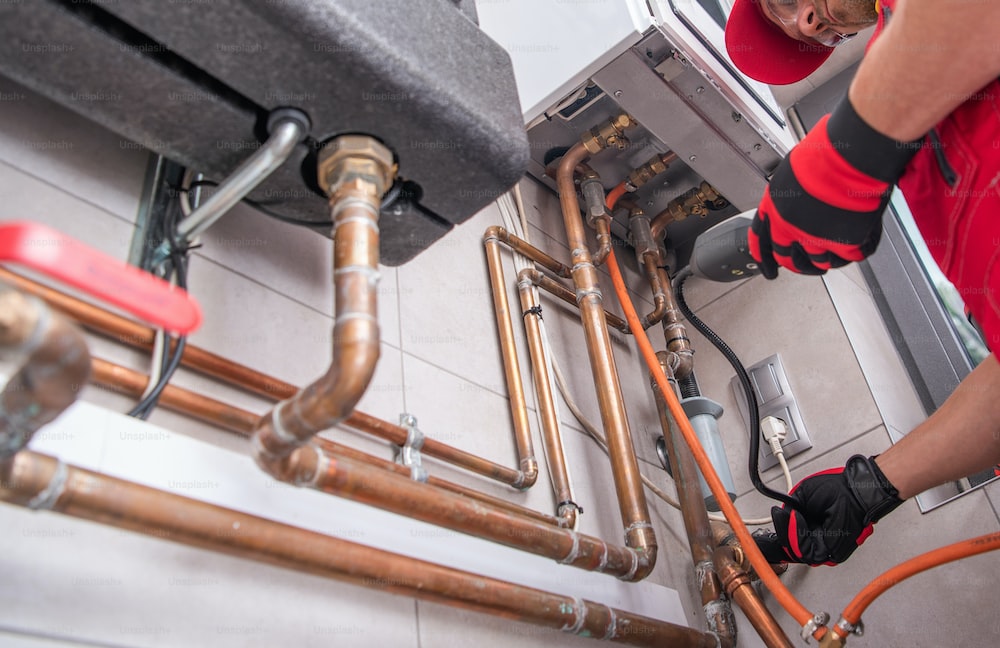
And here's a fun fact that might surprise you: the shut-off valve itself, the very thing designed to stop the flow, can sometimes be the culprit! Over time, these valves can degrade, especially if they're rarely used. A sticky valve or one with worn internal components can fail to create a perfect seal, letting gas bypass it entirely.
Signs You've Got a Gassy Ghost
Okay, so it can happen. But how do you know if it's happening to you? Your nose, my friend, is your first and best line of defense. Natural gas is odorless, which is pretty rude of it, frankly. So, gas companies add a chemical called mercaptan, which smells like rotten eggs or sulfur. It’s truly awful, but it's also a life-saver. If you smell that funky odor, don't ignore it! It's not your neighbor's questionable culinary experiment.
Other signs? You might hear a faint hissing sound near the furnace or gas line. It’s subtle, like a snake trying to whisper secrets to you. Or, if the leak is significant, you might experience physical symptoms: headaches, dizziness, nausea, fatigue, even flu-like symptoms. And in a darker twist, sometimes houseplants near a leak will start to wilt or die, because gas displaces oxygen. Your ficus might be trying to warn you!
"Houston, We Have a Problem!" (What to do)
If you suspect a gas leak, even if your furnace is off and you're pretty sure it's just the neighbor burning toast again, here's the drill. And this part is important, not funny:

1. Don't panic. Too much.
2. Get out of the house immediately! Grab pets and people, but leave everything else. Your phone, your keys, your half-eaten sandwich – none of it is worth risking.
3. Once you're safely outside and a good distance away, call your gas company or 911. Use a cell phone or a neighbor's phone. Do not call from inside your house.
4. Do NOT turn on or off any lights, appliances, or electrical switches. Even a tiny spark can ignite gas. No turning on the fan, no flipping the porch light, no checking your email on the desktop. Just... walk away.

5. Do NOT try to find the leak yourself or fix it. Leave it to the pros. They have fancy equipment (and possibly gas-sniffing bloodhounds, who knows?).
Prevention is Better than a Pungent Problem
So, what's the takeaway from our gassy discussion? First, never assume "off" means "no danger." Second, listen to your nose! Third, get those regular furnace check-ups. A technician isn't just checking your furnace; they're also looking at the gas lines, connections, and valves leading to it. They're your home's gas detectives, making sure everything is snug as a bug in a... well, a non-gassy rug.
And while we're on the subject of safety, make sure you have working carbon monoxide detectors. While natural gas and carbon monoxide are different beasts (one smells like rotten eggs, the other is truly odorless and deadly), having both types of detectors is like having an all-star safety team protecting your home.
So, next time you give your furnace that fond farewell for the summer, remember: even in its slumber, a tiny bit of vigilance goes a long, long way. Stay safe, stay smart, and may your home always smell of freshly baked cookies, not sulfur!