Can An Electrician Become An Electrical Engineer
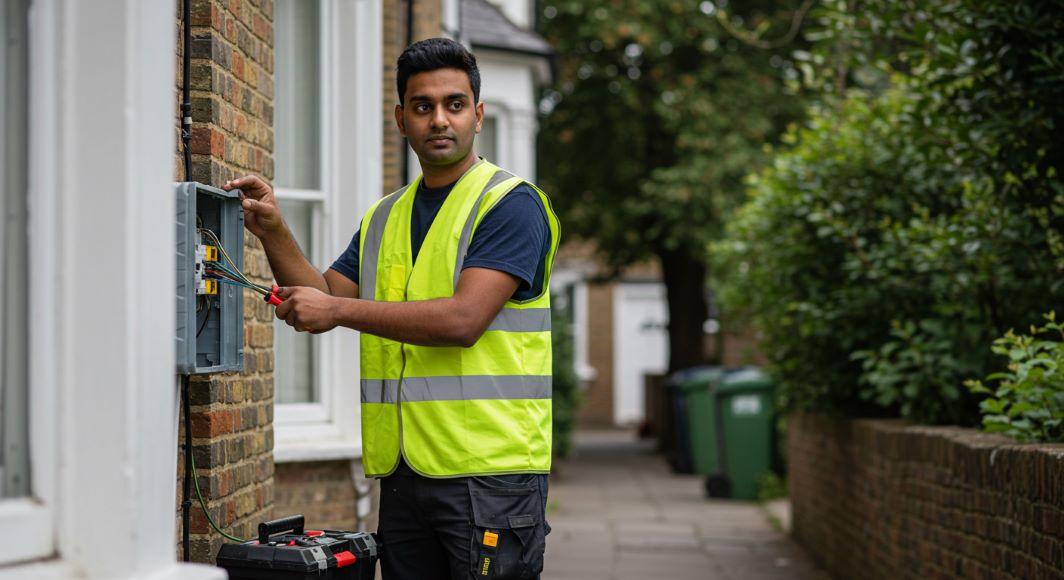
Okay, so picture this: my uncle, a legendary electrician, wiring up my entire basement. He's got this amazing intuitive knowledge, knows which wire goes where almost by instinct. He's muttering something about "amateurs designing these panels." And it got me thinking...could someone like him, all that practical know-how, make the leap to electrical engineering?
Spoiler alert: the answer isn't a simple "yes" or "no." It's more like a "yes, but with a whole lotta work" kind of situation. Think of it as climbing Mount Everest - totally doable, but you need the right gear, training, and a serious commitment. (And maybe a sherpa...or several.)
The Short Answer (For the Impatient Types)
Yep, an electrician can become an electrical engineer. But here's the kicker: it usually involves going back to school to get a bachelor's degree in electrical engineering (BSEE). There are no real shortcuts around this.
Must Read
I know, I know. "But I already know electricity!" you're probably yelling at your screen. And that's true! You've got a huge advantage. But... (there's always a "but," isn't there?) ... electrical engineering isn't just about knowing which wire goes where.
Experience vs. Education: The Great Debate
Let's be honest, hands-on experience is invaluable. Electricians have a level of practical understanding that many fresh-out-of-college engineers can only dream of. You've dealt with real-world problems, troubleshooting, and (probably) cursing at poorly designed systems.

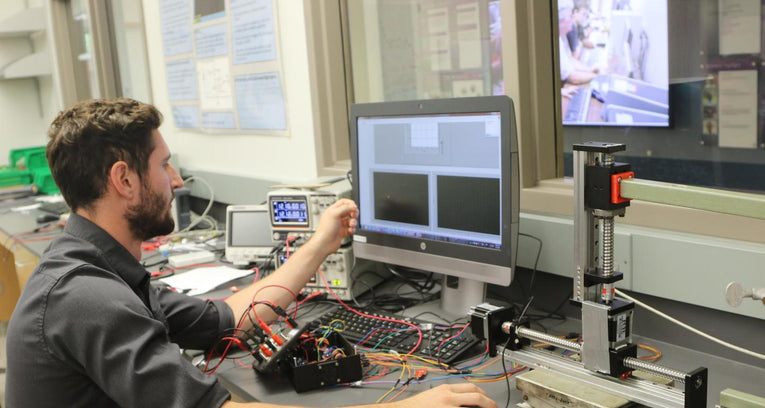
However, electrical engineering delves into the theoretical side of things: circuit design, power systems analysis, electromagnetics, signal processing... stuff that’s probably not part of your daily routine as an electrician. It involves a lot of math, physics, and complex problem-solving.
Think of it this way: you know how to fix a car engine because you’ve done it a million times. An engineer knows why the engine works the way it does, and can design a better one. (Okay, maybe a slightly better one. Car engines are complicated.)
The Good News: Your Experience Matters!
Don't despair! All that practical experience isn't going to waste. In fact, it can be a major asset when pursuing an engineering degree. You'll probably find certain concepts easier to grasp because you've seen them in action. And, frankly, your classmates will probably be coming to you for advice during lab sessions. (Prepare to be a guru.)

Plus, some universities might offer credits for prior learning or experience, shortening your study time. It's definitely worth investigating. (Do your homework, future engineer!)
The Road Ahead: What to Expect
So, you’ve decided to take the plunge. What's the path to becoming an engineer look like?

- Get your degree: A BSEE is the standard requirement. Look for accredited programs.
- Brush up on your math: Seriously. Calculus, differential equations… it's all part of the fun. (Said through gritted teeth, of course.)
- Internships: Gain practical experience in an engineering setting. This is crucial for bridging the gap between theory and practice.
- Licensing: Once you have your degree and some experience, you'll likely need to pass the Fundamentals of Engineering (FE) exam and, eventually, the Professional Engineer (PE) exam to become a licensed engineer. (This depends on your specific field and state regulations.)
Is It Worth It?
That’s the million-dollar question, isn’t it? Only you can answer that. Consider your goals, your financial situation, and your willingness to commit to years of study.
Becoming an electrical engineer can open doors to a wider range of career opportunities, higher earning potential, and the chance to design and innovate. But it's not a walk in the park. It requires dedication, hard work, and a willingness to learn. (And maybe a few all-nighters fuelled by caffeine.)
So, to my uncle (and all the other experienced electricians out there): if you've got the drive, you absolutely can become an electrical engineer. Just be prepared for a challenging but potentially rewarding journey. Good luck!