
Can A Windmill Power A House
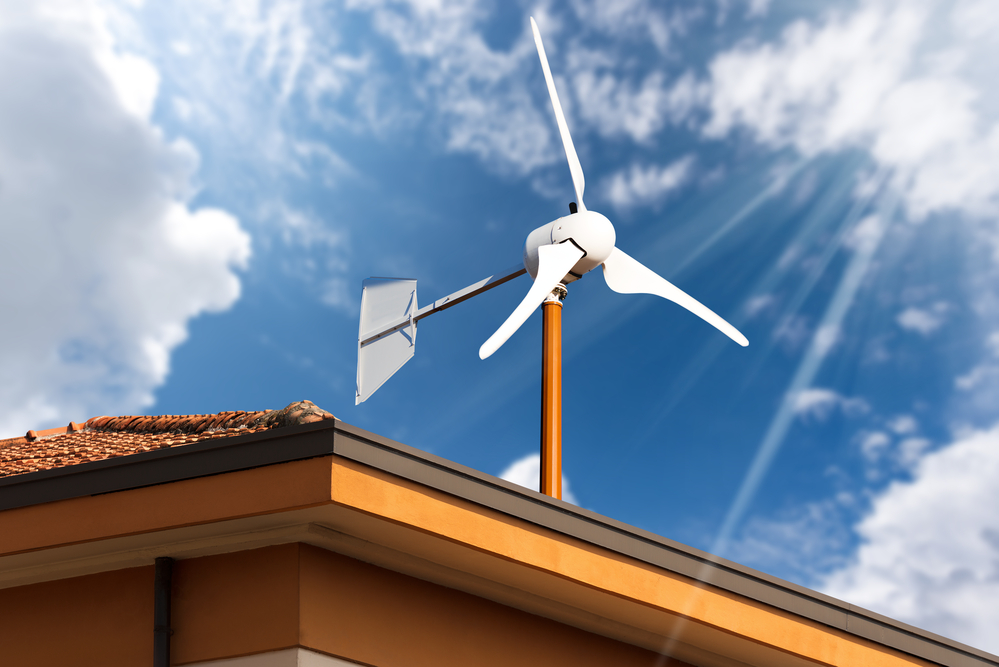
The Great Windmill Dream: Powering Your PJs with a Breeze?
Ah, the majestic windmill! It stands tall, its blades twirling gently in the breeze. Many of us picture it gracing a rolling green hill, perhaps beside a quaint cottage.
This image often sparks a delightful daydream: what if that very windmill could power my humble abode? Imagine, unplugging from the grid, living solely on nature's breath!
It sounds utterly charming, doesn't it? A truly independent, eco-friendly existence. But let's gently deflate that romantic bubble, just a tiny bit, with a playful poke.
Must Read
You see, when we talk about a windmill powering a house, we often conjure images of those giant, elegant turbines. The ones you see marching across vast wind farms, silently generating electricity for thousands.
Those behemoths are fantastic, truly marvels of engineering. They are designed to capture immense energy from the wind, feeding it into a massive electrical grid.
But when we think about powering our house, we're probably picturing something a tad smaller. Something that fits in the backyard without upsetting the neighbors or blocking the sun.
Tiny Turbines, Big Dreams, Bigger Bills?
So, can a smaller, backyard wind turbine actually power a typical house? My slightly "unpopular" take? It's often more of a lovely thought than a practical reality for full home energy.
Don't get me wrong, tiny turbines do generate electricity. They're not just decorative garden ornaments, thankfully. They absolutely spin and make power!
But here's the rub: our houses, bless their energy-guzzling hearts, demand quite a lot of juice. Think about your toaster, your TV, your trusty coffee maker, and especially your air conditioning or heating.
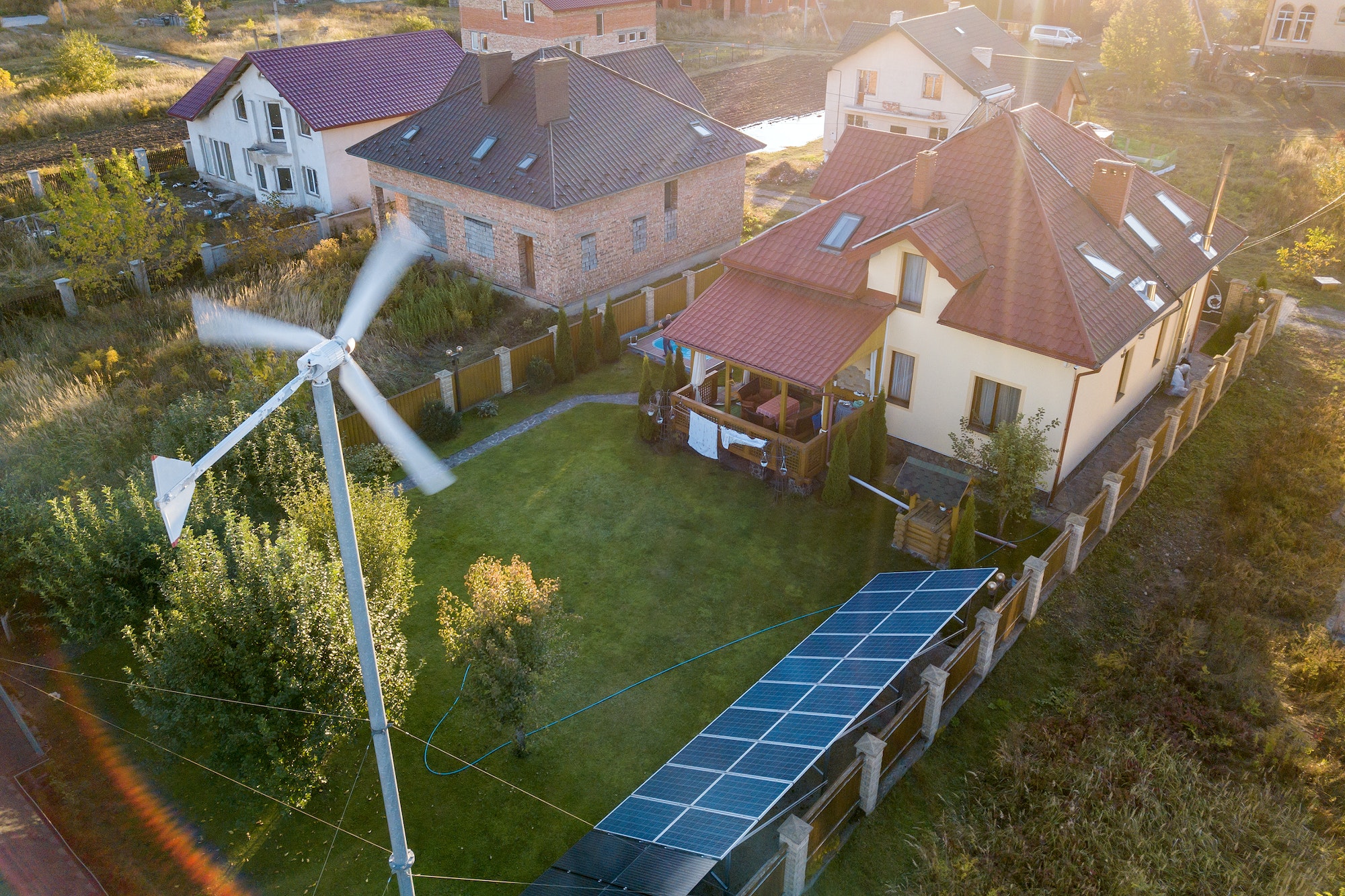
Consider the mighty hairdryer, a true power hog. It guzzles electricity like there's no tomorrow. A small residential turbine might struggle to keep up with just that one appliance, let alone the whole house!
It's a bit like trying to fill a bathtub with a teacup. You'll get water in there, eventually, but it's going to take an awful lot of teacups, and a very patient bath-taker.
"A small backyard turbine is less a power plant, and more a very enthusiastic phone charger."
The Whims of Wind: A Fickle Friend
Another big hurdle? The wind itself! It's a wonderful, free resource, but it's also incredibly inconsistent. Some days it's howling, other days it's just a gentle whisper, or worse, completely absent.
Your house, however, needs power 24/7. It doesn't care if the wind decided to take a holiday. Your fridge certainly won't wait for a breezy day to keep your milk cold.
This means you can't rely solely on the wind's generosity. You need a backup plan, a way to store all that lovely wind-generated electricity for those calm periods.
Enter the hero of the hour: batteries! Lots and lots of them. Think of them as giant piggy banks for electrons. When the wind blows, they fill up; when it's still, they slowly empty.
:max_bytes(150000):strip_icc()/wind-turbine-generator-on-house-roof-90967703-b9619befbf954726ae92dfb6154711f2.jpg)
And batteries, my friends, are not cheap. Not only are they an upfront investment, but they also have a lifespan and need to be replaced eventually. It's a significant cost added to your dream.
Plus, they need space, and sometimes specialized enclosures. It’s not just a case of plugging them into the wall like AA batteries.
Size Matters: More Than You'd Think
To truly power a whole house, you'd likely need a much larger turbine than you're imagining. We're talking something that might loom over your garage, not just perch discreetly on a pole.
A truly effective home wind turbine often requires a tall tower to catch the best, most consistent wind. The higher it is, the stronger and steadier the breeze.
This brings up practical concerns: local zoning laws, neighborly disputes over aesthetics (and potential noise!), and the sheer engineering challenge of installing such a structure safely.
Imagine explaining to the homeowner's association that your new "lawn ornament" is actually a 50-foot wind turbine. Good luck with that committee meeting!
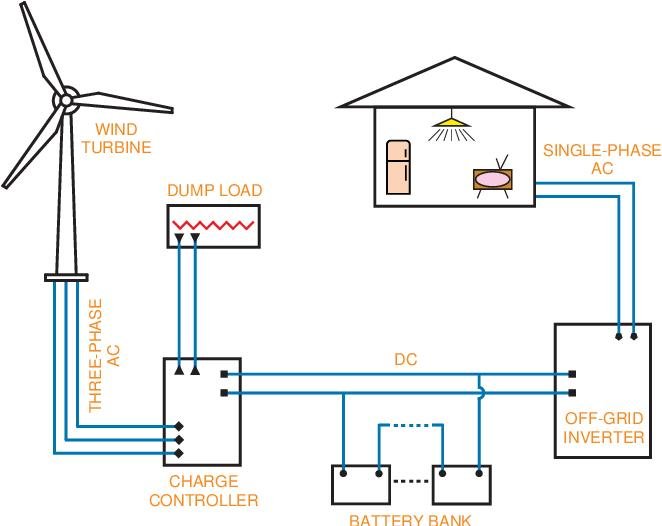
And let's not forget the initial investment. A robust residential wind system, complete with tower, turbine, inverter, and battery bank, can cost tens of thousands of dollars.
That's a hefty chunk of change, and for many, the payback period in electricity savings might be longer than they'd hope, especially if wind conditions aren't perfect.
The Grid: Our Often Unsung Hero
Most homes dreaming of wind power are still connected to the grid. And for good reason! The grid acts as a fantastic, silent, always-on backup system.
When your turbine isn't spinning, or your batteries are low, the grid is there, ready to seamlessly supply power. This "grid-tied" setup is often the most practical approach for residential wind.
Some systems even allow you to sell excess power back to the grid when your turbine is humming and your batteries are full. This is called net metering, and it can be quite beneficial.
But even with net metering, relying entirely on a small home turbine to meet all your energy needs 100% of the time is a tall order. It often acts as a supplementary power source, reducing your bills, rather than eliminating them.
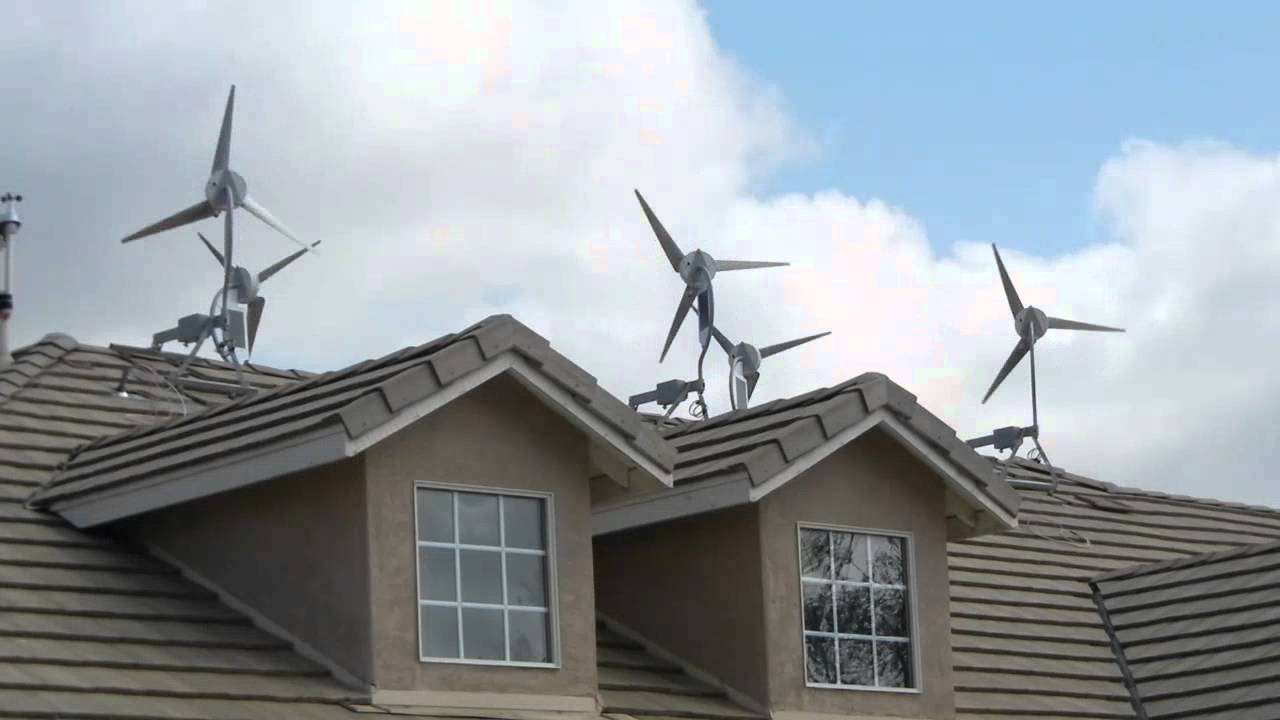
So, while the dream of complete off-grid wind living is beautiful, the reality for many homeowners is that a small turbine is more of a contributing partner than the sole provider.
"Think of your home turbine as a diligent, part-time employee, not the CEO of your energy empire."
So, What's the Real Deal?
Does this mean wind power for homes is a silly idea? Absolutely not! It's a fantastic step towards reducing our carbon footprint and embracing renewable energy.
But it's crucial to approach it with a dose of realistic expectations. A small, backyard turbine can definitely offset some of your electricity usage.
It can power a shed, charge an electric car (slowly), or contribute to your overall energy mix. It just might not keep your entire mega-mansion humming through a week-long calm.
For true energy independence, a combination approach is often best: solar panels for sunny days, a wind turbine for windy ones, and a robust battery storage system to smooth out the bumps.
It's a journey, not just an "install and forget" solution. It requires planning, investment, and a good understanding of your home's actual energy demands.
So next time you see that picturesque windmill, feel free to dream. But also, give a knowing nod to the complexities behind the scenes. It's still pretty cool, even if it's not quite a magic wand for your power bill!