Can A Wind Turbine Power A House
Alright, grab a coffee, pull up a chair. Let’s talk about wind turbines. Specifically, that big, beautiful, whirring question: Can one of those things actually power your entire house?
You’ve probably seen them. Majestic giants spinning lazily (or frantically, depending on the weather) on the horizon. They look so… efficient. So grand. It’s easy to imagine a single one perched proudly in your backyard, silently churning out all the electricity you could ever need, while you smugly sip kombucha and tell your neighbors about your carbon footprint, which is now roughly the size of a squirrel’s acorn collection. But is that the reality, or just a delightful green-energy fantasy?
The Dream vs. The Reality (Spoiler: It's Complicated)
The idea is super appealing, right? Ditch the utility company, become your own energy overlord. Just one wind turbine, humming away, making your toaster pop and your Netflix stream. It’s like having a personal energy butler, only it’s a giant metal fan. The truth, however, is a little less "magical butler" and a little more "fickle friend who sometimes brings you cake, sometimes forgets your birthday entirely."
Must Read
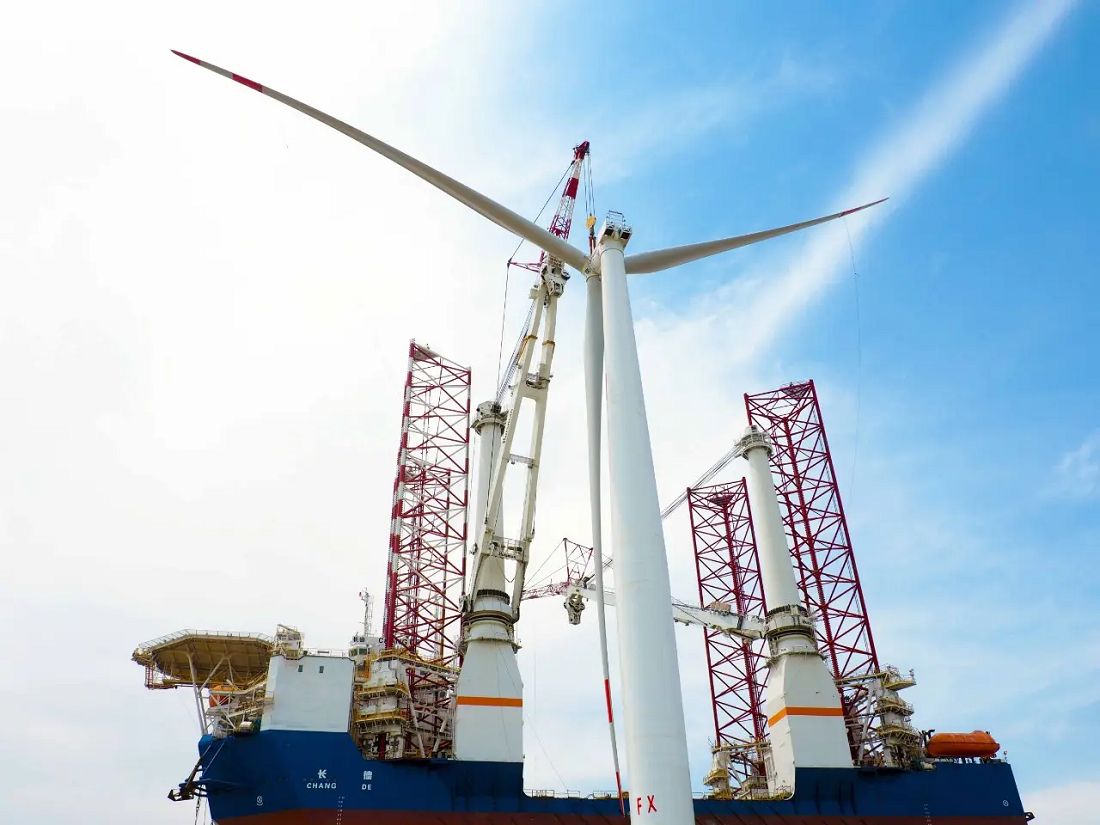
First off, we need to distinguish between the absolute behemoths you see on wind farms – those towering monsters that make airplanes look like toys – and the much smaller, more residential-friendly turbines. The big ones? Yeah, they can power a small town, no sweat. We’re talking about turbines that stand taller than the Statue of Liberty and have blades longer than a bowling alley. If you put one of those in your backyard, you’d probably get a stern letter from the HOA, then a visit from air traffic control. And possibly a new job as a local tourist attraction.
But we’re talking about your house. So, let’s focus on the smaller, more manageable residential turbines. These typically range from 1 kilowatt (kW) to 10 kW. To put that in perspective, a single hair dryer can gobble up around 1.5 kW. Your fridge? Maybe 0.1-0.2 kW when running. All your lights, TV, computer, dishwasher, washing machine, and that ever-present charger for your phone that seems to be glued to an outlet? That all adds up, my friend.
How Much Juice Does Your House Guzzle?
The average American household uses about 893 kilowatt-hours (kWh) of electricity per month. That's a lot of electrons! Or, to simplify, roughly 30 kWh per day. To generate that much power consistently from a single wind turbine requires a few key ingredients: a decent-sized turbine and, more importantly, a consistent, strong breeze. And I mean a breeze that doesn't just show up for five minutes, tease you, and then disappear.
Imagine your turbine as a moody teenager. Some days, it’s full of energy, blasting music and getting all its chores done. Other days? It’s slumped on the couch, barely twitching. Wind turbines are like that. Their output is directly proportional to the cube of the wind speed. That's a fancy way of saying if the wind speed doubles, the power output goes up by EIGHT times. But if the wind drops by half, your power drops by a factor of eight! So, a gentle flutter might look nice, but it's not going to make your coffee maker sing.
The Wind's Fickle Personality (And What About Storage?)
This brings us to the biggest hurdle: intermittency. Wind isn't always blowing. Sometimes it's a gentle whisper, sometimes it's a roaring gale, and sometimes it's just… still. What happens on those still days? Your house goes dark. Your frozen pizza becomes a room-temperature culinary disappointment. You're left staring at your once-proud turbine, now a motionless monument to optimism, wondering if you should have invested in more candles.
This is where batteries come into play. If you're going completely off-grid with wind power, you absolutely need a hefty bank of batteries to store the excess energy generated on windy days for use on calm days. Think of them as your energy savings account. The turbine deposits when it's windy, and your house withdraws when it's not. These battery systems can be expensive, adding significantly to the overall cost of your personal wind power plant. And just like any savings account, you need to make sure you're depositing enough to cover your withdrawals!
So, Can It Be Done? The Verdict.
Okay, drumroll please… Yes, a wind turbine CAN power a house, but with some serious caveats and a healthy dose of reality. For an average house to be fully powered by a single wind turbine, especially off-grid, you'd likely need a larger residential model (say, 5-10 kW), a location with consistently good wind speeds (think open plains, coastal areas, or hilltops, not a sheltered suburban cul-de-sac), and a significant battery storage system.

In many cases, a single turbine might not be enough on its own. It's often paired with other renewable sources, like solar panels, for a hybrid system. That way, when the wind isn't blowing, the sun might be shining, and vice-versa. It's like having two unreliable friends who, between them, manage to get things done most of the time.
The most common and practical approach for residential wind power is to use a turbine to supplement your grid connection. This is called a "grid-tied" system. When your turbine is producing more power than you need, the excess can be fed back into the grid, potentially earning you credits. When the wind isn't blowing, you simply draw power from the grid like normal. It’s the smart, less stressful way to get involved in personal wind energy without living like you’re starring in a reality show called "Life Off the Grid (But Mostly Just Off)."
So, next time you see a turbine, give it a nod. It’s a marvel of engineering trying its best. Can it power your house? Maybe. Can it power it easily, cheaply, and without any thought? Probably not. But with the right setup, a good location, and a dash of planning, your personal gust-powered dream might just come true. Just don't forget the batteries, and maybe a backup generator for those really, really calm days.