Can A Spare Tire Fit Any Car

Ah, the humble spare tire! It’s one of those automotive curiosities that sparks a common, hopeful thought in many of us: wouldn't it be wonderfully convenient if one magical spare could just fit any car? Imagine the simplicity! No more worrying about specific sizes or bolt patterns, just a universal "oh-darn" solution for every flat. It’s a lovely thought, akin to a universal remote for all life’s little hiccups. But much like that elusive universal remote that sometimes just won’t turn on the DVD player, the reality of the spare tire is a little more nuanced, and understanding it brings its own unique kind of empowerment.
While the dream of a one-size-fits-all spare remains just that, understanding the truth about spare tires offers some seriously practical benefits. For the casual driver, it’s about gaining incredible peace of mind. Knowing what to expect if you get a flat, and understanding the limitations of your own spare, can turn a potentially stressful roadside emergency into a manageable pit stop. It’s a boost to your self-reliance, transforming you from someone hoping for roadside assistance to someone confidently equipped with knowledge. Plus, it can genuinely enhance your safety on the road, ensuring you’re not driving on an unsuitable temporary fix for longer than advised.
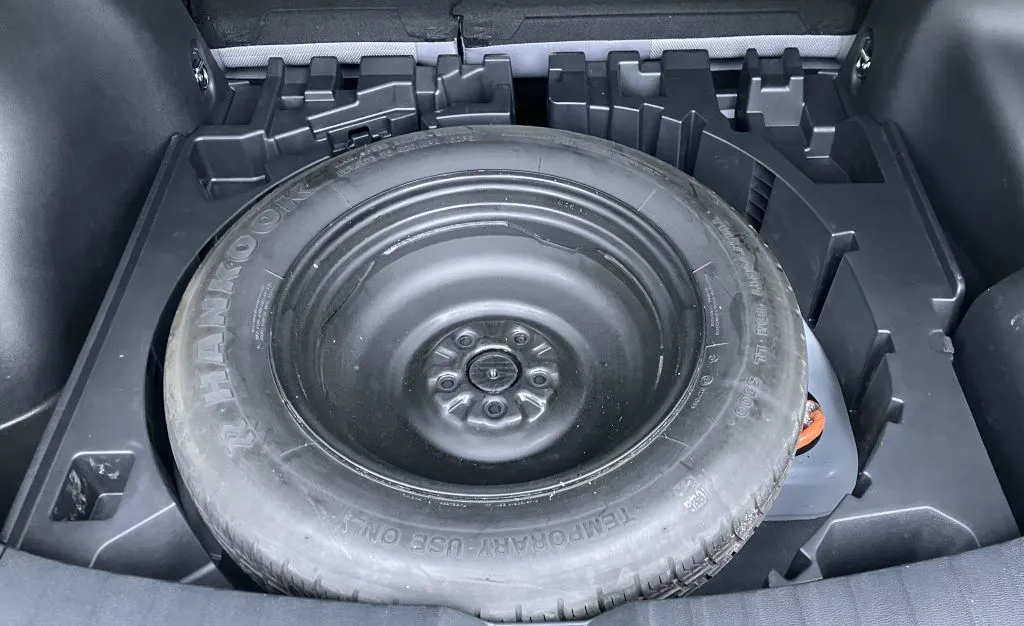
So, let's burst that universal bubble gently. The short answer to "Can a spare tire fit any car?" is a resounding no. Car wheels vary wildly in diameter, width, and crucially, their "bolt pattern" – the specific arrangement and number of lugs that attach the wheel to the car’s hub. Trying to force an incompatible spare onto a car isn't just difficult; it's dangerous. There are, however, a few types of spares you might encounter. The gold standard is a full-size matching spare, identical to your other four tires, though these are increasingly rare due to weight and space considerations. More common is the temporary use spare, affectionately known as a "donut" or "space-saver." These are lighter, smaller, and designed to get you to the nearest repair shop, often with strict limits on speed (typically 50 mph) and distance. Some modern cars forgo a spare entirely, opting instead for a tire repair kit or coming equipped with run-flat tires, which can be driven for a limited distance after a puncture.
Must Read
Ready to empower yourself at home? Here are a few "DIY" tips. First, locate your spare tire! Is it in the trunk, under the car, or perhaps nowhere at all? Next, check its condition and, most importantly, its air pressure. A flat spare is no help at all. Consult your car's owner's manual – it will detail your specific spare type and its limitations. Familiarize yourself with your car's primary tire size (you can find it on the tire's sidewall or a sticker inside the driver's door jamb) and see how it compares to your spare. Knowing this information beforehand is like having a secret weapon against future inconveniences.
And why is all this knowledge enjoyable? Because there’s immense satisfaction in being prepared. That feeling of competence, of knowing you've got a handle on something that could otherwise be a major headache, is incredibly rewarding. It's not about being a mechanic; it's about being an informed driver. So, while a universal spare tire remains a whimsical dream, the reality of understanding your own vehicle’s preparedness is a practical, powerful, and truly enjoyable journey.