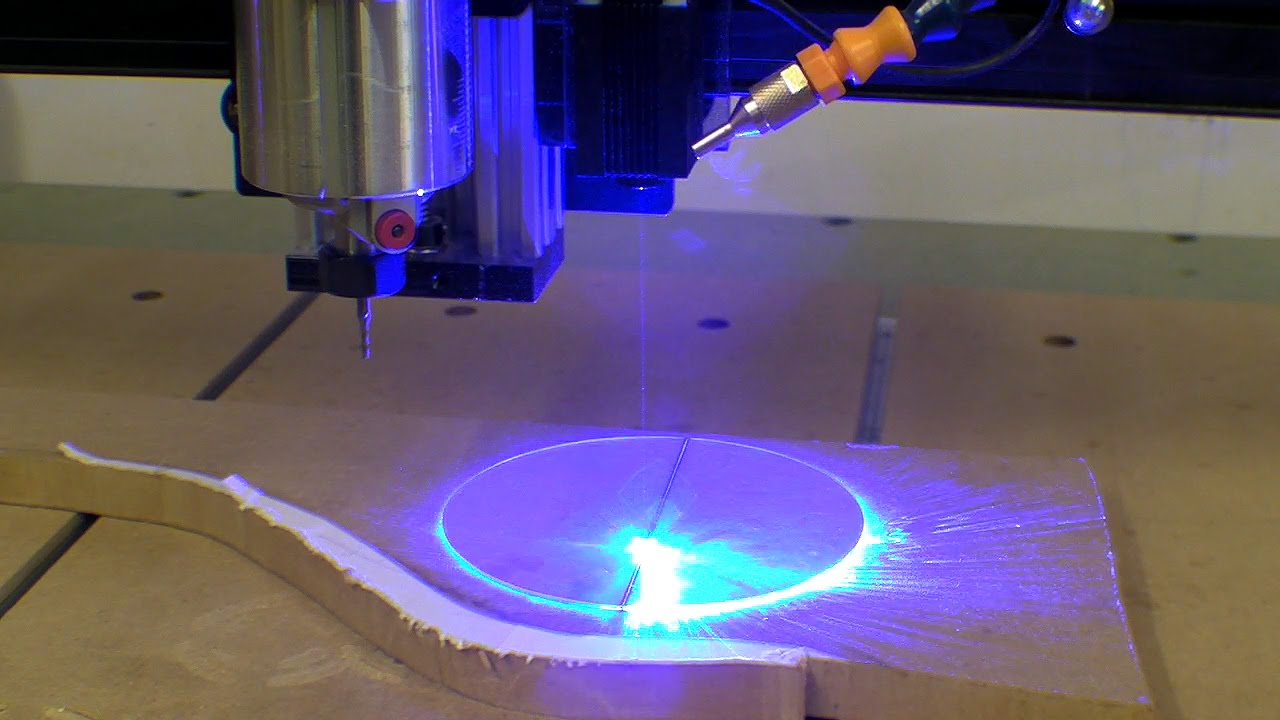
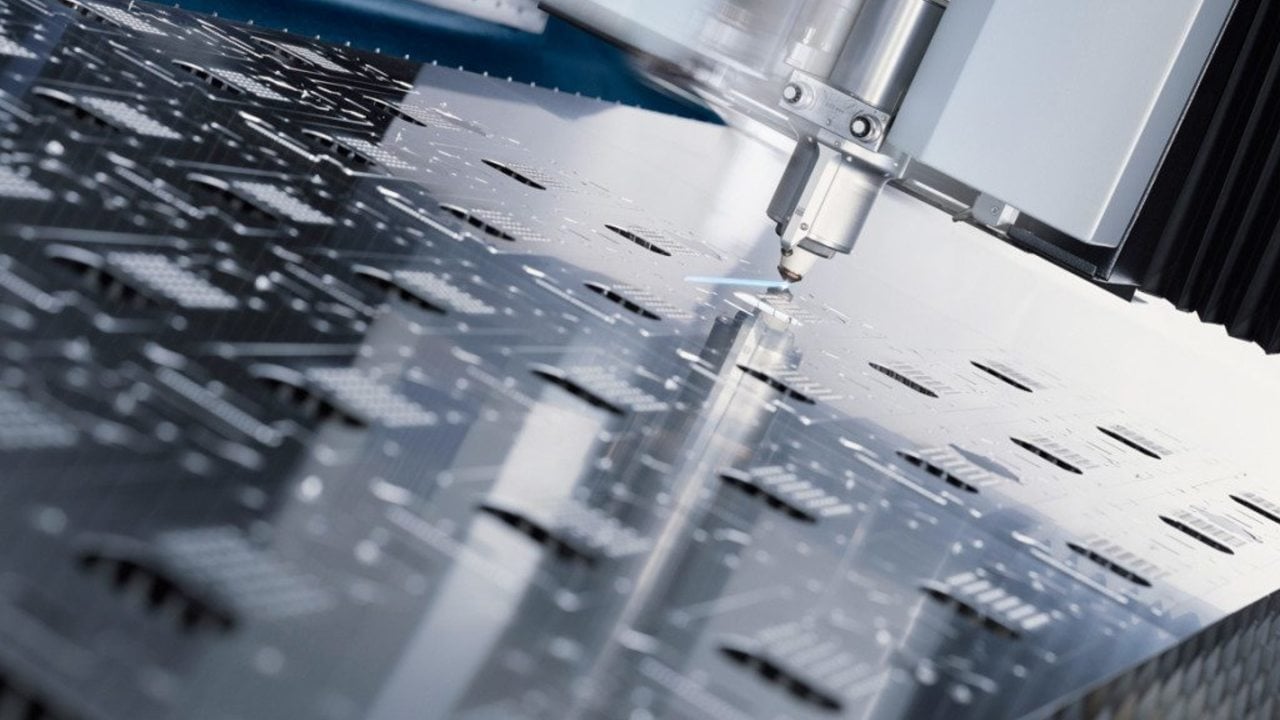
Can A Laser Cutter Cut Glass
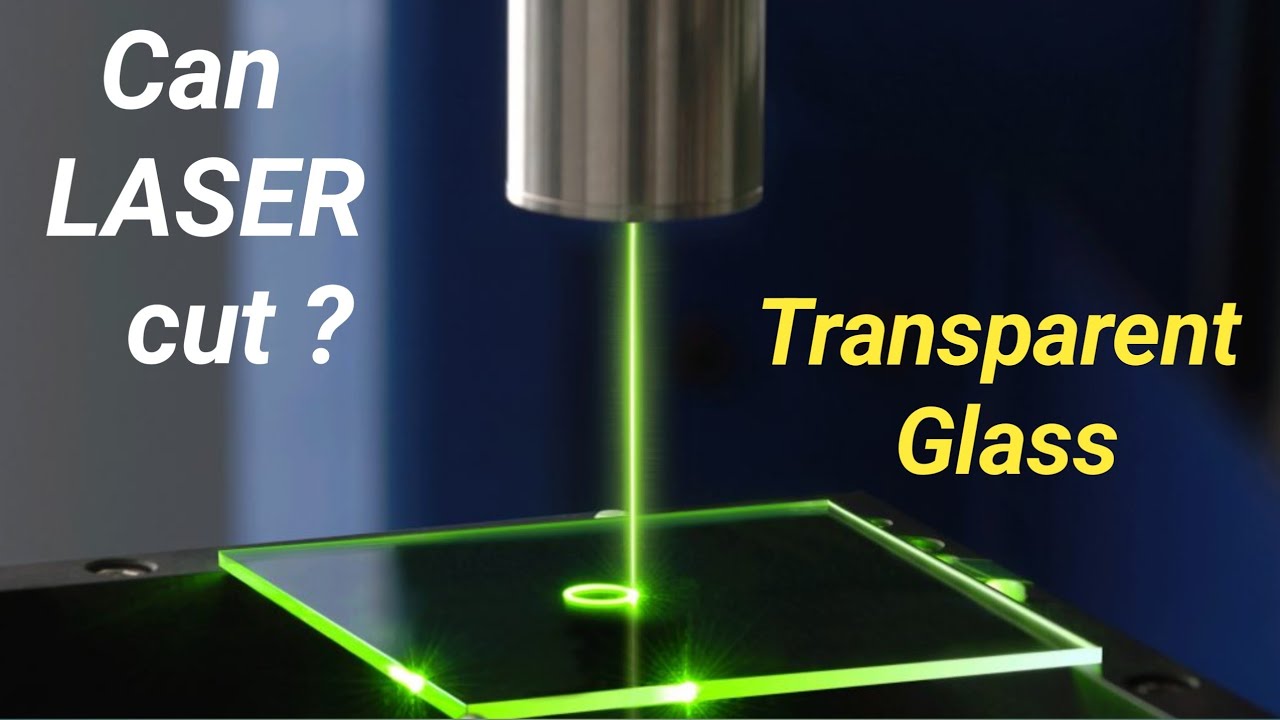
Ever watched a video of a laser cutter zapping through wood or acrylic like butter and wondered, "Could it do that to glass?" It's a fascinating question, right? Laser cutters feel like something out of a sci-fi movie, transforming materials with a beam of light. Glass, on the other hand, is everywhere – from our windows to our wine glasses – and it holds a certain elegance. The idea of combining these two often sparks curiosity and opens up a world of creative possibilities for custom gifts, unique home decor, or even just exploring the boundaries of modern technology. It’s a popular topic because many hobbyists and DIY enthusiasts dream of personalizing everyday objects.
So, let's get straight to it: Can a laser cutter cut glass? The short answer is, for the typical CO2 laser cutter that hobbyists and small businesses use, no, not really in the way you might imagine. It won't slice through a pane of glass cleanly like it does through wood. Glass is a tricky material because of its unique properties. Instead of melting and vaporizing away like some plastics, glass tends to fracture when exposed to the intense heat of a laser in a concentrated spot. This means you’d get cracks and chips, not a smooth cut. However, that's not the end of the story, and this distinction is incredibly useful for different audiences.
For beginners and hobbyists, understanding this limitation saves time, material, and potential frustration. It teaches you about material science and the specific capabilities of your tools. Instead of trying to cut, you learn to leverage what the laser can do. For families looking to personalize items, knowing that laser cutters excel at engraving glass means you can still create beautiful custom pieces without needing specialized cutting equipment. It’s about unlocking the true potential of the machine for gorgeous decorative effects. And for anyone curious, it’s a cool piece of knowledge that demystifies a powerful tool.
Must Read
While cutting glass cleanly isn't typically possible with a common CO2 laser, what these machines can do is absolutely incredible: they can engrave it! This is where the magic truly happens. A laser can etch the surface of glass, creating a beautiful frosted effect. Imagine personalizing a wine glass with a monogram, adding a custom design to a mirror, or creating unique glass awards and plaques. You can engrave intricate patterns on picture frames, glass coasters, or even elegant bottles. The laser essentially creates micro-fractures on the surface, resulting in a lovely matte, opaque finish against the clear glass. This allows for stunning detail and personalization, turning ordinary glass items into cherished keepsakes or professional-looking products.
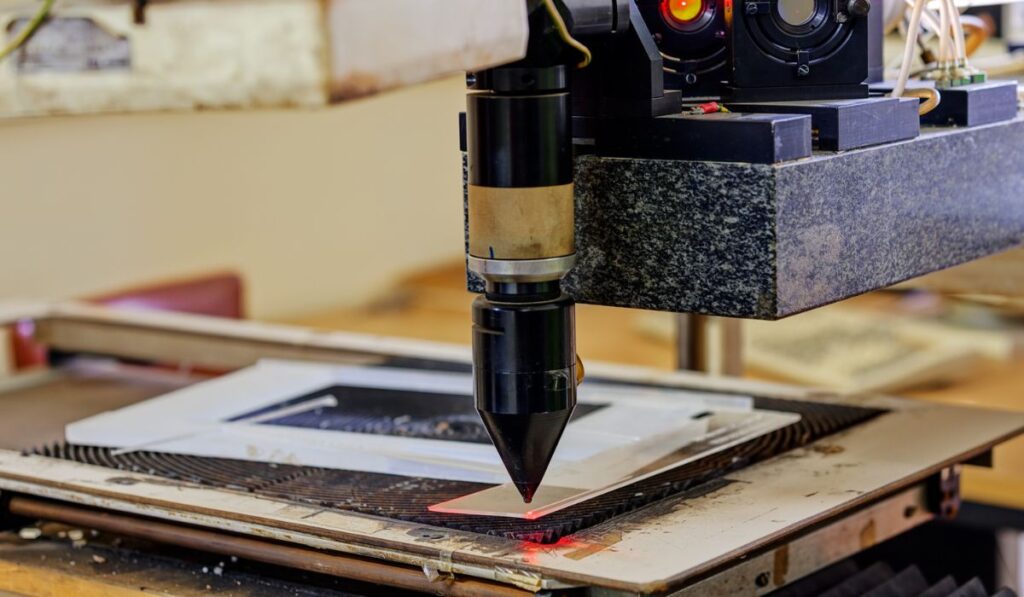
Ready to try your hand at glass engraving? Here are some simple, practical tips for getting started. First, ensure you have a CO2 laser cutter, as these are best suited for glass engraving. Start with flat glass items like picture frame glass or small mirrors – they’re easier to work with evenly. A neat trick is to apply a thin layer of newspaper or masking tape to the surface of the glass where you intend to engrave. This can help dissipate heat and often results in a crisper, more opaque etch. Experimentation is key: start with lower power settings and higher speeds for delicate frosting, adjusting as needed. Always make sure your glass is clean before you begin, and as with any laser work, prioritize safety with proper ventilation and protective eyewear.
So, while the dream of a laser beam neatly slicing through glass might remain in the realm of advanced industrial machines or science fiction for now, the reality of what a hobbyist laser cutter can do with glass is equally exciting. Embracing the art of glass engraving opens up a whole new world of creative expression. It's incredibly rewarding to transform a simple piece of glass into a personalized work of art, and it truly highlights the versatility and value of understanding your tools. Happy creating!