
Can A Hurricane Form Over Land

Ever gazed at the raw power of a hurricane, perhaps in a dramatic video or news report, and just felt completely awestruck?
These colossal weather systems are truly some of Earth's most magnificent and formidable performers. They command attention with their swirling clouds and incredible winds.
There's something deeply captivating about their sheer scale and the energy they unleash.
Must Read
The Great Ocean Ballet
Think of a hurricane as a grand dancer, always starting its performance in a very specific arena. This arena is the vast, warm expanse of the ocean.
It’s here, over shimmering blue waters, that these atmospheric giants truly come to life. They gather their strength and begin their unforgettable journey.
The ocean is like their training ground, their buffet, and their launching pad all rolled into one.
We often picture hurricanes as ocean-dwelling beasts, gathering momentum far from shore. They swirl and grow, becoming more powerful with every passing mile of warm water.
It's a thrilling image, isn't it? A colossal storm system, born from the simple interaction of heat and moisture above the sea.
This image of an ocean genesis is practically etched into our minds when we think of these storms.
A Curious "What If" Question
But what if we flipped the script for a moment? What if we dared to ask a truly intriguing question?
Could a hurricane, this epic oceanic spectacle, ever decide to make its grand entrance
It’s a question that sparks a fascinating thought experiment, challenging our very understanding of these storms.
Imagine a powerful spiral of wind and rain spontaneously bursting forth from, say, the middle of a vast continent. Picture it forming over mountains or deserts!
It sounds like something straight out of a blockbuster movie, a true plot twist in nature's grand narrative. This "what if" scenario is just so entertaining to ponder.
It makes you curious about the secret recipe these storms follow.
The Hurricane's Secret Sauce
So, let's dive into what makes a hurricane tick. What are the absolute must-have ingredients for one of these magnificent storms to form?
It all boils down to a few key elements, much like a chef needs specific ingredients for a gourmet meal.
And these ingredients are not just any ingredients; they are extremely particular.
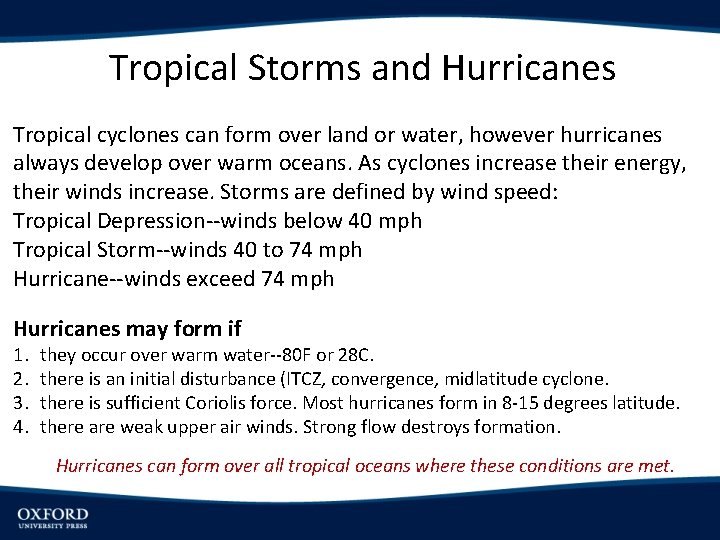
First and foremost, a hurricane craves warm ocean water. We're talking really warm, like a giant bathtub, usually around 80 degrees Fahrenheit (26.5 degrees Celsius) or even warmer.
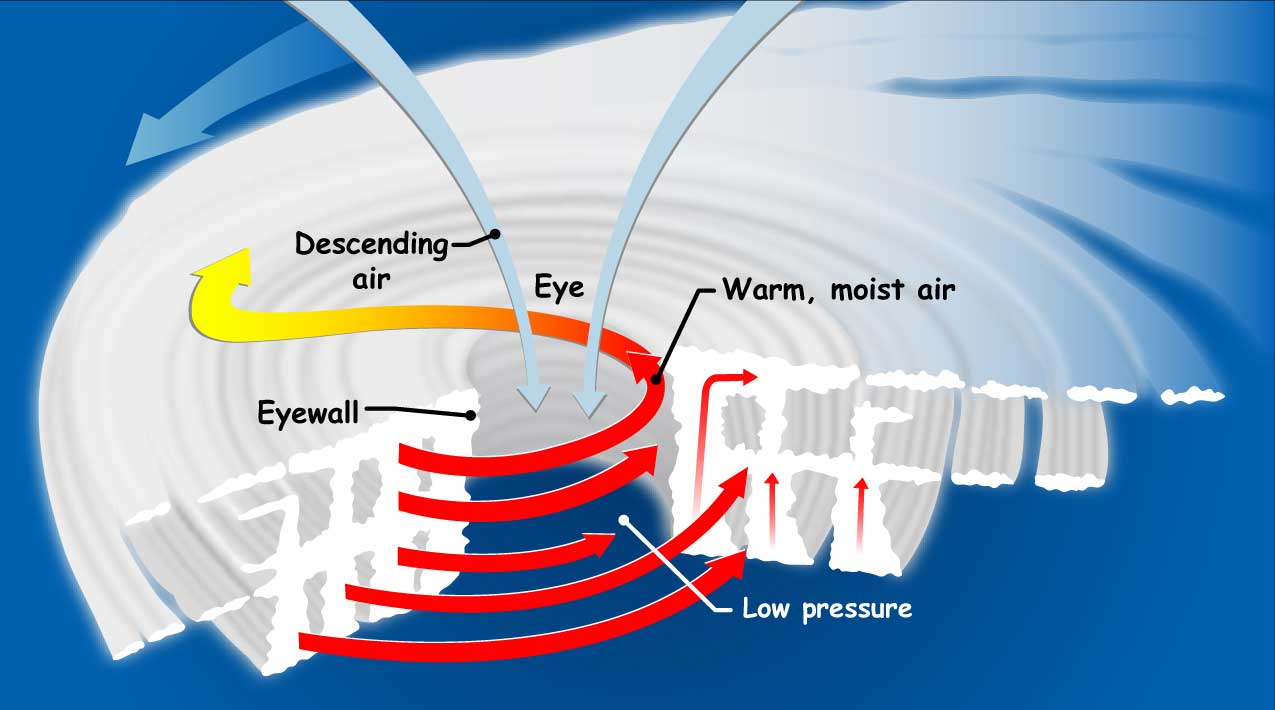
This warm water is like rocket fuel for the storm. It provides the immense amount of heat and moisture needed to power its engine.
Without this heat, the engine simply can't start.

Next up, you need a lot of humid air. This moist air rises, cools, and forms the towering storm clouds that are the backbone of a hurricane.
Think of it as the storm constantly taking deep breaths of humid air, then exhaling massive clouds and rain.
This constant cycle is what builds the storm's structure.
Then there's the little kick-start, often a pre-existing weather disturbance, like a tropical wave. This is like the spark plug that ignites the whole process.
And finally, a crucial ingredient is low wind shear. This means the winds at different altitudes aren't blowing too strongly in different directions.
Too much wind shear would tear the budding storm apart before it even has a chance to organize into that beautiful, powerful spiral.
Land: The Hurricane's Kryptonite (for Formation)
Now, let's bring our "over land" question back into the spotlight. How does land fit into this delicate recipe?
Simply put, land lacks all the essential ingredients for a hurricane's birth. It's like trying to bake a cake without flour or eggs.
Land just doesn't offer the continuous supply of warm, moist air that these storms desperately need to even begin forming.
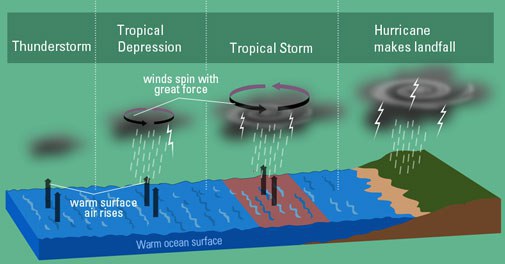
When a hurricane does move over land, what happens? It's like taking a fish out of water. The storm immediately starts to weaken.
The land cuts off its fuel supply – that constant intake of warm, moist air from the ocean. It loses its connection to its lifeblood.
Friction from the land also helps slow down the storm's powerful winds, causing it to quickly lose its organized structure.
So, while land certainly feels the incredible force of a hurricane that has already formed, it's definitely not where these storms come to life.
The lack of vast, warm water sources over land makes it impossible for the hurricane's engine to get going.
It's a critical difference, making the ocean an exclusive nursery for these weather marvels.
Nature's Amazing Rules
This understanding doesn't diminish the wonder of hurricanes; in fact, it makes them even more special.
It highlights the incredible precision and specific conditions required for such powerful natural phenomena to exist.
Nature has its own set of rules, and hurricanes follow them to the letter.
The idea of a hurricane forming over land is a fun, imaginative scenario, a thrilling "what if" that makes us appreciate the real science even more.
It makes us ponder the delicate balance of our planet's systems, and how specific environments foster specific types of weather.
It’s like understanding why a particular plant only grows in a certain soil – it’s fascinating!
So, the next time you see footage of a majestic hurricane, remember its watery origins. Think of the warm ocean that gave it life.
It's a testament to the powerful, often hidden, processes happening constantly across our globe.
And it's a great reminder that some things truly are ocean-born, adding a layer of mystery and excitement to their story.
The thought of a hurricane forming far from the coast is a wonderfully wild idea, but it's the very specific conditions of the open ocean that make these storms possible, and that's truly special.
This curiosity about where and how such powerful storms begin inspires us to look closer at our planet's magnificent weather patterns.
It invites us to appreciate the subtle yet profound differences between land and sea, and their roles in shaping our world.
Maybe it even makes you want to learn more about the amazing science behind these incredible storms!