
Can A Generator Run A Welder

Hey there, DIY dynamo! Ever found yourself staring at a cool welding project, maybe out in the sticks or deep in your garage where the outlets are just... sad? And then you look longingly at your trusty generator, a little spark of hope igniting in your eyes. The big question looms: “Can my generator actually run a welder?”
Good news, friend! The short answer is a resounding YES! But, and you knew there’d be a “but,” right? It’s not as simple as plugging in a toaster. Running a welder off a generator is totally doable, but it requires a bit of know-how to avoid blowing fuses, tripping breakers, or worse, leaving your generator gasping for air like it just ran a marathon after eating a whole pizza.
The Hungry Beast: Understanding Your Welder
Think of your welder like a teenager after school – it's hungry for power. Welders don't just sip electricity; they chug it. We're talking serious amps and watts here. That's why your standard household outlet usually isn't enough for anything beyond the smallest, hobby-grade units.
Must Read
To figure out what your welder needs, you'll want to check its input power requirements. This is usually listed on a sticker on the machine itself or in the manual. You'll see things like Voltage (V), Amperage (A), and sometimes KVA (kilovolt-amperes) or kW (kilowatts). Focus on the maximum input amperage or wattage for those big power surges.
Generator Guts: What to Look For
Now for the generator side of the equation. This is where the magic (or the misery) happens. Here are the key things to consider:
1. Size Matters (A Lot!)
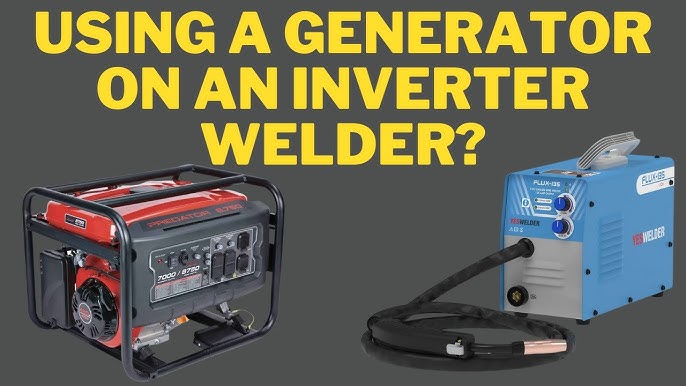
This is probably the single most important factor. Your generator needs to be powerful enough to handle your welder's thirst. You can't run a commercial stick welder off a tiny camping generator, no matter how much you wish you could! You need to match the generator's running watts and its starting watts to your welder's needs. Welders, especially stick welders, have a huge momentary surge of power when you strike an arc. This is where the generator's surge capacity comes in.
A good rule of thumb? Aim for a generator that provides 20-30% more power than your welder demands. If your welder needs 6000 watts, shoot for an 8000-watt generator. Better to have a little extra grunt than be constantly underpowering your welder and stressing your generator!
2. Clean Power (or "Dirty" Power)
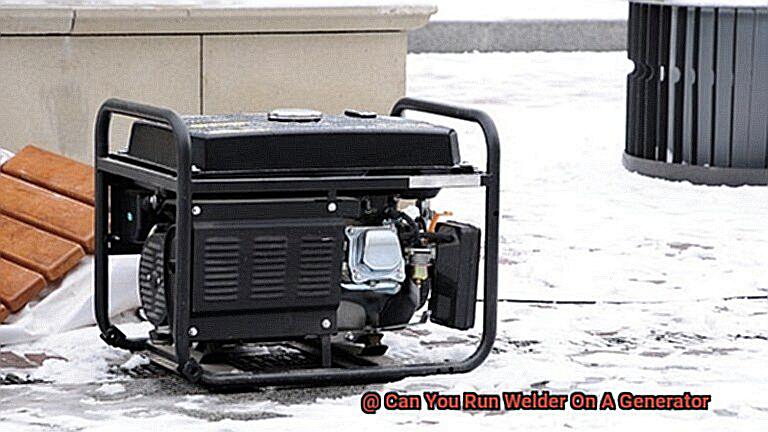
Modern inverter welders are fantastic – lightweight, efficient, and they often need clean, stable power. This is where inverter generators shine. They produce electricity with a very low Total Harmonic Distortion (THD), which basically means super smooth and consistent power, much like what you get from the grid. Perfect for sensitive electronics!
Older, transformer-based welders might be a bit more forgiving of "dirty" power, but for anything newer or more sensitive, an inverter generator is your best friend. Plus, they're often quieter and more fuel-efficient, which is a win-win!
3. Output Receptacles
Does your generator have the right plugs for your welder? Many larger welders use a 240V plug (often a NEMA 6-50R or similar). Make sure your generator has the correct receptacle, or you'll be needing an adapter, which, let's be honest, is another potential point of failure.
Tips for a Smooth Welding Session
- Read the Manuals: Yes, really! Both your welder and generator manuals will have crucial information on power requirements and safe operation.
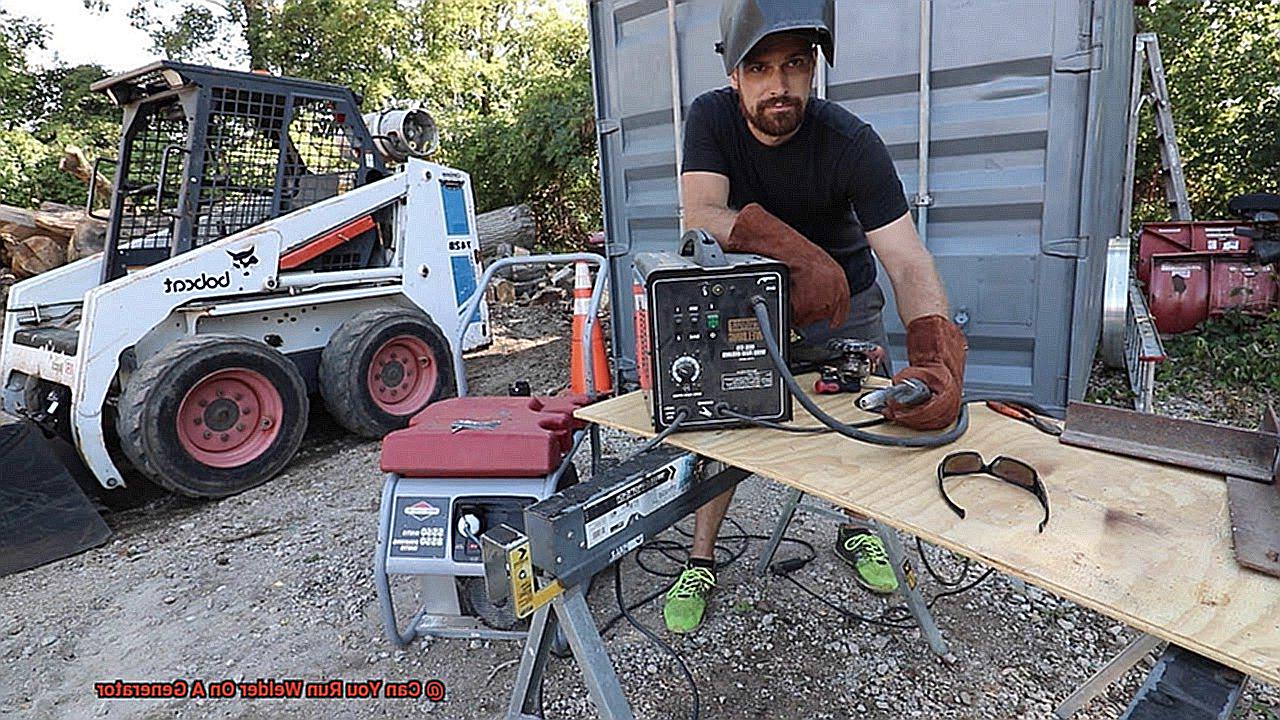
- Don't Skimp on Cords: Use heavy-duty, properly rated extension cords. Too thin a cord is like trying to drink a milkshake through a coffee stirrer – it restricts flow and can cause voltage drop and heat buildup. Keep them as short as possible!
- Ventilation is Key: Generators produce exhaust fumes (carbon monoxide, scary stuff!) and heat. Always operate your generator in a well-ventilated area, far away from your welding zone and any open windows or doors.
- Grounding: Ensure both your welder and generator are properly grounded. Safety first, always!
- Test It Out: Before you dive into a critical project, do a few test welds. See how the generator handles the load, listen for any straining, and adjust your welding settings if needed.
The Joy of Portable Power!
So, can a generator run a welder? Absolutely! With a little planning and the right equipment, you can take your welding projects anywhere the wind blows (or at least anywhere you can haul your gear!). Imagine welding up that custom gate out in the backyard, fixing a fence post way out in the field, or bringing your metal artistry to a remote cabin. The possibilities are endless!
It's all about matching the brawn of your generator to the hunger of your welder. Get that right, and you’re not just welding; you’re unleashing a whole new level of creative freedom and practical problem-solving. Go forth, spark up those electrodes, and build something awesome. You got this, future welding wizard!
