Can A Generator Be In The Rain
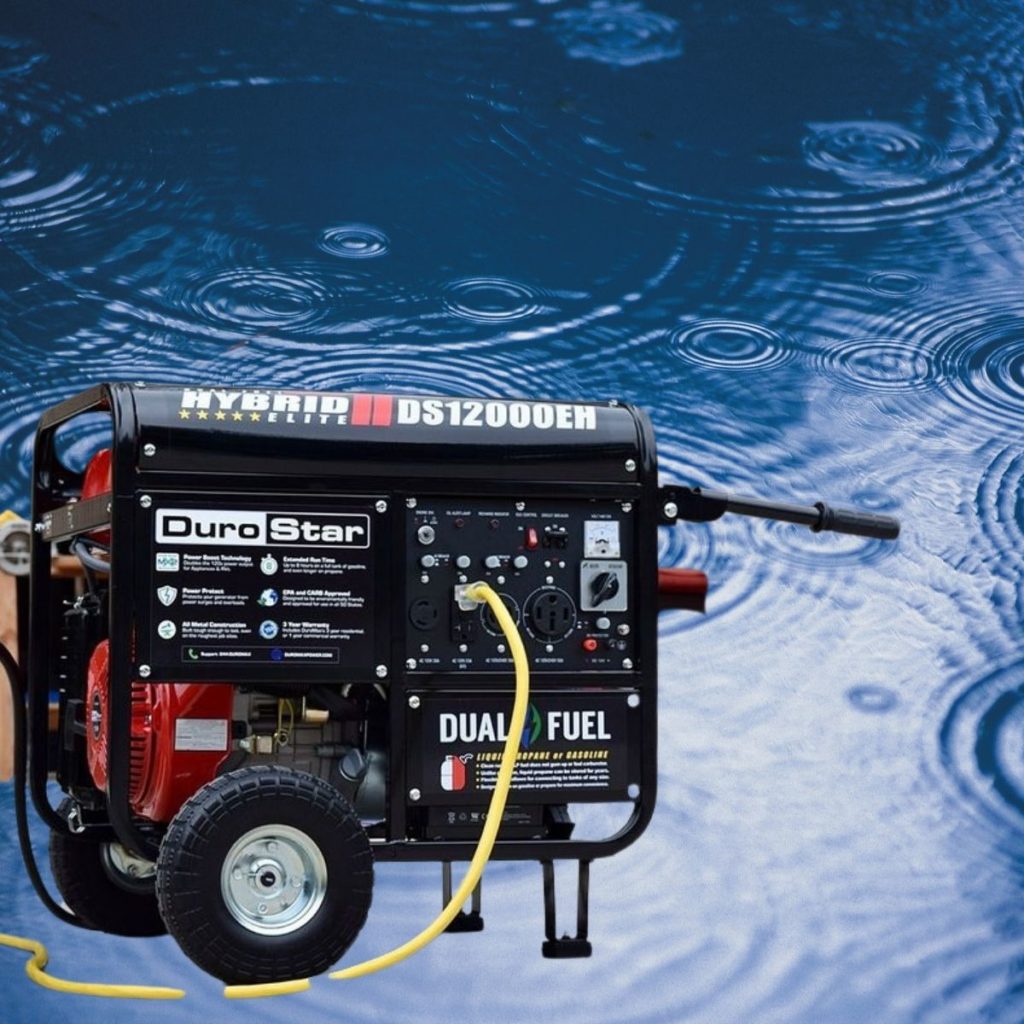
Ah, the humble generator! It's the unsung hero of many a creative endeavor, a vital lifeline for hobbyists, and a beacon of hope when the power grid decides to take an unexpected nap. From powering outdoor art installations to keeping the lights on in a home studio, these machines truly enable us to keep our sparks flying. But a question often looms when the skies open up and a drizzle turns into a downpour: Can a generator be in the rain? It’s a common dilemma, and one that, happily, has a clear and empowering answer.
For the dedicated artist, the diligent DIYer, or even just the casual learner looking to keep their gadgets charged during an outage, understanding generator safety in wet weather isn't just a technicality; it's about uninterrupted passion. Knowing how to properly protect your power source means you can continue painting that masterpiece, finishing that woodworking project, or simply enjoying your favorite podcast, come what may. The benefit isn't just keeping your electricity flowing; it's about maintaining your peace of mind and ensuring your safety.
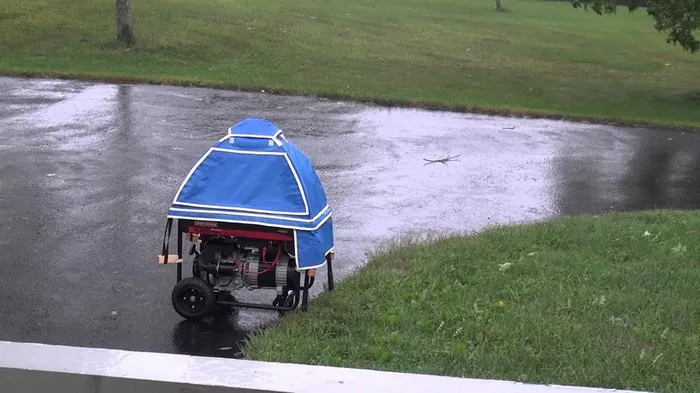
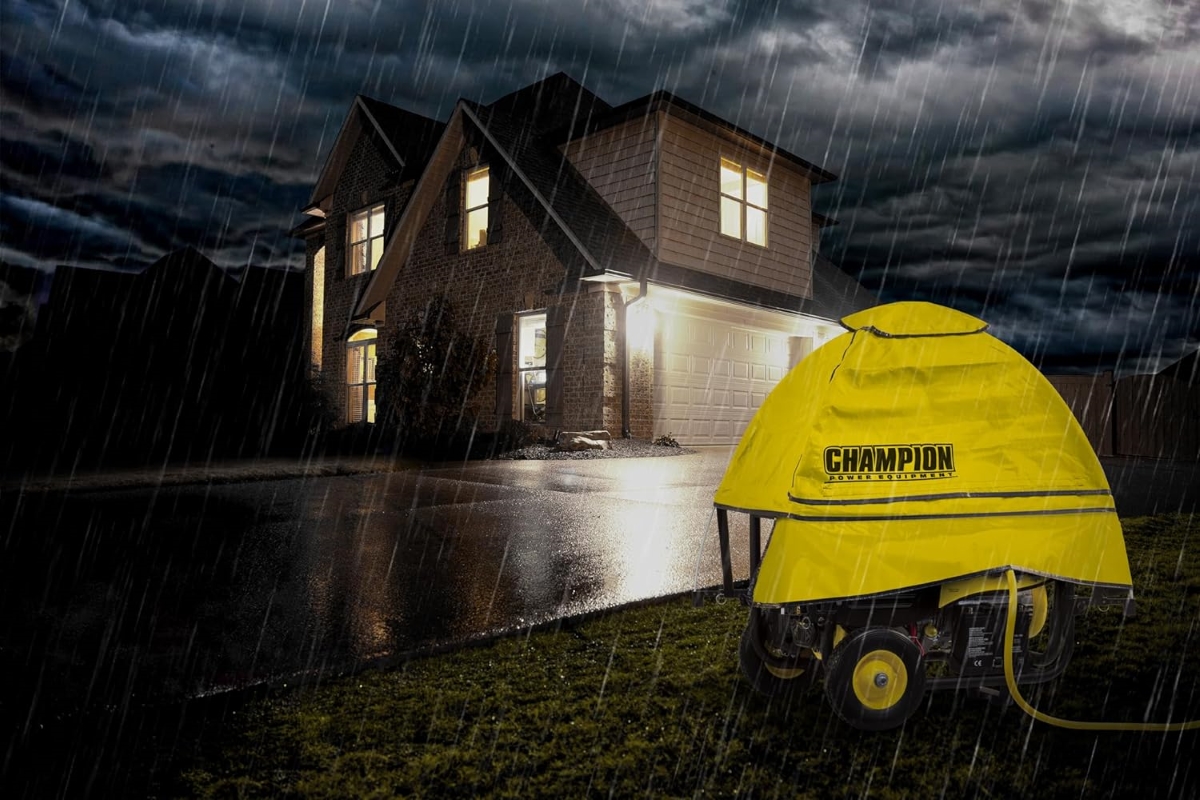
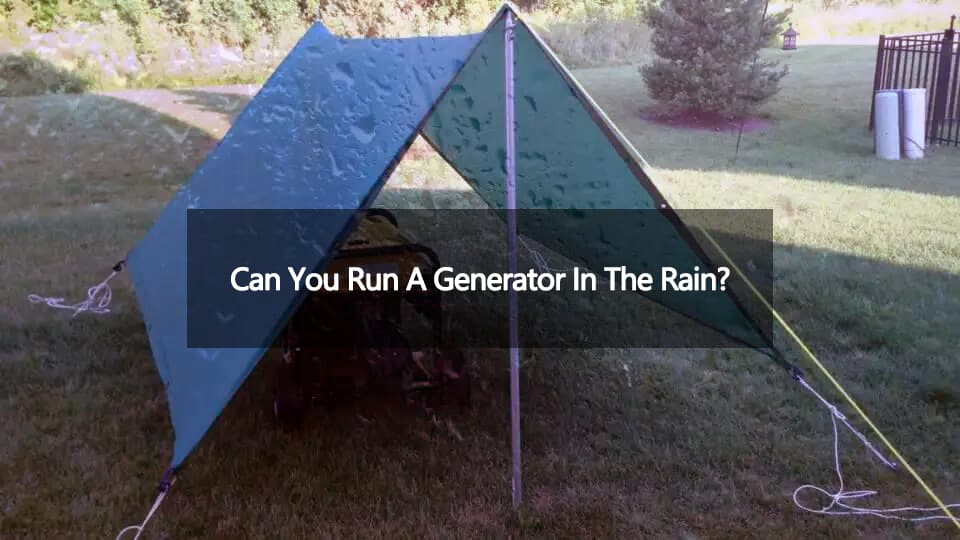
Think of an outdoor craft fair where a generator powers delicate lighting for your handmade jewelry display, or a backyard workshop where you're putting the finishing touches on a custom piece. The rain might be coming down, but your creative flow doesn't have to stop if your power source is properly sheltered. This means using robust, open-sided generator tents, specialized weatherproof covers designed for operation in wet weather, or even a well-ventilated, dedicated shed – never fully enclosed due to exhaust safety. The key is to keep the generator itself dry while allowing dangerous carbon monoxide fumes to escape freely.
Must Read
So, how do you keep your generator happy and your projects humming when the heavens open? The golden rule is clear: never operate a generator directly in the rain or on wet ground. This isn't just about protecting your investment; it's about electrical safety, plain and simple. Always ensure it's placed on a dry, stable, level surface, ideally under a canopy, a portable generator cover designed specifically for use in wet weather, or inside a three-sided enclosure that allows for plenty of airflow. Make sure all electrical connections are dry and protected from moisture, and use heavy-duty extension cords rated for outdoor use, kept out of puddles. Always remember that standing water and electricity are a deadly combination, so keep a safe distance and always operate from a dry spot.
Ultimately, mastering the art of safe generator use, especially concerning unpredictable weather, isn't just about avoiding a mishap. It's about empowering yourself with knowledge, fostering a sense of preparedness, and enjoying the unbroken continuity of your creative process or daily life. There’s a certain quiet satisfaction in knowing you’re ready for whatever Mother Nature throws your way, allowing you to keep generating not just electricity, but also joy, productivity, and those brilliant sparks of inspiration!