Can A Carbon Monoxide Detector Detect A Gas Leak

Okay, let's get something straight right off the bat. Imagine your carbon monoxide (CO) detector as a highly specialized superhero, like, say, 'Captain CO-Spotter!' Captain CO-Spotter has one, and only one, super-power: sniffing out the silent, odorless, and deadly menace that is carbon monoxide. He's REALLY good at it. So good, he'll probably save your life one day. But, and this is a big but, asking Captain CO-Spotter to detect a gas leak is like asking him to bake you a cake. He's just not equipped for it!
The Case of the Confused Detector
Think of it this way: Carbon monoxide and natural gas (or propane, which is commonly used in gas appliances too) are two totally different bad guys. CO is the sneaky ninja, silently creeping into your home from malfunctioning furnaces, blocked chimneys, or even running a car in the garage. Natural gas, on the other hand, while odorless in its pure form, usually has a "rotten egg" smell added to it so you know something's up. It's more like the clumsy oaf who announces his presence by tripping over everything in sight (or in this case, smelling absolutely awful).
Captain CO-Spotter's nemesis is only carbon monoxide. He doesn't even notice the clumsy oaf next door. He’s got his laser focus on the silent killer. He doesn't care if your stove is leaking enough gas to fuel a small rocket (please, check your stove!). He's hyper-focused on CO. And that’s a good thing! Because when CO is around, you want a specialist on the job, not a generalist.
Must Read
So, What Does Detect a Gas Leak?
Now that we've established Captain CO-Spotter’s limitations, let's talk about who can handle the gas leak situation. This is where the 'Olfactory Avenger' comes in – your nose! Yes, your very own sniffer is often the first line of defense. That rotten egg smell? That's mercaptan, an additive deliberately put into natural gas so you can detect leaks. It's not the most pleasant aroma, but it could save your house (and possibly your eyebrows!).

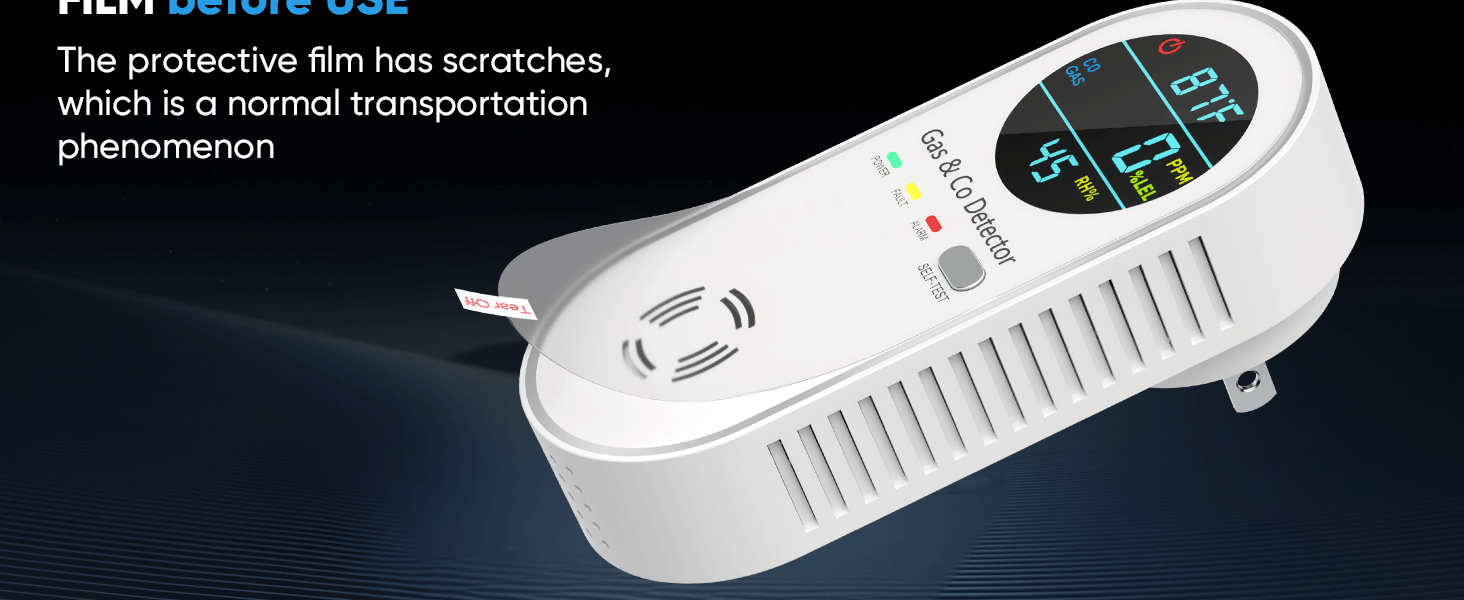
However, relying solely on your nose is like trying to win a marathon in flip-flops – doable in theory, but not recommended. For serious protection, consider a dedicated natural gas detector. These devices, often plugged into an outlet near the floor (since natural gas is lighter than air and tends to rise), are specifically designed to sense the presence of natural gas. Think of them as a back-up superhero, ready to swoop in if your nose is having an off day (stuffy nose from a cold, perhaps? Or maybe you've just been baking some particularly pungent limburger cheese?).
"Investing in a natural gas detector is like buying insurance. You hope you never need it, but you'll be incredibly glad you have it if the worst happens."
The Bottom Line (and Why This Matters)
Here's the takeaway: a carbon monoxide detector will not detect a gas leak. Confusing the two could have disastrous consequences. Imagine you smell gas, but your CO detector is silent. If you assume everything is fine because Captain CO-Spotter is chilling in his headquarters, you're playing a very dangerous game. You need to investigate the gas smell immediately! Leave the house, call the gas company, and don't light a match or use any electrical devices. It’s not worth the risk!

Think of your home safety as a team of superheroes. Captain CO-Spotter protects against carbon monoxide, your nose (with the help of mercaptan) provides initial gas leak detection, and a natural gas detector acts as backup for your nose. Each has a specific role, and together, they keep your home safe and sound. Don’t rely on one to do the job of another.
So, sleep soundly knowing that you understand the difference. Your home, and everyone in it, will be safer for it. Now, go forth and spread the word! And maybe check your smoke detector batteries while you're at it. Because every superhero team needs a smoke detector, too!